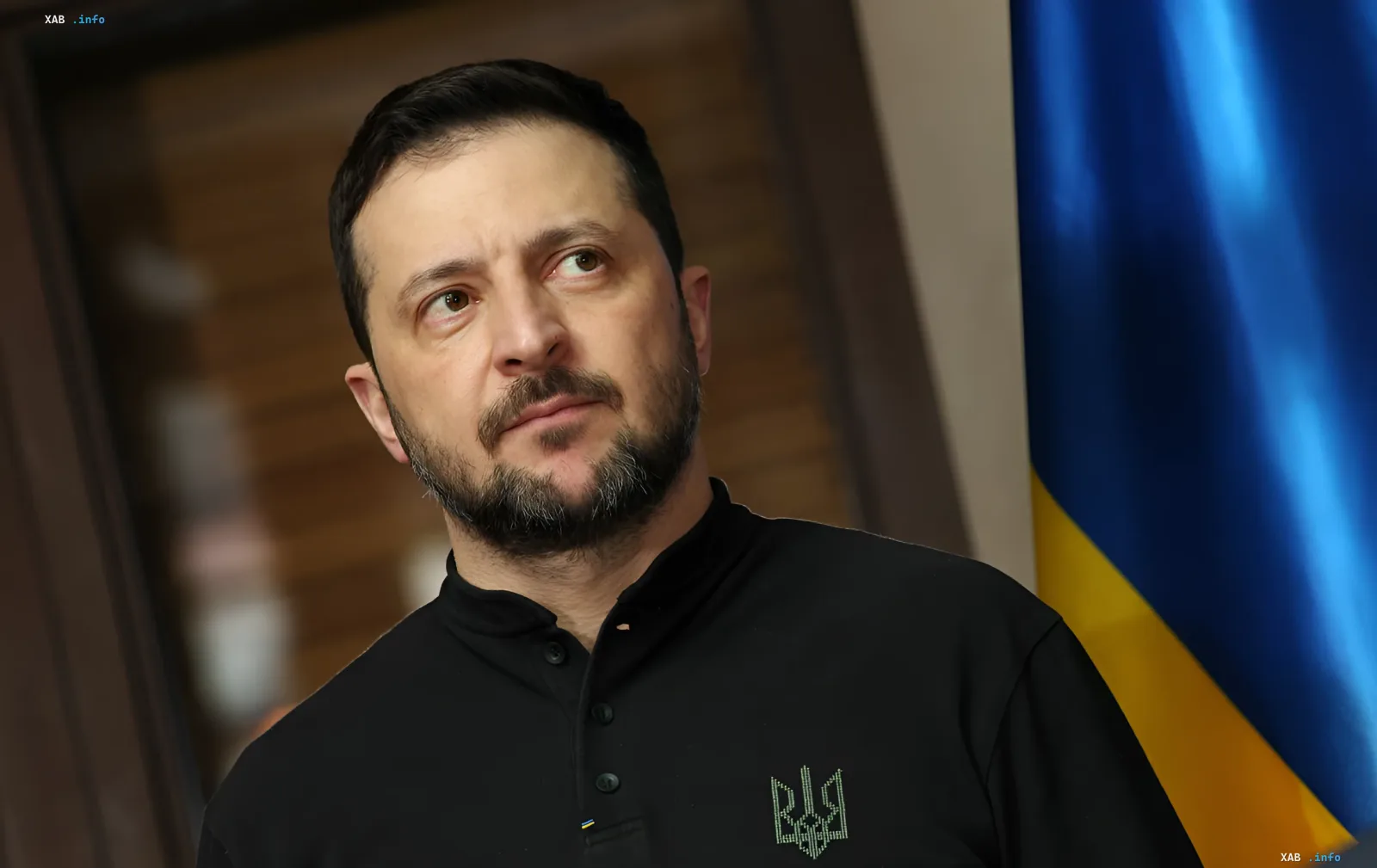
The leaders of France, the United Kingdom, and Germany are set to meet with Ukrainian President Volodymyr Zelensky in the coming days. This was announced by French President Emmanuel Macron, confirming the intensification of diplomatic efforts by Western partners.
Urgent meeting in London
According to Bloomberg, the negotiations could take place as early as Sunday evening on British territory. Although the Ukrainian leader's schedule has not been finalized, the very fact of preparing for the meeting indicates a shift in diplomatic direction. The leaders of the "troika" are preparing to discuss ways to end the war, taking on the role of mediators.
Why has the initiative passed to Europe?
The intensification of contacts occurred against the backdrop of several key factors. First, Volodymyr Zelensky sent an open letter to Vladimir Putin proposing to resume the negotiation process. Second, successful Ukrainian drone operations against targets inside Russia created the prerequisites for pushing Moscow towards dialogue.
However, the main driver was a shift in priorities in Washington. The attention of US President Donald Trump has shifted to events surrounding Iran and the situation in the Strait of Hormuz. Czech Prime Minister Andrej Babiš stated directly in an interview with Bloomberg News: "In the EU, someone must take the initiative, and Mr. Trump does not have time for this".
Disagreements within the European Union
Despite the readiness of the leaders of the "big three" for negotiations, there is no unified position within the European Union. The Baltic countries are calling on partners to act with caution, fearing premature concessions. Particularly sharp debates were sparked by the idea of appointing a special EU representative for contacts with Vladimir Putin.
The initiative of support from some states has met with harsh criticism. The head of European diplomacy, Kaja Kallas, called such a scheme a "trap" that Russia wants to lure the West into. According to her, Moscow is already dictating terms, choosing who it is convenient to talk to and who it is not.
Moscow's reaction
Against the backdrop of European initiatives, the Kremlin is maintaining restraint. Russian Presidential Press Secretary Dmitry Peskov reported that a visit by special representatives of the US President, Steve Witkoff and Jared Kushner, to Moscow is not planned in the near future. Corresponding trips are not currently listed in the Russian leader's schedule.


