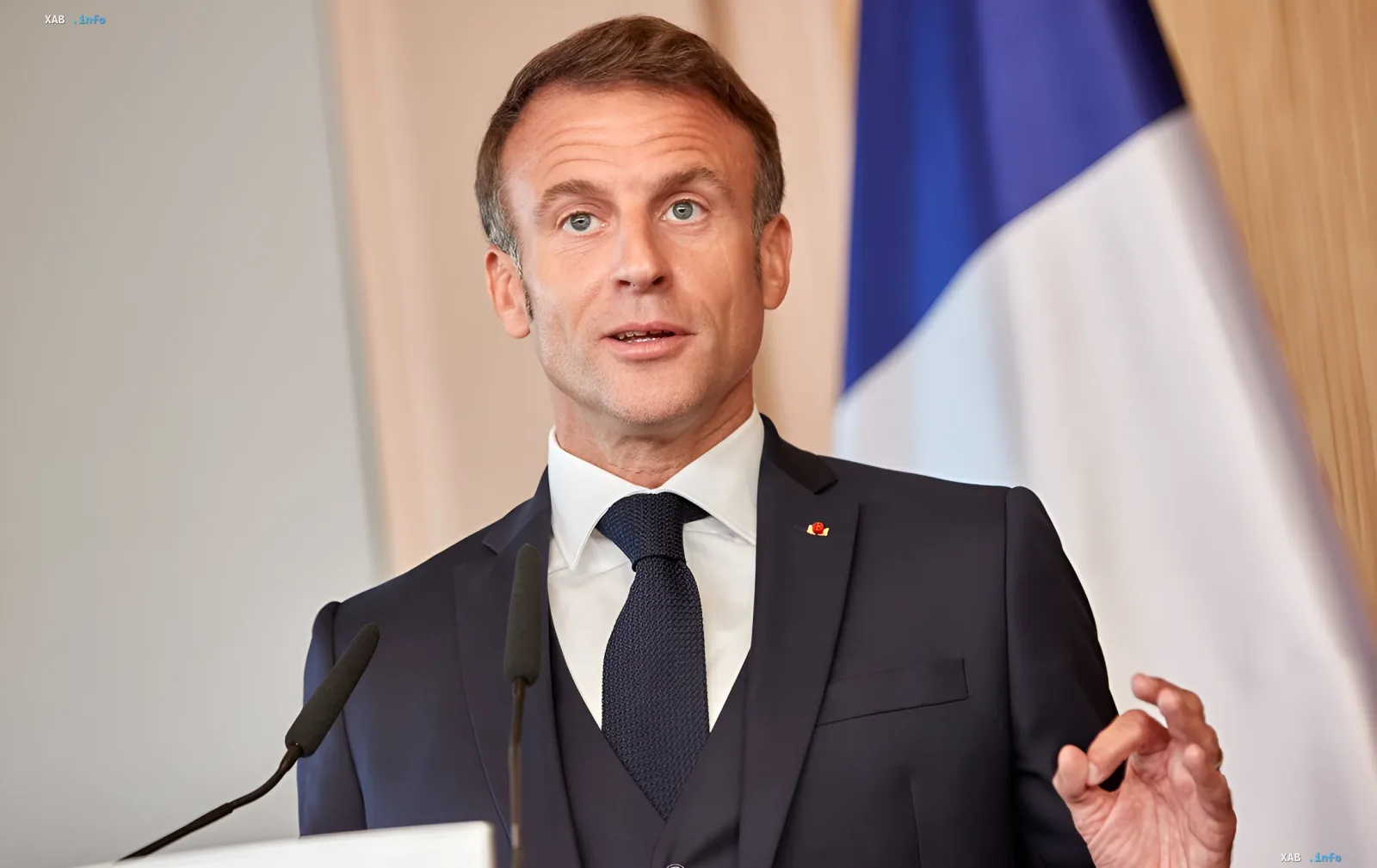
French President Emmanuel Macron expressed strong support for the initiative of Ukrainian leader Volodymyr Zelensky, who sent an open letter to the Russian leadership. The French head of state considers this step correct and necessary for resuming direct dialogue between Kyiv and Moscow.
Direct Dialogue as the Key to Peace
Macron voiced his comments on the sidelines of the "EU-Western Balkans" summit taking place in Montenegro. According to him, it is precisely direct communication between the parties to the conflict that can lead to real results. The French leader emphasized that the current situation requires joint efforts from Ukraine and Russia to develop both a ceasefire regime and a long-term peace plan.
"I think this is a good initiative and it is good that discussions can resume. I will be frank with you. I believe that it is Ukraine and Russia today that can build both a ceasefire and a peace plan," Macron stated.
Europe's Role in Settlement
At the same time, Paris insists that European countries should not remain on the sidelines of the process. Macron reminded that EU states are the largest donors of Ukraine's military efforts, and therefore their presence at the negotiating table is a mandatory condition for the success of the peace plan. In the opinion of the French president, the security of the entire region directly depends on Europe's participation in the final stage of settlement.
Kyiv's Proposals and Moscow's Reaction
Recall that on June 4, Volodymyr Zelensky published an open appeal in which he proposed to end the war through direct bilateral negotiations. The key condition for the Ukrainian side was the declaration of a complete ceasefire during the leaders' meeting.
Kyiv also put forward specific proposals for the logistics of the negotiations: the meeting must take place on neutral territory — in Switzerland, Turkey, or one of the Arab countries. Holding the summit in Kyiv or Moscow is categorically ruled out.
In addition to the format of the meeting, the Ukrainian side initiated a large-scale exchange of prisoners of war on the principle of "all for all" and called for immediate steps to return deported children and civilians.
That same evening, the Kremlin reacted to the initiative. Press Secretary of the Russian President Dmitry Peskov confirmed that Moscow had reviewed the text of the appeal, but noted that the official position of the Russian Federation would be announced later.


