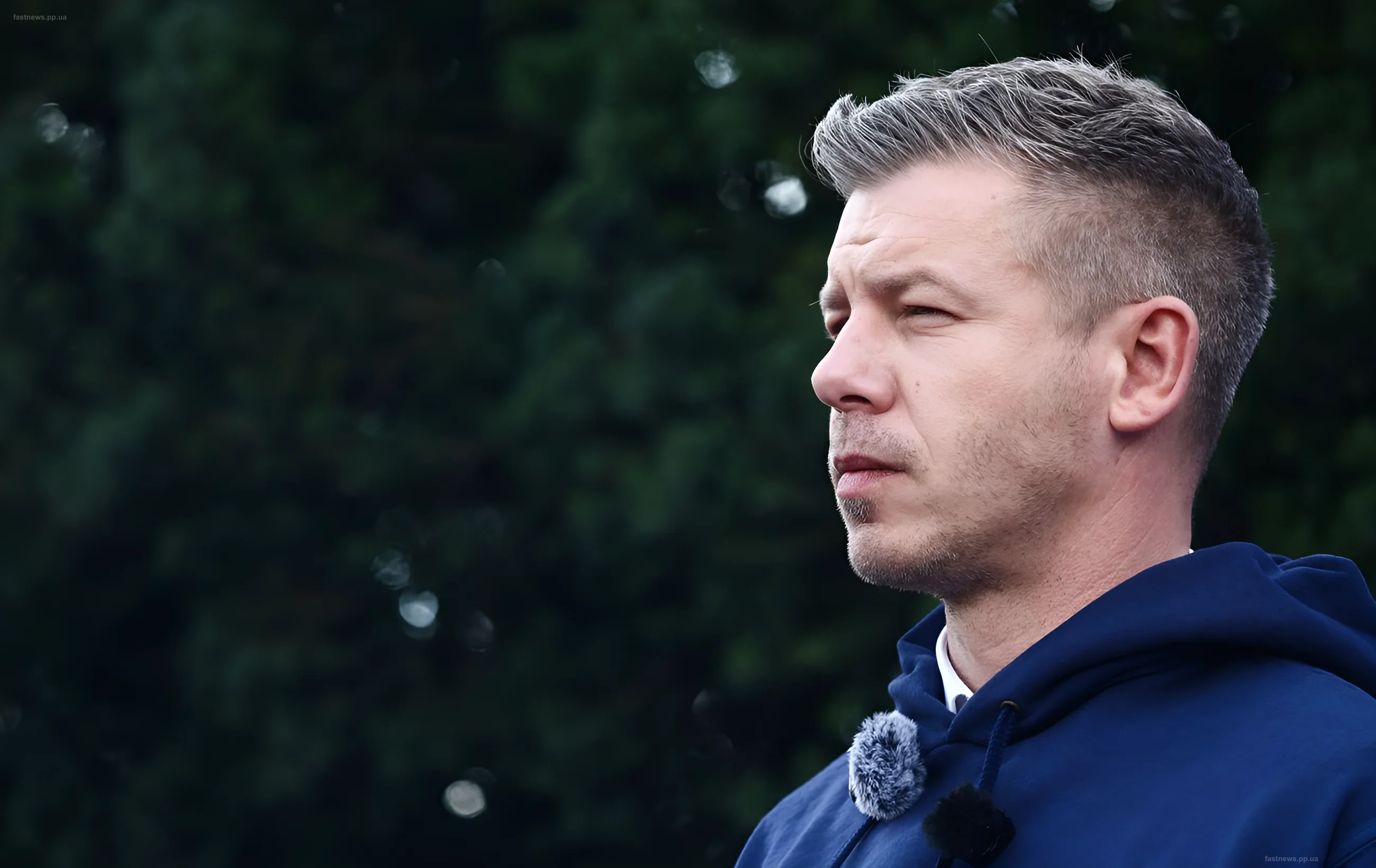
The victory of the Tisza party and Peter Madjar's rise to power in Hungary promised an immediate breakthrough in relations with the European Union. However, reality proved more complex: Brussels is not rushing to unblock billions of euros frozen due to Viktor Orbán's rule.
On Friday, May 16, the new Prime Minister will meet with European Commission President Ursula von der Leyen. It is expected that the parties will discuss the conditions for the return of funds, but EU officials have already warned: reforms are not a one-day matter.
"You cannot demand the reform of a country overnight," an anonymous source at the European Commission told POLITICO. According to him, while an agreement may be reached on some points, key issues will remain open.
Three Main Obstacles for Hungary
Brussels puts forward three main requirements before unblocking funding:
- The European Court of Justice ruling on the previous allocation of €10 billion to Hungary in 2023 — it is expected in the coming weeks.
- The ability of the new government to carry out reforms without the risk of a constitutional crisis.
- The lesson of Poland: even after a change of power, key reforms there stalled, and money was released only partially.
Thus, despite Madjar's optimism, the path to restoring EU trust will be long and difficult. Brussels is ready for dialogue, but not for concessions without guarantees.


