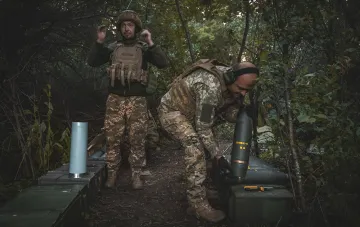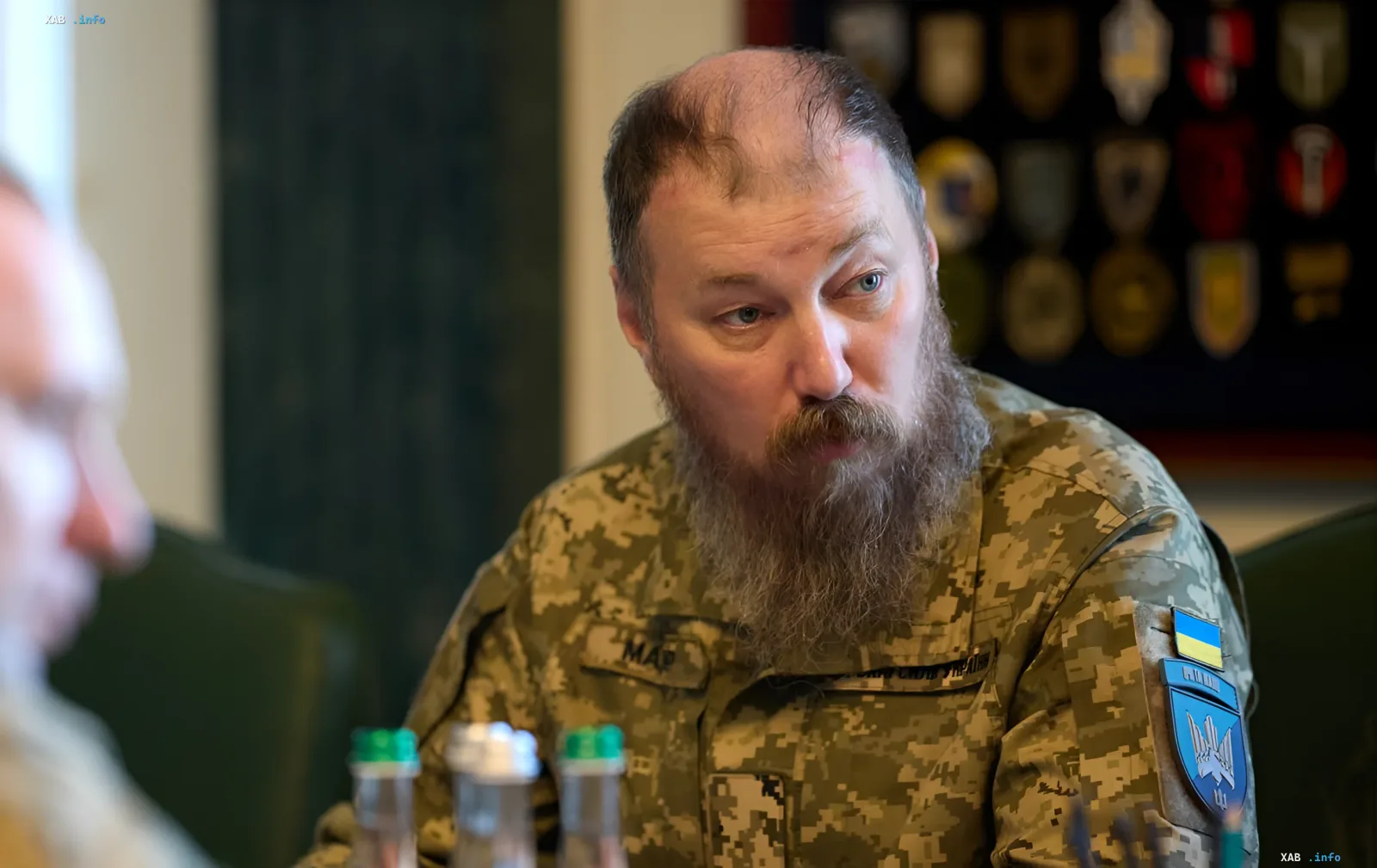
The commander of the 414th Separate Brigade of Strike Unmanned Aerial Vehicle Systems, "Madyar's Birds" ("Ptakhy Madyara"), Robert Brovdi (callsign "Madyar"), published a detailed report on his unit's losses over the 4.5 years of Russia's full-scale invasion in his Telegram channel. According to his data, 79 warriors — "brothers and sisters" — have been killed in the ranks of the brigade, and during the current rotation in the eastern direction the brigade's fighters have neutralized 50,336 Russian occupiers. Brovdi also published the callsigns of all the fallen defenders, emphasizing that the faces of each of them are honored by the fighters every morning, and that the updated tally of enemy losses is maintained on a daily basis.
The mathematics of war: 637 enemies per fallen fighter
The key point that Brovdi draws from comparing the two figures sounds like a cold calculation: "637 torn apart or maimed enemies per single Bird — that is one and a half battalions of the horde's stormtroopers and infantrymen at the cost of each single Bird's life, or the full stormtrooper complement of 22 enemy brigades." The commander stresses that this is not about abstract "losses" but about specific people, whose callsigns he lists in the public domain. This approach to accounting — daily updates of the figures and morning honoring of the fallen — turns operational statistics into an instrument of memory and discipline within the unit.
Rotation in the East: two years on the front line
The 414th Brigade's current rotation in the eastern direction began on July 21, 2024, and continues as of the publication of the report, i.e., it amounts to just over two years. During this period, according to the commander, the brigade neutralized 50,336 Russian servicemen. For context: the 414th Brigade specializes in strike unmanned aerial vehicle systems, which means that a significant share of these results was achieved with UAVs rather than through a classic infantry assault. Brovdi does not break down the figures by type of damage (killed/wounded), limiting himself to the overall "neutralized" number.
Beyond the brigade: systemic strikes on the rear
Brovdi's publication coincided in time with a series of publicly documented strikes by the Ukrainian Defense Forces on strategic targets on Russian territory. On the night of August 26, one of Russia's largest oil refineries — Lukoil-Nizhnekamsknefteorgsintez in Kstovo, Nizhny Novgorod Oblast — was hit, with a large-scale fire breaking out after the explosions. The day before, on August 24, Ukrainian drones struck dozens of enemy targets, including a MiG-29 fighter, a rocket-fuel plant, four radar stations, and a drone base. These episodes show that strike operations against the enemy's rear and logistics are being carried out simultaneously at several levels — from brigade to national.
Context of the brigade's activity
Additional data from open sources confirm the active combat work of the 414th Brigade in recent weeks. According to Ukrainian media reports, units of "Madyar's Birds" attacked eight Russian tankers in the area of occupied territories, and also destroyed a Buk air-defense missile system, fuel tanks, and warehouses in occupied Luhansk region. These operations are consistent with the brigade's declared specialization in strike UAVs and indicate that the statistics published by Brovdi reflect the unit's real, rather than declarative, combat load.
Contradictory data
No significant contradictions between the various sources on the key figures have been identified. At the same time, it is important to note a methodological caveat: both main figures — 79 killed and 50,336 neutralized — are self-reported data of the unit's commander, published in his personal Telegram channel and re-verified by the RBC-Ukraine editorial team. Independent verification of combat losses on both sides under wartime conditions is technically impossible, so the figures provided should be regarded as the brigade's own official data rather than the result of an external audit. No discrepancies in the start date of the rotation or in the overall chronological framework were found between the sources.