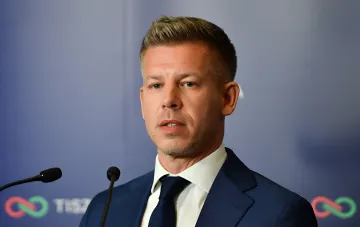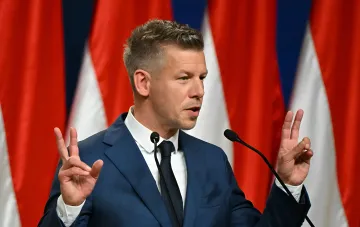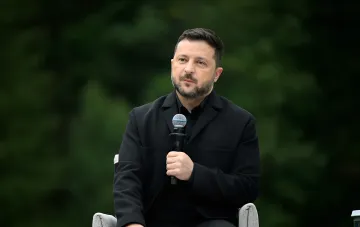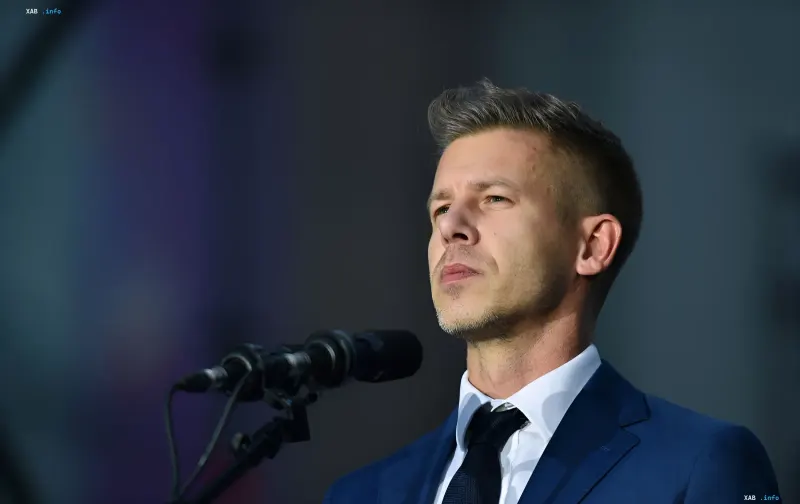
Hungarian Prime Minister Péter Magyar has embarked on a visit to Transcarpathia, where, by his own account, he will hold talks with Ukrainian President Volodymyr Zelenskyy and meet with leaders of the region's Hungarian community. The head of the Hungarian government announced this in a Facebook post, as cited by RBC-Ukraine. The visit marks the first time a sitting Hungarian prime minister has visited Ukraine since 2015 and, as both sides emphasize, is symbolic against the backdrop of attempts to "reset" bilateral relations after years of tension.
Accompaniment and Format of the Visit
According to the announcement, Magyar is accompanied on the trip by Hungarian Foreign Minister Anita Orbán. During the visit, the Prime Minister and the Foreign Minister plan to visit several Hungarian institutions in Transcarpathia, indicating an focus not only on intergovernmental negotiations but also on engaging with the diaspora and the cultural infrastructure of the region's Hungarian community. Earlier, the meeting between the President of Ukraine and the Prime Minister of Hungary was publicly announced by Ukrainian Foreign Minister Andrii Sybiha, confirming the official nature of the contact.
Political Context: From "Threat" to Pragmatism
The visit comes against the backdrop of a notable shift in Budapest's rhetoric. Just the day before, while speaking in parliament, Magyar called Russia an aggressor and Ukraine a victim, and on the same day confirmed his intention to visit Transcarpathia without naming an exact date. This gesture contrasts with the policies of former Prime Minister Viktor Orbán, under whom Ukraine was often portrayed in the Hungarian public sphere as a security threat, and Orbán himself opposed Kyiv's EU accession. After the victory of the Tisza Party in the elections, Magyar promised a more pragmatic approach and the settlement of relations with his neighbor.
What Was Discussed Previously: National Minorities, Education, and War
The first personal meeting between Magyar and Zelenskyy took place on October 16, 2026, on the sidelines of the EU summit in Brussels, behind closed doors and without other delegation members. According to the Hungarian Prime Minister, they discussed two main topics: the status of Hungarians in the Transcarpathian region—including changes to the education law regarding minority languages of instruction and the recognition of the 1944–1945 deportations—and Russia's war against Ukraine, during which Magyar declared support for Ukrainians. The day after the Brussels contact, the EU opened negotiations on two additional clusters, lifting Hungarian objections.
Economic Dimension: The Question of Grain Transit
In addition to political and humanitarian topics, the economic block remains on the bilateral agenda. As Magyar reported, Zelenskyy had proposed that Hungary and other neighboring countries restore the transit of Ukrainian grain to Western Europe. This issue, along with the rights of national minorities, which Budapest continues to set as a condition for Kyiv's further steps toward EU membership, forms the framework in which the current visit to Transcarpathia is taking place.
Thus, Magyar's trip to Transcarpathia serves as a practical continuation of the initial contacts between Kyiv and Budapest: from a symbolic meeting at the EU summit to working on the ground with the community and a direct dialogue with the President of Ukraine. The success of the visit will be measured by whether the declarative "pragmatism" of the new Hungarian government can be translated into concrete agreements on education, minority rights, and the economy.