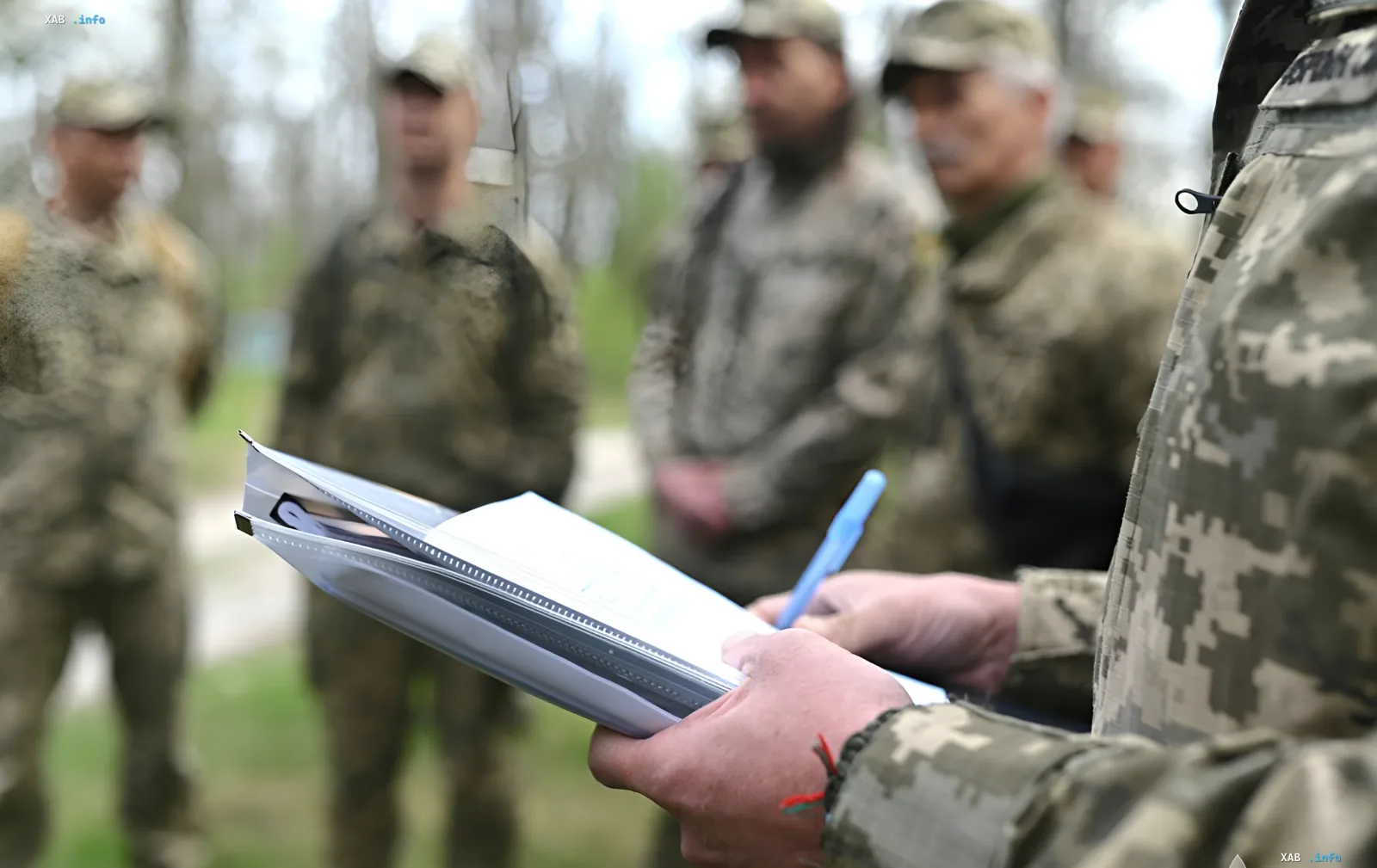
Mobilization in Ukraine is entering a new stage of digitalization and bureaucracy. Territorial Recruitment and Resource Centers (TRRC) and Support Services (SS) have officially clarified: summonses sent by mail or generated in the 'Oberyg' registry have full legal force. This means that waiting for a courier at the door is no longer a mandatory condition for receiving a summons.
Digital and paper document: equal rights
According to explanations from the Kharkiv Regional TRRC and SS, the procedure for summoning citizens can take two forms: personal delivery or postal delivery. The document can be prepared on a traditional paper form or generated through the Unified State Register of Conscripts, Military Personnel, and Reservists.
The key point emphasized by military commissars is the equality of formats. It does not matter whether the document arrived in an envelope or was generated in the system; its legal weight is identical. Information about every action—whether personal delivery or postal dispatch—is recorded in the 'Oberyg' registry, creating a digital history of interaction with the conscript.
Three days for the mail and address nuances
The mechanics of receiving a postal summons have strict time limits. Once the registered letter with the document arrives at the post office, the military personnel has exactly three days to pick it up. The date of appearance at the TRRC is calculated taking into account the time required for letter delivery.
Dispatch occurs to the address of residence that the citizen indicated when updating their military registration data. If the address has not been updated, the letter is sent to the place of registration or declaration. TRRCs emphasize: after receiving the summons, the citizen is obliged to arrive at the specified place within the established time limit.
Action algorithm in case of inability to appear
The legislation provides for a scenario where a conscript cannot appear on the appointed day. In this case, action must be taken promptly. The citizen is obliged to notify the TRRC of the reason for non-appearance no later than three days after the established date. After this, they must arrive at the center within seven calendar days.
If the summons was served properly—personally or via mail—the person is considered duly notified of the need to appear and the possible consequences of refusal.
Fines and criminal liability
Ignoring military registration rules entails serious consequences. Violation of mobilization legislation entails administrative liability in the form of a fine from 17,000 to 25,500 hryvnias. However, TRRCs warn: this is only the beginning.
Systematic ignoring of summonses, especially combat ones, can be grounds for initiating a criminal case. Evading conscription during mobilization is punished under Article 336 of the Criminal Code of Ukraine. The punishment provides for imprisonment for a term of three to five years.
How to appeal a fine
Previously, lawyers explained that a fine for non-appearance can be appealed in certain cases. The basis may be a situation where the summons arrived late or the person physically did not receive the notification from the post office. However, simple confirmation from 'Ukrposhta' is not enough. To cancel the fine, it is necessary to officially appeal the ruling at the TRRC or through the court.
Separately, it is worth noting the issue of serving summonses abroad. Lawyers explain that embassy and consulate staff do not have the authority to serve summonses, as they are not included in the list of authorized persons. Theoretically, service is possible only by an authorized representative of the TRRC, but not by a diplomatic worker.


