
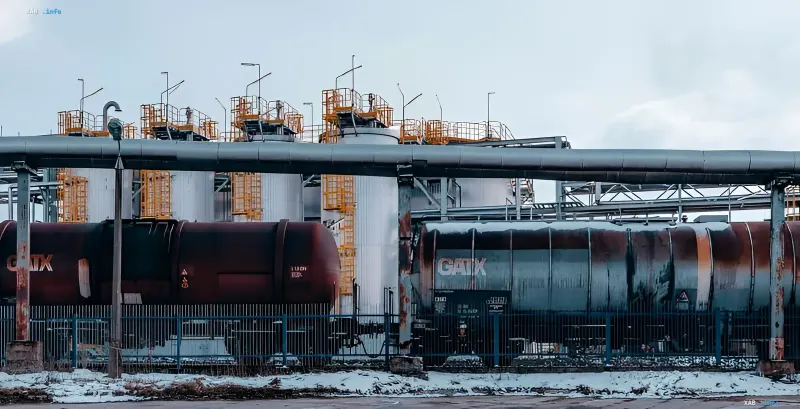
The global fuel market in early July 2026 is demonstrating an unprecedented imbalance. Against the backdrop of declining global crude oil prices, the profitability of refining enterprises has reached its highest levels in the last four years. This phenomenon, known as the "crack spread," indicates that the gap between the cost of raw materials and finished products — gasoline, diesel, and aviation fuel — is at a historically high level.
The situation is exacerbated by changes in the supply structure and a shortage of refining capacity. According to the July report by the International Energy Agency (IEA) and Bloomberg analysts, the margin indicator in the US sector exceeded $53 per barrel. This indicates that the market is oversaturated with raw materials but is experiencing an acute shortage of finished automotive and aviation fuel.
Infrastructure Crisis and Capacity Shortage
According to IEA forecasts from July 10, 2026, global oil refining is expected to decrease by an average of 2.4 million barrels per day by the end of the year. Experts highlight three key factors creating the current gap between supply and demand:
- Volume Reduction in the Middle East: The consequences of the geopolitical crisis in the Persian Gulf have led to regional export refineries operating with limited capacity. This significantly restricts the supply of distillates to European and Asian markets.
- Issues in Eastern Europe: Refining export indicators in the region have been adjusted due to reduced operational activity of major plants affected by infrastructure incidents. Several countries, including the Russian Federation, have introduced temporary internal restrictions on the export of motor fuel, reducing the supply of diesel fuel in the global market.
- Maximum Utilization of Alternative Capacity: Oil refineries in the US and the Asia-Pacific region are operating at technological maximums. However, even this is not enough to compensate for the lost volumes of high-quality middle distillates.
Why is Crude Oil Getting Cheaper?
Parallel to the rise in the cost of finished fuel, Brent crude oil futures prices dropped to the level of $68–72 per barrel in early July, practically neutralizing the "war premium." The stabilization of the raw materials sector is due to systemic measures by international regulators and a shift in the balance of supply and demand.
The key factor was the decline in global demand. The IEA forecast records a drop in consumption of 1.0 million barrels per day in 2026 — the first annual decline since 2020. At the same time, raw material supply is growing: shipments from the UAE and Saudi Arabia have increased, and traffic through the Strait of Hormuz has recovered to 10–16 million barrels per day.
Additional pressure on prices is exerted by the growth of production in the US. According to estimates by the US Department of Energy (DOE), the domestic production forecast for 2026 has been raised to 13.78 million barrels per day. Furthermore, the large-scale use of emergency reserves by OECD countries allowed for balancing the primary deficit, although strategic reserve volumes have reached their lowest accumulation levels since 1990.
Forecast: Volatility Will Persist
Despite the temporary stabilization of raw material prices, the IEA warns that the recovery of logistics chains will not be linear. Ongoing security risks for merchant shipping in the Persian Gulf prevent the resumption of normal operations for Middle Eastern refineries. As a result, the final cost of petroleum products in retail markets will remain sensitive to the shortage of refining capacity until logistics hubs are fully stabilized.


