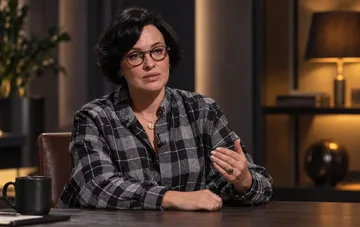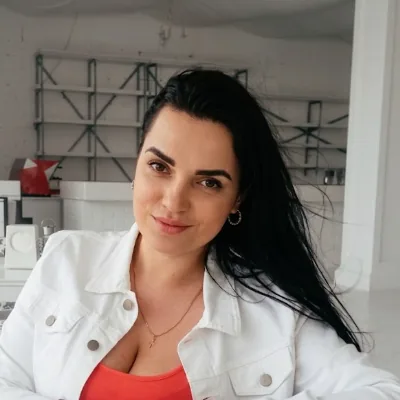

Ukrainian singer and member of the 'Women's Quarter' Marta Adamchuk shared her memories of a three-year period working with the famous duo of Potap and Nastia Kamenskih. In a recent interview with BLIK, the artist spoke in detail about tours, backstage life, and her attitude toward the current actions of her former colleagues who have spent a long time outside of Ukraine.
Background of cooperation and joint tours
Adamchuk joined the star team while still a student, when Potap and Nastia decided to switch entirely to live sound and were looking for a backing vocalist. Upon the recommendation of other band musicians, Marta successfully auditioned by singing a duet with Kamenskih. Their voices blended harmoniously, marking the beginning of a long and productive collaboration. For three years, the artist regularly went on large-scale tours, spending several months a year with her colleagues and sharing both stage success and backstage routines.
Stance on colleagues' departure and changes in society
Commenting on criticism directed at Potap and Kamenskih for their prolonged stay abroad during the full-scale war, Marta noted that she tries to understand the motives of her former partners. In her opinion, being outside the Ukrainian context severely dulls the perception of the realities in which compatriots live. Although it pains her to watch the situation, and certain controversial statements by the artists were even used by Russian propaganda, Adamchuk emphasizes that she does not intend to publicly judge them.
View on missed opportunities and the transformation of show business
The singer is convinced that Oleksiy Potapenko possessed huge potential and organizational skills that could have brought great benefit to Ukraine against the backdrop of Russian aggression—for example, through performances for Armed Forces soldiers or volunteer assistance with vehicles for the front line. However, unsuccessful attempts by the author to find a new relevant language in songs (in particular, the controversial 2023 track about volunteers) showed a deep gap between old approaches and society's modern demand. Adamchuk emphasizes that Ukrainian show business has radically transformed, and today listeners value absolute sincerity and a deep sharing of common pain above all else.