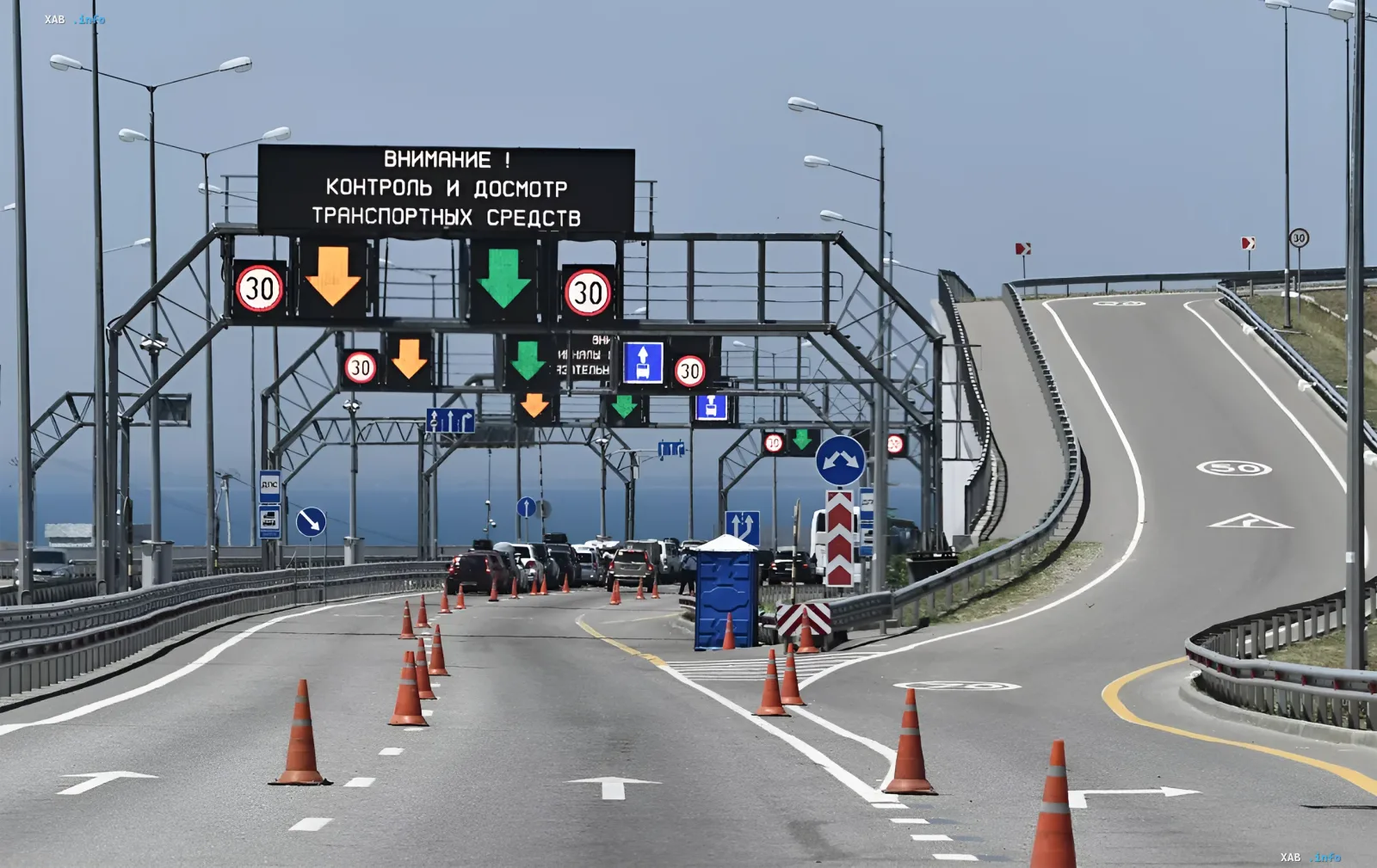
Occupied Crimea is experiencing an unprecedented exodus of its population. As analysts from the Institute for the Study of War (ISW) note, the peninsula is being left not only by Russian tourists but also by permanent residents, military personnel, and security service employees. The cause of this exodus has been large-scale attacks by Ukrainian forces, which have struck key infrastructure objects.
Demographic Crisis and Consequences of Strikes
According to an ISW report, the outflow of population from Crimea could lead to serious demographic consequences. In the short term, this is already noticeable, and in the long term, the situation may worsen if the Ukrainian campaign continues. Experts link this to the fact that intensified strikes on Russian oil infrastructure and logistics, which began in March 2026, have significantly undermined Russia's income from hydrocarbon exports.
The result has been an increase in fuel shortages both in the temporarily occupied territories of Ukraine and in many regions of Russia. Analysts predict that the intensification of strikes will continue to exacerbate the situation against the backdrop of growing demand, which the Russian government will no longer be able to ignore.
State of Emergency and Reaction of Occupation Authorities
On the night of June 25, Ukraine's Unmanned Systems Forces carried out a large-scale operation. Drones struck nearly 40 military and logistical facilities, including the Tavricheskaya Thermal Power Plant, large substations, radar stations, and an oil depot in Dzhankoy.
In response, on June 26, the occupation authorities announced the introduction of a regional state of emergency throughout the territory of Crimea and Sevastopol. The decision came into force at 13:00. So-called Head of Crimea Sergey Aksyonov stated that the measures are intended to "regulate economic issues".
Kremlin's Economic Maneuvers
Against the backdrop of the energy crisis and fuel shortage, on June 26, Vladimir Putin signed a decree extending the ban on the export of oil and oil products at prices corresponding to the price caps set by the G7 and the EU. The ban has been extended until December 31, 2027. Initially, this restriction was introduced in December 2022.
Analysts believe that Putin's decision to extend the ban, despite constant economic difficulties and price spikes within the country, is a signal that Russia does not intend to comply with Western sanctions.
Kyiv's Strategy
Ukrainian President Volodymyr Zelenskyy previously stated that the operation on Crimea was carefully calculated. The head of state emphasized that, provided partners in the G7 provide the necessary resources, Kyiv will quickly create conditions under which Russia will be forced to go for peace. According to him, current actions are aimed at making the presence of occupiers on the peninsula impossible.


