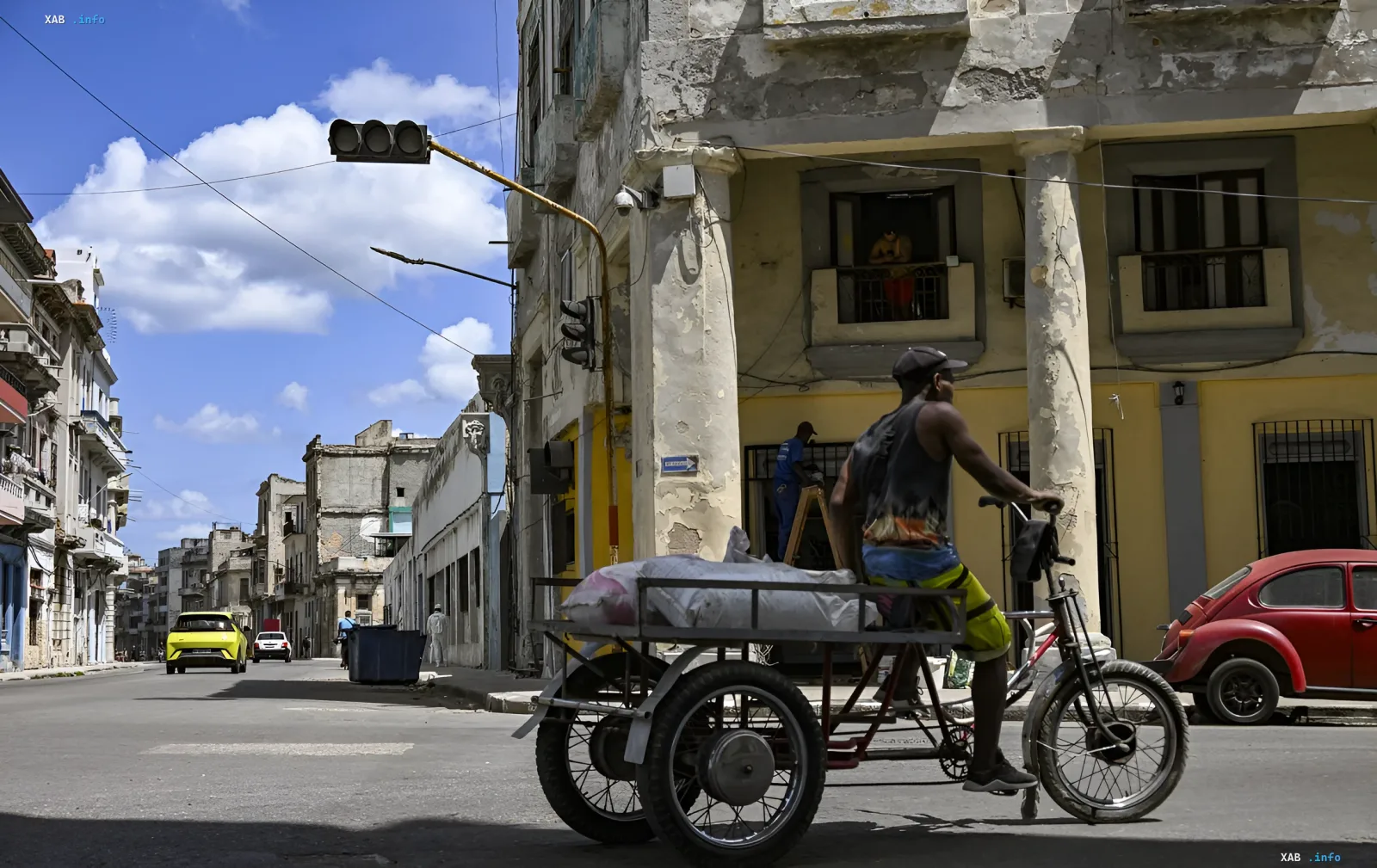
Cuba is facing an unprecedented crisis that threatens the stability of the entire island economy. Against the backdrop of increasing pressure from the Donald Trump administration and internal economic collapse, international corporations are massively scaling back their presence on the island. This event marks the collapse of decades during which foreign investors, despite the embargo, attempted to establish themselves in the Cuban economy.
Financial Blockade and Capital Flight
The situation escalated to a critical point on June 6. The Central Bank of Cuba officially announced the suspension of operations using Mastercard and Visa cards for foreigners. This decision effectively cut off tourists and expats from familiar financial tools, exacerbating the already difficult situation in the tourism sector.
Parallel to financial restrictions, there is a massive outflow of migrants. According to The Wall Street Journal, the cause was the cancellation of flights by major airlines due to an acute shortage of aviation fuel. The transport isolation of the island is becoming a reality, making further business operations practically impossible.
Hotel Giants Withdraw
The tourism industry, which was one of the main sources of hard currency for the country, is suffering a crushing blow. Major global players are making the decision to exit the market:
- Giant companies Iberostar and Meliá have refused to manage at least a dozen hotels in Cuba.
- The Canadian chain Royalton Hotels & Resorts has completely ceased its operations on the island following a sharp decline in tourist flow.
These companies have endured the risks of working in a communist state for decades, supplying the island not only with capital but also with necessary business expertise. However, now the balance of risks and benefits has shifted towards total unprofitability.
Crisis in the Mining Sector
Uncertainty has also loomed over the strategically important mining sector. The Canadian company Sherritt International, one of the key foreign investors, suspended its operations in May. This event has a deep historical context: the company's former CEO was once called Fidel Castro's "favorite capitalist," symbolizing rare moments of cooperation between Havana and Western business.
Today, this alliance is crumbling. Companies that were the last remnants of foreign investment in the economy are concluding that risks outweigh any possible benefits. Economic collapse combined with political pressure makes doing business in Cuba too dangerous an enterprise.
Geopolitical Pressure
The external factor plays a decisive role in the current crisis. The Trump administration has increased pressure on Havana, which has become a catalyst for investors leaving. The situation is complicated by the fact that US intelligence began studying possible options for Cuba's reaction to potential military action by the United States at the end of May. The results of these studies are to be presented to the US President.
Experts note that the threat to the island under current conditions may be quite real. The departure of international companies deprives Cuba not only of money but also of ties with the world economy, leaving the country facing isolation and a deep crisis.


