
The night of July 10 became a test for the Ukrainian air defense system. Russian forces launched a large-scale attack, deploying an unprecedented number of strike drones. According to the Ukrainian Air Force, 137 drones were launched from various directions over a single night.
Scale and Types of Attacking Targets
The attack was comprehensive in nature. The enemy used a wide range of equipment, including the famous Shahed-type kamikaze drones (including their jet modifications), as well as newer models like "Gerbera" and "Italmas." The attack involved drones carrying "Bandol" munitions, as well as specialized "Parody" type decoy drones designed to overload air defense systems with false targets.
The assault was conducted from several axes, creating threats in the north, south, and east of the country. The main attack directions passed through Russian territory (Orel, Bryansk, Millerovo, Primorsko-Akhtarsk) and occupied territories of the Donetsk region.
Ukrainian Defense Operations
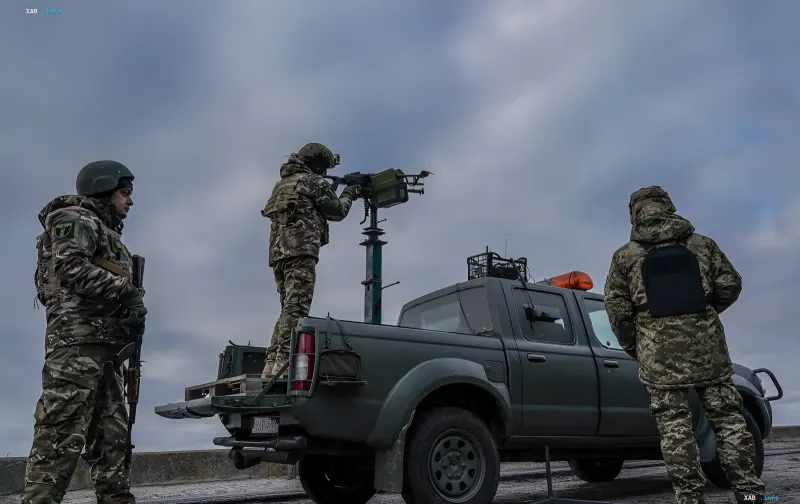
All available means were deployed to repel the strike. Aviation took to the skies, anti-aircraft missile troops operated, and electronic warfare (EW) units were active. Mobile fire groups and the Air Force's own unmanned systems played a particularly important role.
Preliminary data, current as of 08:00 AM, indicates that Ukrainian forces managed to shoot down or suppress 114 enemy drones. This means that the overwhelming majority of attacking targets were destroyed before reaching critical infrastructure.
Consequences of the Attack
Despite the high efficiency of the air defense, it was impossible to completely avoid losses. Impacts from 18 strike drones were recorded at 16 different locations. Additionally, debris from shot-down drones was recorded falling at 4 points, which also poses risks to the population and infrastructure.
The Ukrainian Air Force warned that the attack is ongoing and enemy drones remain in the airspace, urging citizens to strictly follow safety rules.
Monthly Statistics and Future Challenges
This night's attack is part of a general trend. In July alone, Russia launched nearly 6,000 drones and missiles at Ukraine. Of these, Ukrainian forces destroyed approximately 5,300. The overall interception rate of aerial targets during mass attacks reached 89%.
However, experts and military personnel note that the most difficult challenge remains ballistic missiles. Unlike drones, their interception requires colossal resources, specifically a significant number of PAC-3 missiles for Patriot air defense systems. While the interception efficiency of ballistic missiles dropped to 40% in June, the situation with drones remains under control.


