
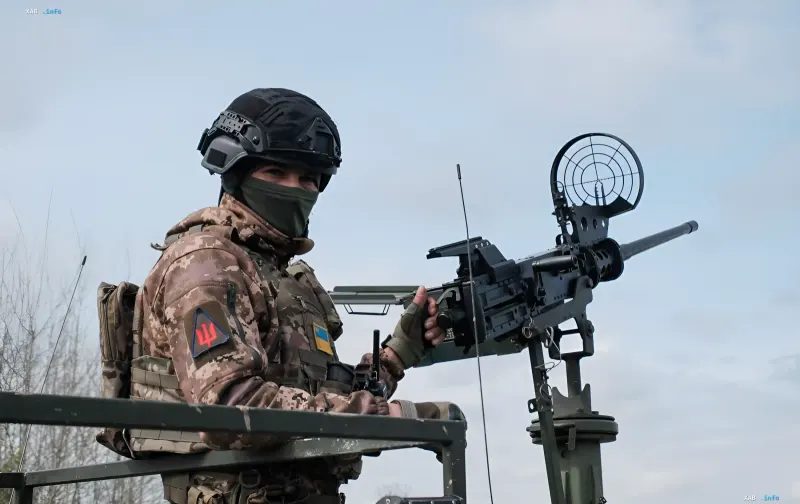
In the night of June 4, Ukraine was subjected to a massive air assault from Russia. According to the Air Force of the Armed Forces of Ukraine, the enemy launched an Iskander-M ballistic missile and 293 attack drones at the country's territory. The attack was launched from several regions of the Russian Federation and occupied Crimea, however, the Ukrainian air defense managed to intercept the overwhelming majority of targets.
Nature and Scale of the Strike
According to an RBC-Ukraine report, the Iskander-M ballistic missile was launched from the Voronezh region. As part of the massive wave of the attack, attack drones of the Shahed type (including jet modifications), Gerbera, Italmas, as well as Banderol loitering munitions were used. In addition, the enemy used Parody-type decoy drones to overload defense systems.
The attack was carried out from the directions of the Kursk and Bryansk regions, as well as from Millerovo and Primorsko-Akhtarsk. An additional attack vector was opened from the territory of occupied Crimea (Chauda settlement).
Air Defense Results
The country's defense was provided by aviation, anti-aircraft missile troops, electronic warfare units, unmanned systems, and mobile fire groups. As of 08:00 in the morning, Ukrainian forces recorded the shooting down or suppression of 264 enemy drones of various types in the north, south, and east of the country.
Despite the effectiveness of the interception, the consequences of the strike were recorded:
- Impact of a ballistic missile.
- Impact of 24 attack drones at 11 locations.
- Falling debris from shot-down targets on 12 territories.
The Air Force warned that the attack is ongoing and enemy UAVs are still in the airspace, urging citizens to follow safety rules.
Context: Growth in Weapons Production
The scale of the night attack correlates with data on Russia's expansion of production capacity. Earlier, Bloomberg reported that in April, drone production in Russia increased by 117% compared to the same period of the previous year. This year, Moscow plans to produce 7.3 million FPV drones and 7.8 million warheads for drones.
There is also a significant increase in the production of Shahed-type attack drones. At the same time, experts note that a significant part of this so-called "domestic production" is based on components supplied from China.


