

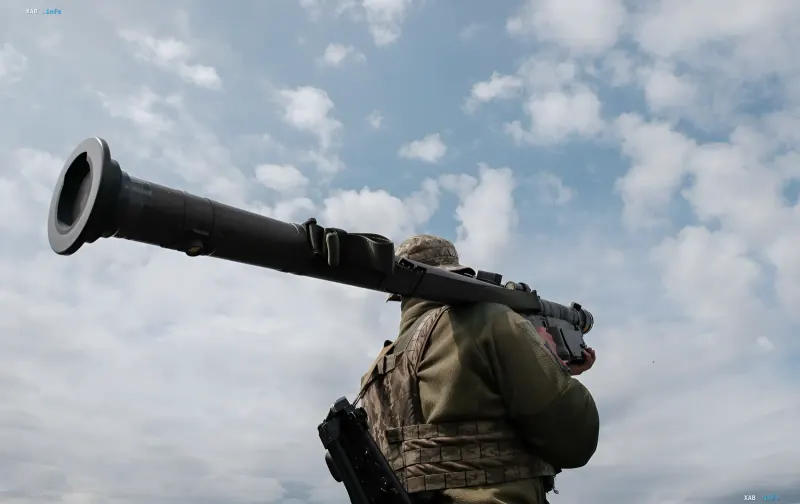
On the night of July 9, Ukraine was subjected to a large-scale attack by Russian armed forces. The enemy employed a wide range of weaponry: Iskander-M ballistic missiles, Shahed, Gerbera, and Italmas attack drones, as well as 'Parodia' decoy drones designed to overload air defense systems.
Scale of the Attack Repulsion
As of 08:30, Ukrainian air defense forces reported intercepting and neutralizing 72 enemy unmanned aerial vehicles of various types. Successful interceptions were recorded in the north, south, and east of the country. Despite the significant volume of repelled attacks, the airspace remains under threat.
"The attack is ongoing, there are several enemy UAVs in the airspace. Observe safety rules!" — the Air Force of the Armed Forces of Ukraine urges.
Strikes on Infrastructure and New Threats
During the night raids, Russian troops delivered a double strike on a gas station in Kharkiv. The incident confirms the trend of attacks on critical infrastructure and energy sector facilities.
Parallel to physical attacks, attempts at cyber interference are being recorded. It was previously reported that the enemy intends to jam Starlink satellite communications to disrupt the coordination of Ukrainian attacks and break communications at the front.
Countermeasures and Restoration
Under conditions of constant pressure on the power grid, new methods for the accelerated restoration of energy facilities after shelling are being developed in Ukraine. These measures are aimed at minimizing downtime and quickly returning necessary resources to the population and industry.


