Russia's capital region has faced a series of aerial attacks using unmanned aerial vehicles, resulting in emergency restrictions on transport infrastructure. All major Moscow airports temporarily halted the reception and departure of flights amid reports of air defense systems in action. Moscow Mayor Sergey Sobyanin repeatedly published data throughout the day regarding the destruction of drones heading toward the city.
Restrictions at Capital Airports and Repulsion of the Strike
Due to flight safety threats, temporary takeoff and landing restrictions were introduced at Moscow airports. According to specialized agencies and monitoring resources, emergency measures affected all major aviation hubs in the region, including Vnukovo, Domodedovo, Sheremetyevo, and Zhukovsky. Some aircraft heading to the capital were redirected to alternate airfields in other cities.
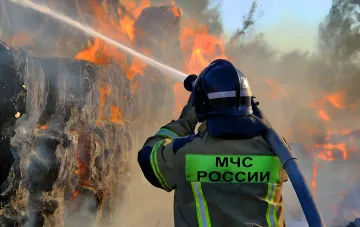
Moscow Mayor Sergey Sobyanin consistently reported on Telegram about the repulsion of attacks by the Ministry of Defense. Throughout the day, reports came in regarding several waves of destroyed drones on the approach to the city. Emergency services promptly began operations at the sites where debris fell to address the aftermath.
Background and Parallel Incidents in the Regions
The current attack continues a series of large-scale drone raids recorded in Russian regions in recent weeks. Alongside the capital direction, other industrial facilities have also been targeted. Previously, reports emerged about a drone attack on the Azot chemical plant in the Perm Krai, where smoke was spotted over the enterprise in Berezniki.
Monitoring channels and Russian media note an increased intensity of drone deployments across various regions, including Yaroslavl and Vladimir. Military agencies and local authorities are taking measures to strengthen the protection of strategic facilities, yet regular incidents continue to disrupt the normal rhythm of infrastructure operations.
Significance of Events and Potential Consequences
Sudden restrictions on the country's largest aviation hub and large-scale schedule disruptions demonstrate the vulnerability of supply chains to aerial threats. Regular pauses in airport operations deal a significant blow to civil aviation and passenger traffic, requiring the redirection of substantial resources to ensure security.
The further development of the situation largely depends on the effectiveness of air defense systems and the ability to quickly minimize damage from falling debris. Such incidents heighten tension in central regions and inevitably entail stricter security measures in transport and key industrial facilities.