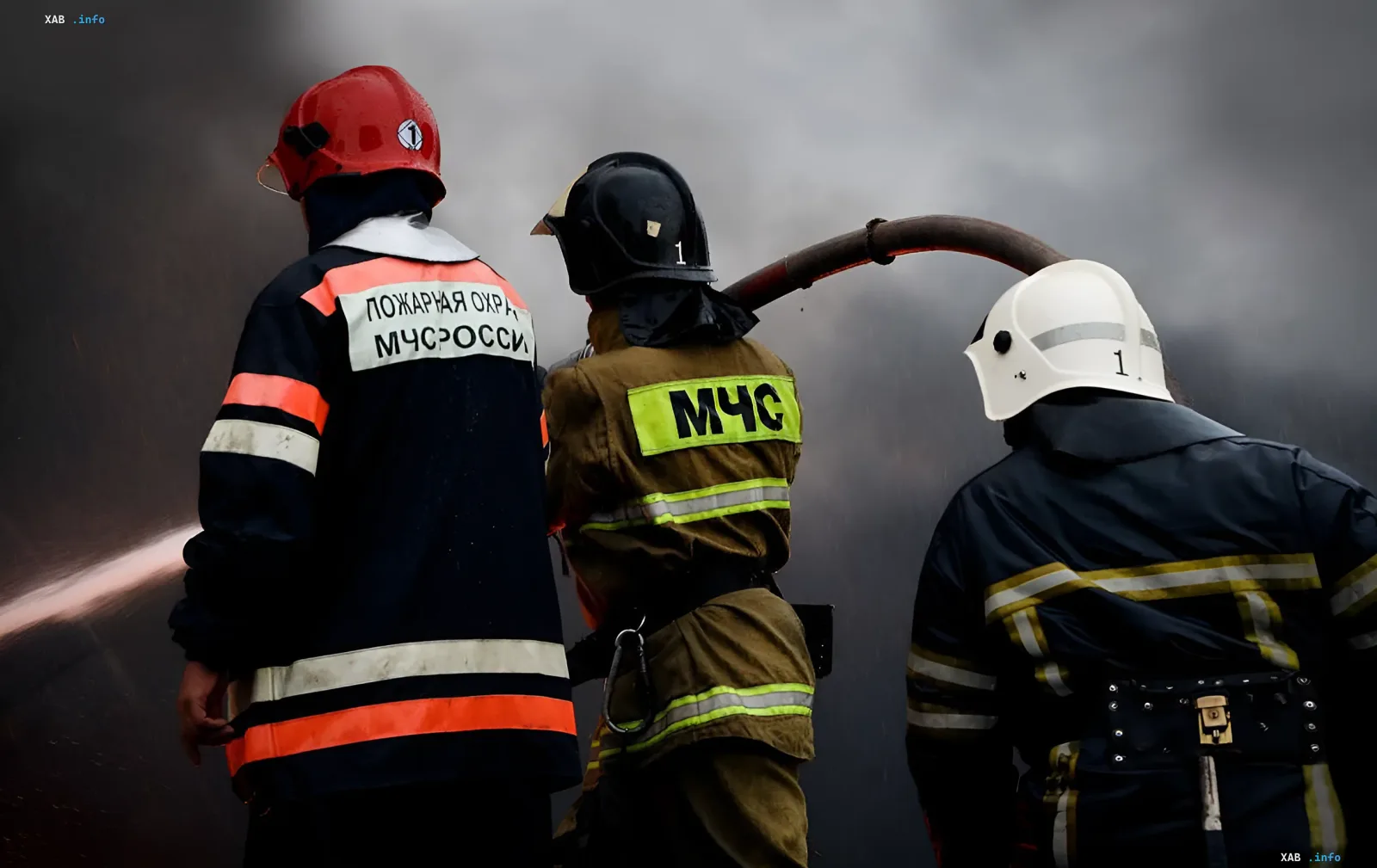
In the night of June 8, a serious incident occurred in the port of Novorossiysk. The "Grushevaya" transshipment oil depot, one of the key logistics hubs in southern Russia, came under drone attack. A massive fire broke out at the facility, as evidenced by numerous photos and videos published by local residents. Thick smoke rising over the terminal area is visible for several kilometers.
Strategic significance of the facility
The "Grushevaya" oil depot is part of the "Shesharis" marine oil terminal, owned by JSC "Chernomortransneft" (a subsidiary of "Transneft"). It is the largest oil storage facility in the Caucasus, playing a critical role in the country's export logistics. According to sources, this terminal accounts for about 20% of Russia's total seaborne oil exports.
The complex's throughput capacity is colossal: up to 75 million tons of oil and oil products per year. Under normal operating conditions, the terminal ensures the shipment of approximately 700,000 barrels daily. The failure or damage of such a facility could significantly affect the volume of hydrocarbon supplies to global markets.
Course of events and consequences
The attack was carried out using unmanned aerial vehicles. After a series of strikes, a fire started on the depot's territory, which, according to monitoring channels, continues to intensify. The situation remains tense, and the exact scale of material damage is not yet known.
Novorossiysk was not the only target of Ukrainian forces recently. On Saturday, June 6, a similar drone attack led to a fire at an oil depot in Ust-Labinsk. These events are taking place against the backdrop of Reuters reports that at the end of May, almost all the largest oil refineries in central Russia were forced to completely stop or significantly reduce fuel production due to massive strikes on infrastructure.
Context of strikes on infrastructure
The series of attacks demonstrates an expansion of the geography of strikes on the energy sector. In the night of June 3, the Ukrainian Defense Forces struck ships and infrastructure objects in the port of Kronstadt in the Leningrad region. The systematic destruction of transportation and storage nodes threatens the stability of the entire fuel and energy chain in border and strategically important regions.


