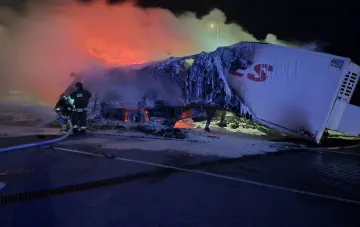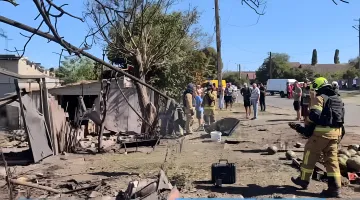
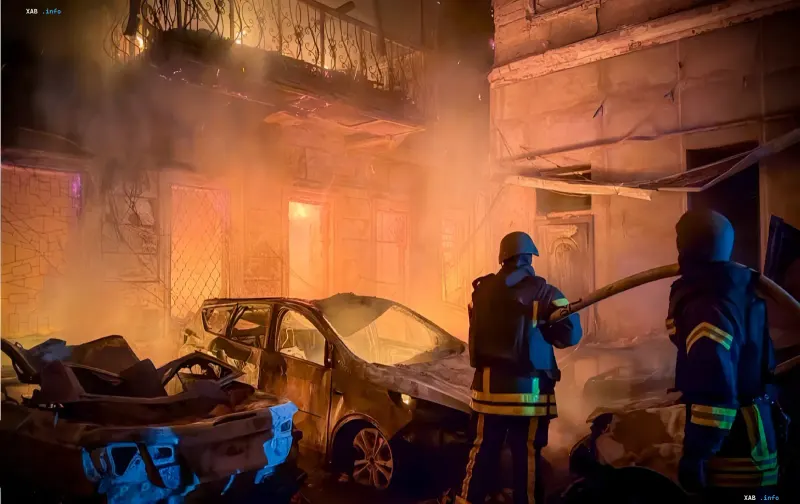
On August 9, 2026, Ukraine faced another wave of escalation of violence by Russian occupation forces. Within 24 hours, the enemy launched a massive barrage of missiles and directed over 200 unmanned aerial vehicles at several key regions of the country. The priority targets were civilian and energy infrastructure, but residential areas were also hit, resulting in casualties and destruction.
Tragedy in Odesa: Children in a Bus and City Destruction
One of the most alarming incidents of the day was the damage to a bus in Odesa. According to Ivan Vygovsky, the Minister of Internal Affairs of Ukraine, during repeated enemy shelling during the day, a blast wave struck a vehicle containing 12 children. Fortunately, no one suffered serious injuries, although one child sustained minor scratches. The incident occurred against the backdrop of assessing the aftermath of a night strike, which damaged residential buildings, a hotel, and civilian infrastructure in the city.
The situation in Odesa is complicated by extensive damage to the energy system. As a result of the attack, parts of the city and region were left without electricity. Experts warn that restoration work will take a long time, creating additional difficulties for residents and businesses amid ongoing shelling.
Heroism and Casualties: Tragedy in the Zaporizhzhia Region
In the Zaporizhzhia region, the cost of defense proved high. According to the National Police, firefighter-rescuer Oleksandr Prodan died during another attack. His colleagues, two other employees of the State Emergency Service (SES), were injured and urgently hospitalized. The death of the rescuer highlights the high risk that emergency service personnel face daily, working under constant threat of secondary explosions and collapses.
Kharkiv and Chernihiv Region: Evacuation and Saving Civilians
Large-scale emergency rescue operations continue in Kharkiv. Enemy shelling led to damage to a residential high-rise building. Currently, nearly 40 people are known to be injured. In the first minutes after the impact, police and SES rescuers promptly evacuated residents, including families with infants and people with disabilities, including a man in a wheelchair. A mobile service center of the Ministry of Internal Affairs is operating at the scene to promptly restore lost documents, which is critical for those affected by the destruction of their homes.
In the morning, strikes were also launched against the Chernihiv region. Russian forces used a drone against the Semeniivka community. A hit was recorded near a local store. Police on official transport evacuated three injured civilians to the hospital. These incidents indicate that the threat extends not only to major industrial centers but also to small settlements.
Contradictory Data
In the context of assessing the scale of destruction and losses, there are certain discrepancies in initial reports. While official data from the Ministry of Internal Affairs and the police record specific figures of injured people in Kharkiv (nearly 40 people) and Odesa (12 children in a bus), independent sources and local volunteer groups sometimes report a higher number of injured who have not yet been officially registered in hospitals. Furthermore, the exact number of destroyed drones (over 200 according to air defense data) may vary depending on whether this figure includes drones shot down while approaching targets or only those intercepted in the air. Final reports on material damage will be compiled only after all emergency restoration work is completed.
Attack Strategy and Consequences for Infrastructure
Night and day shelling on August 9 marked another stage of targeted Russian strikes against Ukraine's civilian and energy infrastructure. The enemy continues to use the tactic of mass launches to overload air defense systems. Dnipropetrovshchyna was also hit, where a shopping center in Pavlohrad was damaged. These attacks are aimed at destabilizing the rear and creating a humanitarian crisis; however, the operational work of rescue services and the police allows for minimizing losses among the civilian population.