
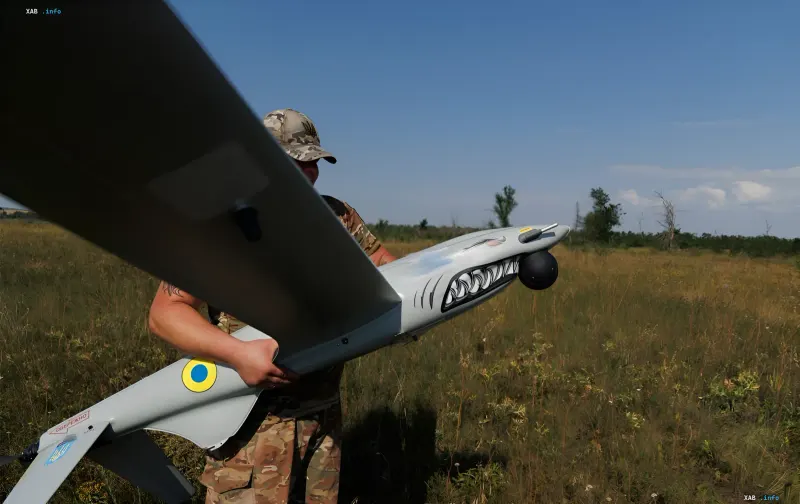
On the night of July 10, the Armed Forces of Ukraine carried out a large-scale operation to strike critical infrastructure of the Russian Federation. According to the General Staff of the Armed Forces of Ukraine, the targets included objects of the fuel and energy complex and maritime transport supporting the enemy's military logistics.
The main focus of the operation was on disrupting the supply chains of fuel and lubricants. Ukrainian military forces attacked several major oil refineries, terminals, and storage facilities, as well as damaged 18 Russian vessels.
Strikes on oil refineries
One of the main targets of the attack was the Ilysky Oil Refinery in the Krasnodar Krai. This enterprise is one of the largest in southern Russia and has an annual processing capacity of up to 6.6 million tons of oil. Following a series of explosions on the plant's territory, a fire broke out. The products of the Ilysky Refinery are actively used by the Russian army to supply its military equipment.
Significant damage was also inflicted on facilities in the Rostov region. In Taganrog, fire engulfed the "KurganNefteprodukt" oil terminal. In Azov, powerful explosions and columns of smoke were recorded at the "AzovNefteprodukt" base. Both enterprises perform the functions of storing and distributing fuel for the Russian armed forces.
In the Leningrad region, the "NOVATEK-Ust-Luga" complex was hit. The enterprise processes about 7 million tons of gas condensate annually and is also involved in supply schemes for the Russian army.
Damage to the fleet and warehouses
Special attention in the General Staff's report was paid to maritime targets. The Armed Forces of Ukraine struck 18 Russian vessels. All these transport units were used by the occupiers to transport fuel and other military cargo necessary for conducting hostilities against Ukraine.
In addition, a strike was launched against a fuel and lubricants warehouse of Russian troops located in the Rozivka area in the Zaporizhzhia region.
Consequences for the Russian economy
Ukrainian President Volodymyr Zelenskyy, in his statement, emphasized that there are no oil refineries left in Russia that have not been subjected to Ukrainian attacks. Experts note that current gasoline production in Russia covers only about 65% of seasonal demand.
As a result of drone strikes, the largest refineries of the aggressor country have stopped, creating serious problems with fuel supply for both the civilian sector and military needs. The final assessment of the damage and the results of all strikes are being clarified.


