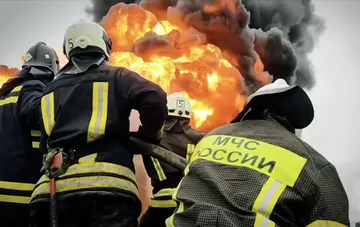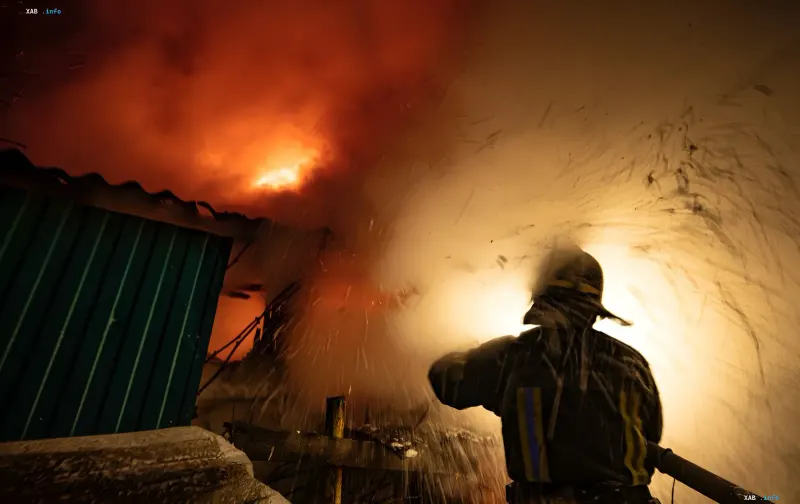
On the evening of November 15, the Ukrainian Defense Forces carried out another massive drone attack on Moscow. This was reported in the Telegram channel of the mayor of the Russian capital, Sergei Sobyanin, as relayed by RBC-Ukraine. According to him, dozens of strike drones were moving toward the capital, and emergency services specialists were operating at the sites where debris fell. The attack unfolded in waves over several hours, and Russian authorities consistently published updated data on interceptions.
Chronology of Interceptions Over the Capital
Sobyanin's first statement appeared around 19:10: the mayor reported that air defense had «neutralized» four Ukrainian drones heading toward Moscow. Twenty minutes later, at 19:46, he updated the figure: «Ministry of Defense air defense shot down 11 drones flying toward Moscow.» By 20:10, according to Russian authorities, several dozen more drones were moving toward the capital, 16 of which were shot down. At 20:15, Sobyanin announced the repelling of an attack by another 19 UAVs. Thus, during the evening period over Moscow, according to official data, at least 30–40 drones were intercepted. The consequences of the attack for infrastructure and citizens were not disclosed at the time of publication.
Scale of the Operation Across Russia
Significantly broader figures were cited by the Russian Ministry of Defense. The agency stated that during the day — from 08:00 to 20:00 Moscow time — on-duty air defense forces intercepted and destroyed 230 Ukrainian fixed-wing drones. According to the Ministry of Defense, drones were shot down over the territories of Belgorod, Bryansk, and Kursk regions, the Republic of Crimea, and the waters of the Black Sea. At the same time, the defense department, as in previous reports, did not specify the total number of UAVs involved by the Ukrainian Defense Forces in attacks on various regions of Russia.
Context: Strikes on the Oil Refining Industry
The attack on Moscow became part of a broader campaign of strikes against Russia's rear infrastructure. As RBC-Ukraine previously reported, within one week the Ukrainian Defense Forces disrupted the operations of Russia's nine largest oil refineries. Over two weeks of attacks, more than a third of all of Russia's oil refining capacity was hit. These strikes, according to Ukrainian military estimates, are aimed at reducing the logistical and financial capabilities of the Russian war machine.
What Is Known About the Consequences
At the time of publication, no data regarding direct destruction in Moscow, casualties among citizens, or disruptions to transport and energy networks had been received. Sobyanin limited himself to stating that emergency services were working at the sites of falling debris. The Russian Ministry of Defense also provided no information on damage to infrastructure facilities in its briefings. The Ukrainian side had not published public data on the results of the attack on Moscow at the time of writing.