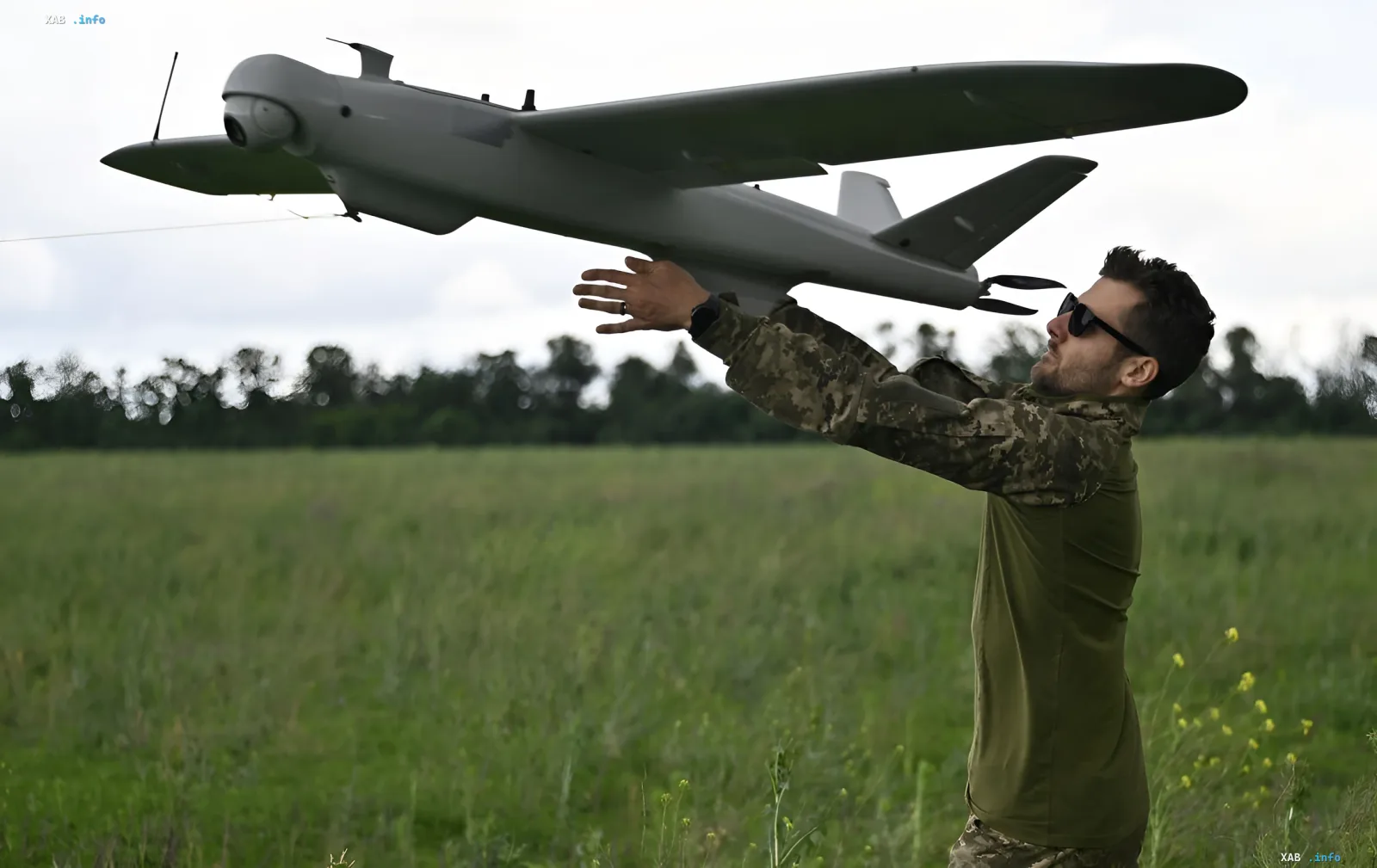
On the night of June 24, Russian territory was subjected to a large-scale strike from Ukraine. According to the Russian Ministry of Defense, the drone attack covered almost 20 regions simultaneously — from border areas to the Moscow region. This is one of the most geographically extensive strikes in recent times.
Scale of interception and air defense actions
According to the Russian ministry, air defense systems intercepted and destroyed 323 Ukrainian fixed-wing drones during the night. The Russian Ministry of Defense also reported the destruction of drones over the waters of the Azov and Black Seas. However, as in previous cases, the Russian side has not disclosed full information about possible consequences of strikes on infrastructure and ground targets.
Strikes in the Orenburg region
Particular attention was drawn to events in the Orenburg region, where powerful explosions were heard at night. According to unconfirmed reports, a local gas processing plant — one of the largest in the country — may have been hit. Local authorities officially confirmed the fact of the drone attack.
Due to the threat of UAVs, the "Carpet" airspace restriction regime was introduced in the region. Airports in Orenburg, Orsk, and Yasnaya were also temporarily suspended.
Situation in Crimea and Sevastopol
The temporarily occupied Crimea was also subjected to a massive attack. In Sevastopol, strikes targeted energy infrastructure. Additionally, explosions and large-scale fires were recorded at military facilities controlled by Russian troops in Bakhchisarai and Kerch.
Reaction and consequences
Although exact data on damage and losses remain classified, the fact of a simultaneous strike on such a broad front indicates a significant increase in the capabilities of the Ukrainian army in the field of unmanned systems. Experts note that such attacks are becoming increasingly difficult to intercept and require Russian air defense to maintain constant readiness for multi-target countermeasures.


