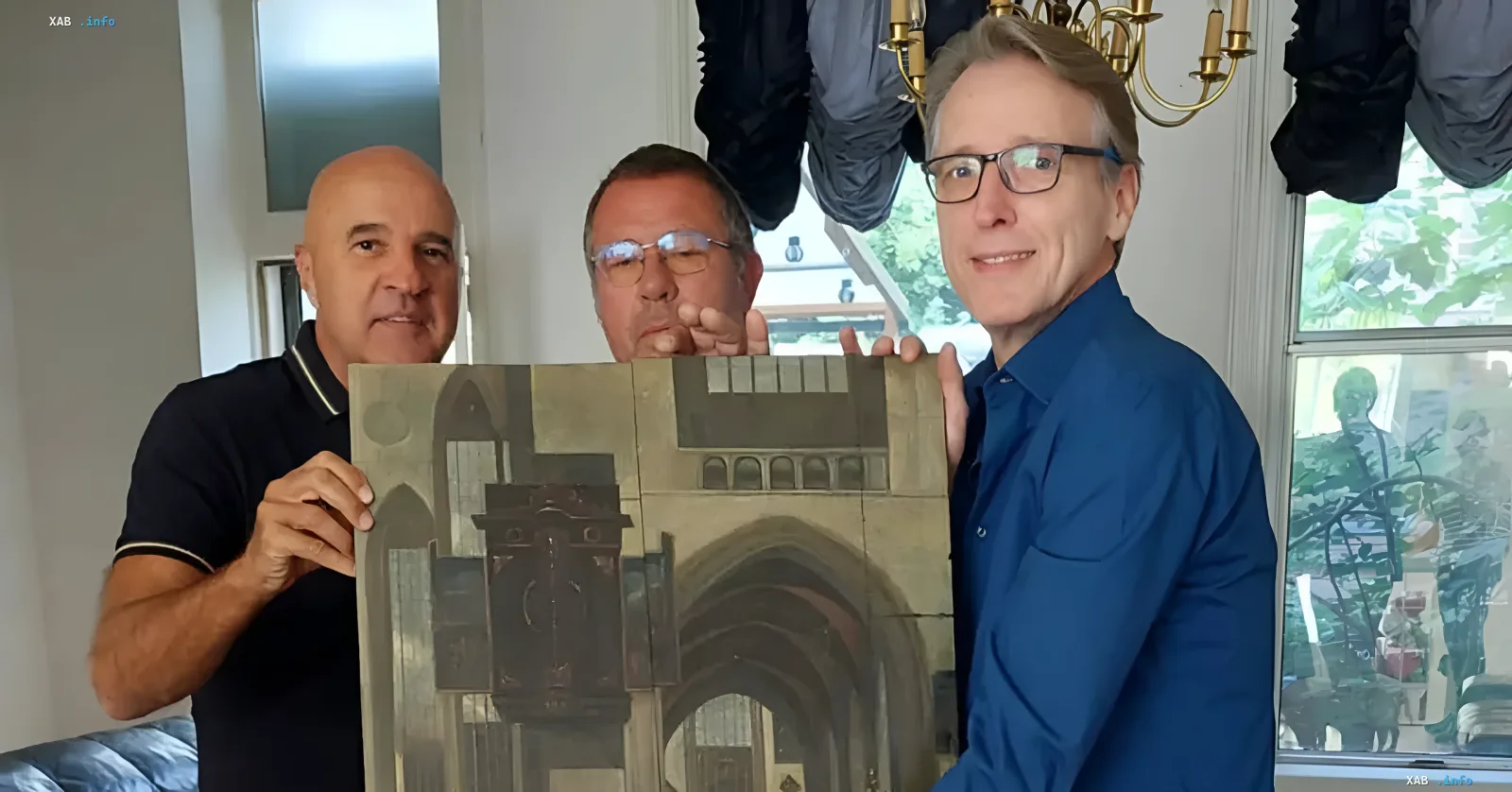
In Amsterdam, a story that could have remained a secret forever has come to an end. A painting belonging to the famous Dutch art dealer of Jewish origin, Jacques Goudstikker, was found decades later among street trash. Now, the artwork, presumably painted by the "Golden Age" master Hendrick van der Burgh, will be returned to the owner's heirs.
Discovery on the Sidewalk
It all started with a coincidence. An Amsterdam resident, Robert van der Gouw, was driving down the street and noticed a canvas among discarded items. It lay in a pile of garbage, but the man decided to take it, unaware that he was holding a piece of history that had shaken the art world.
The reason for contacting the press was an article in the newspaper De Telegraaf about another painting from the Goudstikker collection — Toon Kelder's "Portrait of a Young Girl." This masterpiece had previously been discovered in the home of the descendants of SS commander Hendrik Seyffardt. After reading the news, van der Gouw contacted the editorial office, sending photos of his find and the labels on the back.
Traces in the Black Book
On the back of the canvas was the inscription "Collectie Goudstikker" ("Goudstikker Collection") and inventory number 1647. The editorial office turned to the famous art detective Arthur Brand and criminal journalist John van den Gevel to verify authenticity.
Brand conducted a thorough investigation, cross-referencing the find with records in the art dealer's famous "black leather book." In this document, which Goudstikker kept personally, more than a thousand paintings were recorded. The description of the painting depicting the interior of Amsterdam's New Church (Nieuwe Kerk) matched the entry in the book exactly. Experts determined that the canvas was acquired around 1925.
Tragedy of the Collection
The history of this painting is inextricably linked to the tragedy of World War II. In 1940, after the Nazi German invasion of the Netherlands, Jacques Goudstikker was forced to flee the country, leaving behind his priceless collection, which numbered about 1,400 works by old masters.
German occupiers quickly looted the collection. Some of the canvases ended up in the personal collection of Reichsführer-SS Hermann Göring. After the war, the Allies were able to find and return more than 200 paintings from the Goudstikker collection, handing them over to the Dutch government. However, the full restitution process took decades: 202 works were returned to the art dealer's heirs only in 2006.
Robert van der Gouw's discovery today is another step towards restoring justice and returning lost cultural heritage to its rightful owners.


