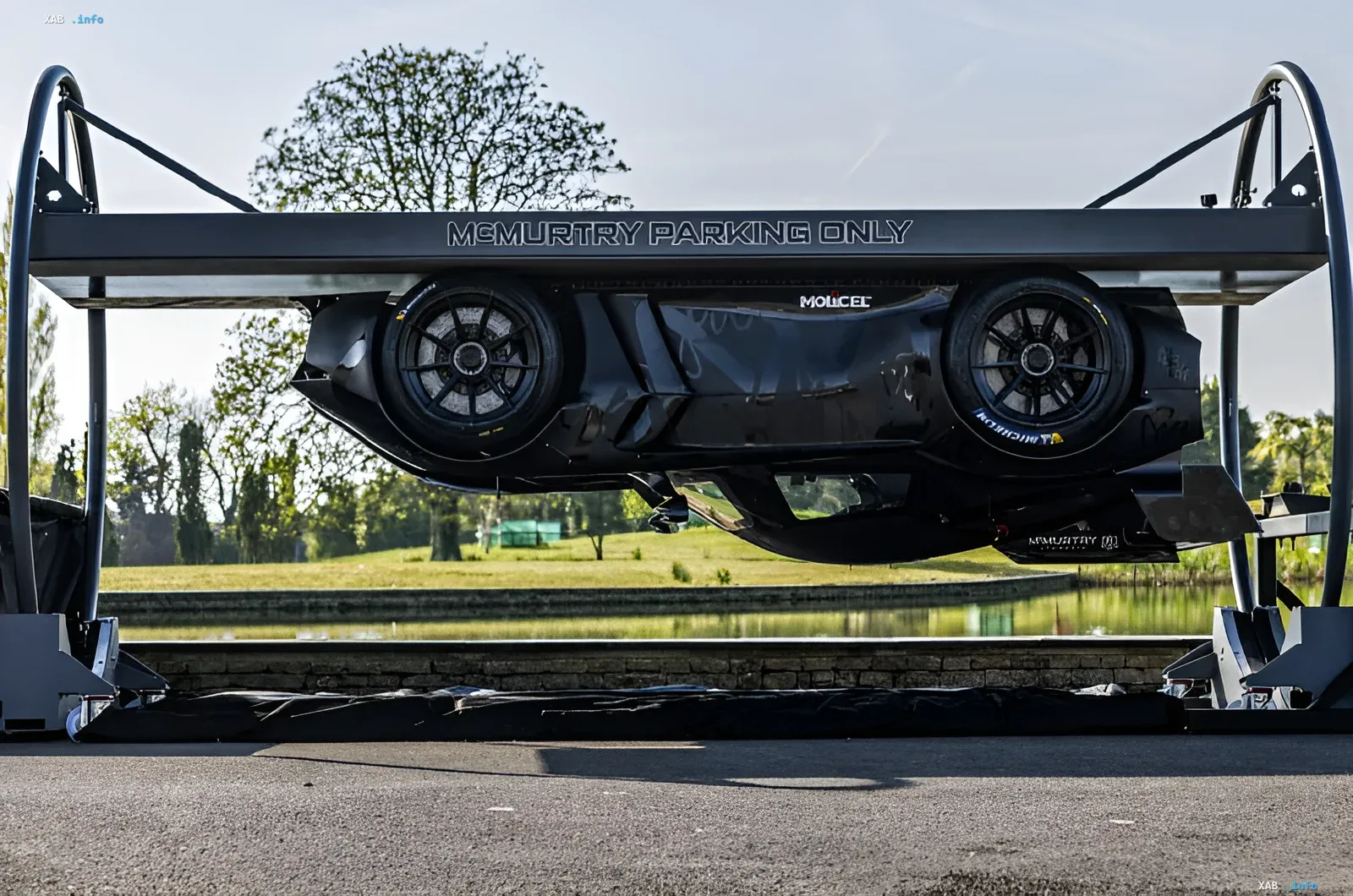
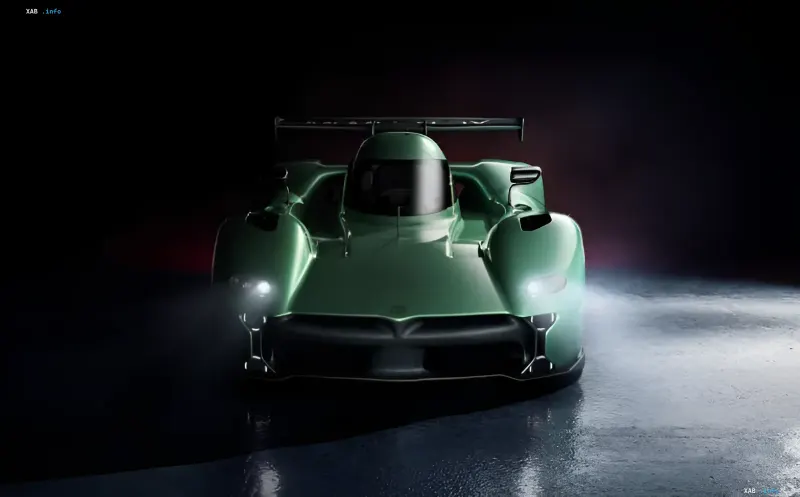
British engineering company McMurtry Automotive has officially announced the start of commercial production of one of the world's most technologically advanced vehicles — the single-seat electric track hypercar Spéirling Pure. This is not just another high-power race car; it is an engineering experiment that has become a reality. The car's main feature is a unique forced downforce system, allowing it to maintain its trajectory even on inverted surfaces.
The serial version of the car, available for order, is intended exclusively for use on closed circuits. The production run is limited to just 100 units, highlighting the model's status as an exclusive tool for professional testing and track days.
Downforce-on-Demand Technology: How the Vacuum Works
Unlike classic race cars, including Formula 1 machines, where downforce depends on speed and aerodynamic elements (spoilers, diffusers), the McMurtry Spéirling Pure uses the principle of active vacuuming. The system has been commercially named Downforce-on-Demand. This solution radically changes the physics of movement on the track.
The heart of the system is a turbofan unit. Two high-speed electric fans, rotating at up to 23,000 rpm, forcibly evacuate air from under the car's floor. To ensure the airtightness of this zone, movable aerodynamic skirts are used, located around the perimeter of the lower part of the carbon fiber monocoque. They create a seal between the chassis and the road surface, maintaining the vacuum.
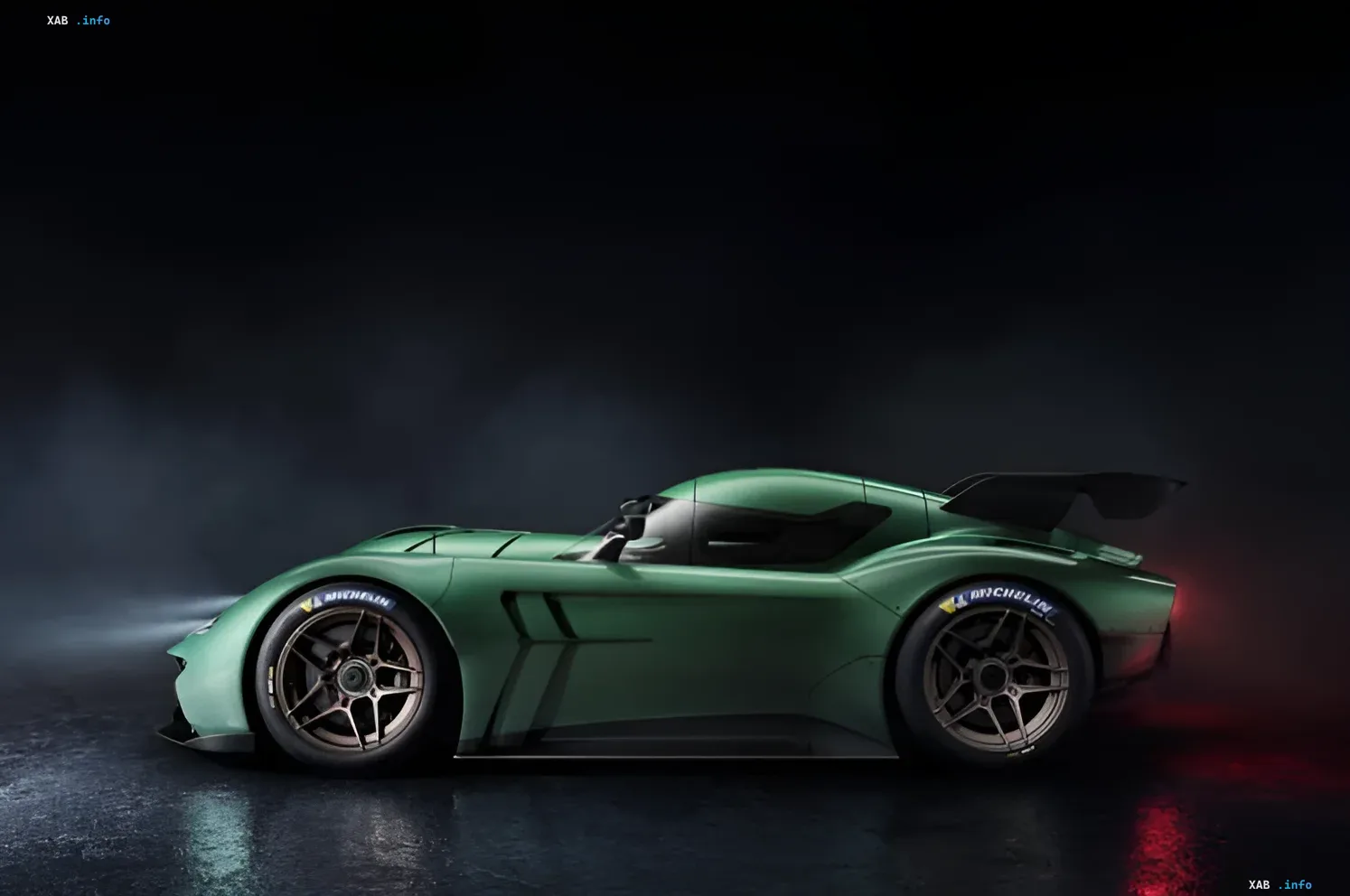
The result of the system's work is impressive: in a stationary state, the race car is capable of generating up to 2,000 kg of downforce. Considering that the curb weight of the electric car is less than 1,000 kg, the holding force exceeds the force of gravity by two times. It is precisely this physical surplus that theoretically allows the car to move along the ceiling, which was confirmed during prototype testing.
In the serial Pure modification, engineers refined the design to increase reliability: the geometry of the blower blades was optimized, improved fan electric motors were installed, and a built-in air compressor was added. The latter adjusts the height of the rear body protective element, which is critical when maneuvering at low speeds.
Dynamics and Powertrain
Under the hood of the Spéirling Pure lies a dual-motor electric powertrain, transmitting torque to the rear axle. The total power of the system reaches 1,013 hp (745 kW). Energy is provided by a 100 kWh traction battery pack, assembled based on high-current Molicel 21700 lithium-ion cells. An advanced liquid thermal regulation system is provided to maintain stable operation of components.
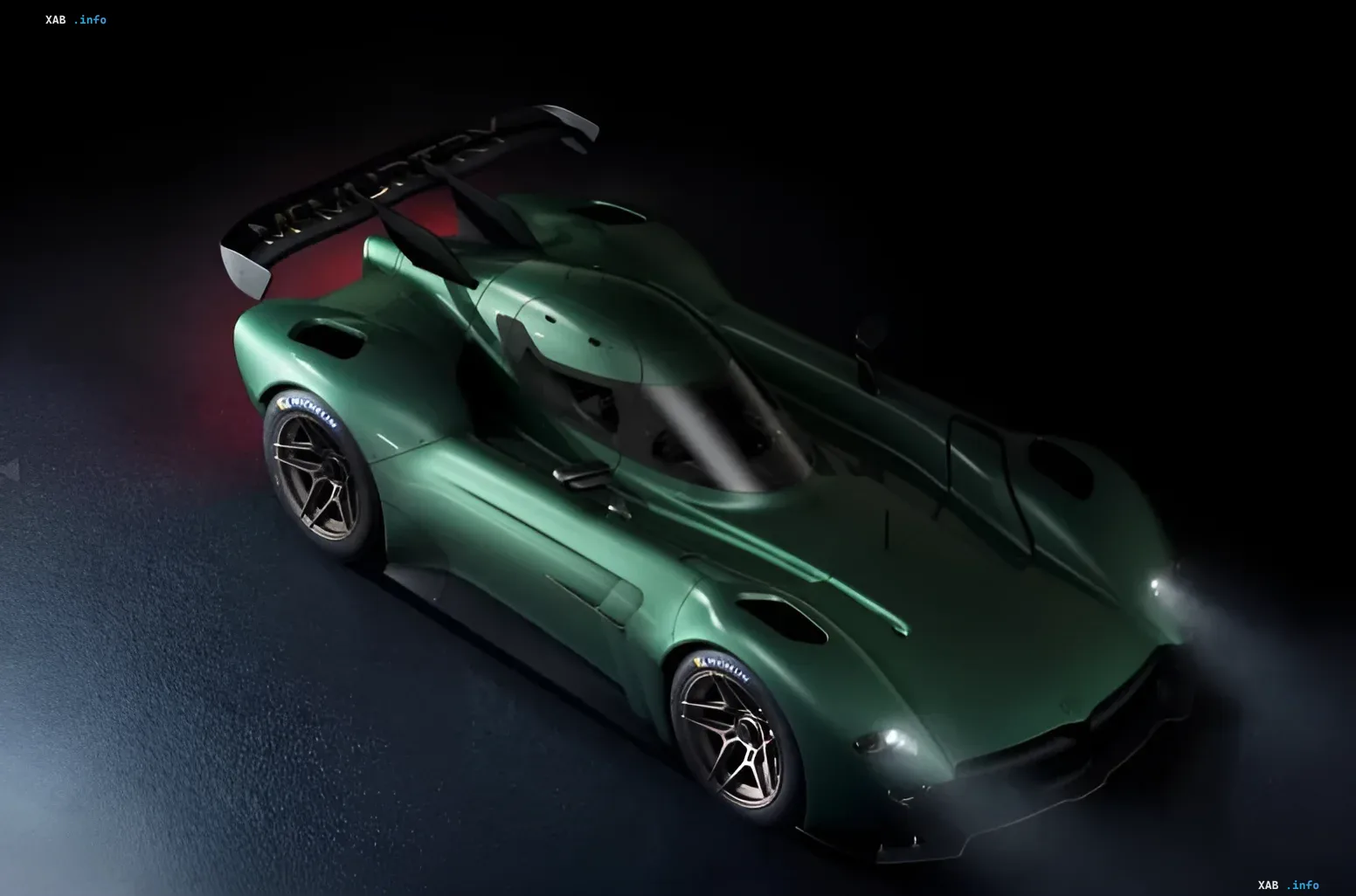
The operational characteristics of the race car are at the level of top racing prototypes:
- Acceleration 0–100 km/h: 1.55 seconds.
- Top speed: 306 km/h (electronically limited to preserve tire integrity).
- 1/4 mile distance: less than 8 seconds.
- Peak lateral G-forces: up to 3.0 g in corners.
- Track autonomy: up to 20 minutes of continuous racing in GT3 mode.
Commercial Status and Limitations
It is important to understand that the McMurtry Spéirling Pure is designed without regard for requirements for public road vehicles. The car is not subject to standard state registration and is not intended for use on city streets. This is a pure racing tool created for closed circuits.
The base cost of a unit, excluding regional taxes and individual customization options, is £995,000 (approximately $1.3 million). This makes the Spéirling Pure one of the most expensive and technologically complex track race cars on the market, available to a limited circle of enthusiasts and professional teams.
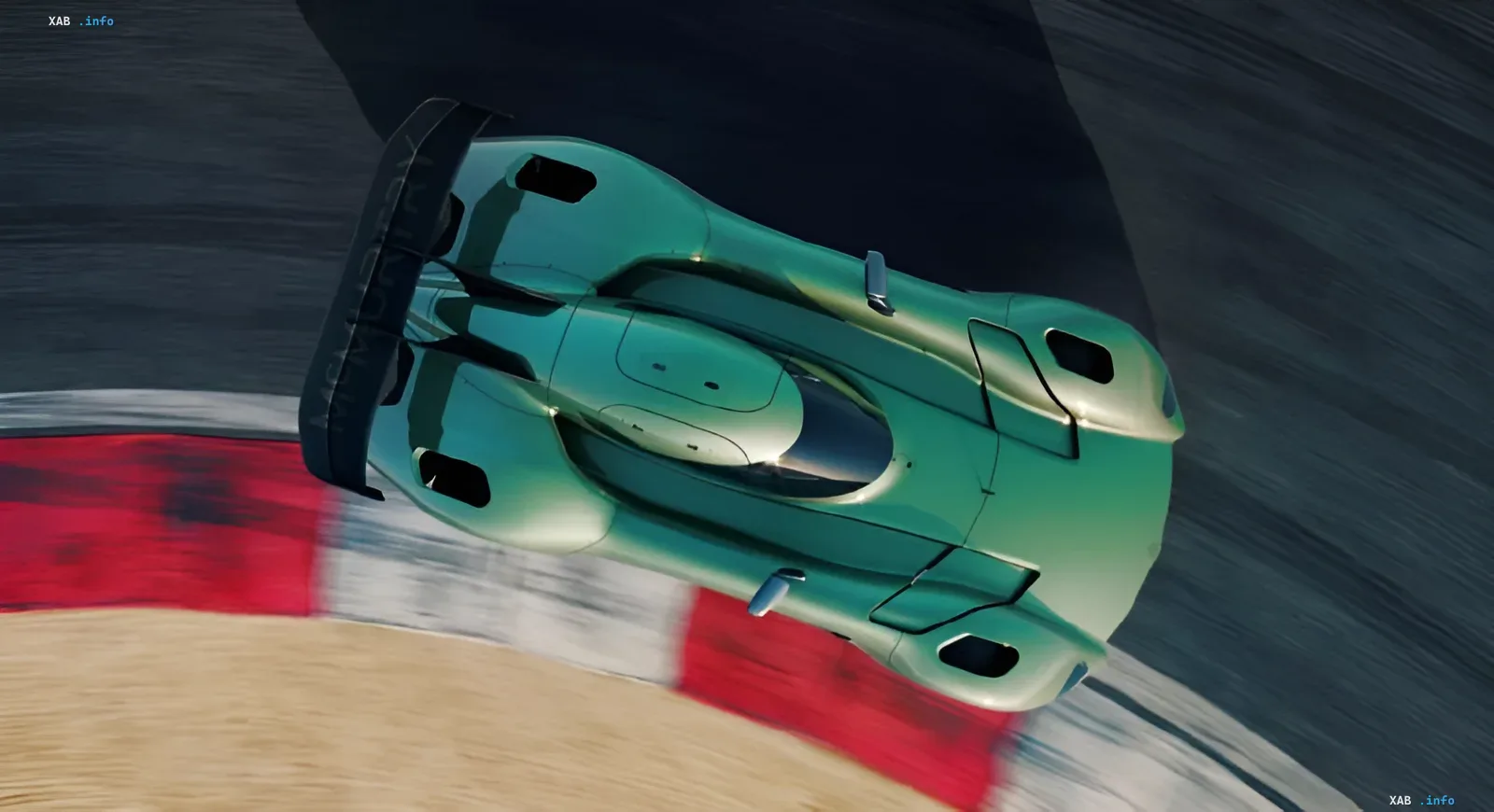
The start of serial production of the Spéirling Pure marks a new stage in the development of track technologies, where aerodynamics and vacuum physics take center stage, allowing cars to achieve performance levels that previously seemed impossible.