
Peace negotiations are always a delicate diplomatic endeavor where every minute is worth its weight in gold. However, according to new testimonies, the meetings in Istanbul between the Ukrainian and Russian sides were accompanied by unexpected diversions. Instead of purely political discussions, Russian negotiator Vladimir Medinsky turned the conference hall into a lecture hall on history.
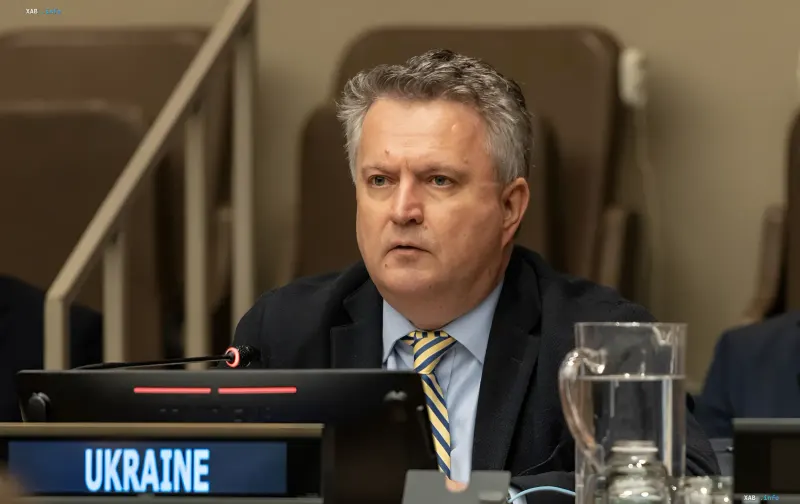
Details of these meetings were shared in an interview with RBC-Ukraine by the First Deputy Head of the Office of the President of Ukraine, Serhiy Kislitsa. According to him, the Russian delegation, particularly Medinsky, spent a significant amount of time presenting their own historical narratives.
"Audio Spam" About Turkish and Swedish Wars
Kislitsa described the atmosphere of the negotiations as cluttered with excessive talk. The Russian side, he said, constantly resorted to lectures, which the diplomat termed "audio spam".
"Overall, those Istanbul meetings were cluttered with such 'audio spam,' when from the Russian side there was a lot of lecturing, narratives," shared Serhiy Kislitsa.
When the journalist clarified whether these conversations concerned ancient nomadic peoples, such as the Pechenegs and Polovtsians, the diplomat specified the topics that interested Medinsky. The discussion revolved around the Turkish and Swedish wars, about "who did what to whom there".
Kislitsa emphasized that for the Russian President's aide, these historical excursions were extremely important. At the same time, he did not miss the opportunity to remind everyone of past scandals related to Medinsky's academic activities.
"Medinsky devoted a lot of time to various historical excursions, and for him this is very important, although we remember all the problems with his dissertations and plagiarism. So it's like, whatever makes a child happy," noted the Ukrainian diplomat.
Tactics of the Ukrainian Delegation
Faced with such an approach, the Ukrainian side did not enter into a polemic. Diplomats had previously developed a strategy of behavior to prevent the negotiations from being derailed by historical discussions.
"We had very coordinated work of our delegation; we had already agreed back then that we would not get involved in these historical discussions, that we would let the Russians vent and then try to return to the essence of the matter," Kislitsa said.
This tactic allowed Ukrainians to maintain focus on the main issues, despite the Russian side's attempts to steer the conversation towards historical parallels.
Context of the 2026 Negotiations
According to Kislitsa's report, several rounds of negotiations took place in 2026, alongside which additional work was carried out. A significant part of this activity was performed by the Secretary of the National Security and Defense Council of Ukraine, Rustem Umerov.
The diplomat noted a fundamental difference in 2026: even before the start of the Iranian campaign, the negotiations had already acquired the format of full-fledged trilateral meetings.
On the international stage, the topic of settlement remains hot. Earlier, US President Donald Trump, at the NATO summit in Ankara, compared the war in Ukraine to "a fight between two guys in a park," stating that work on a peace agreement continues, although the process is not easy.
Furthermore, media reports appeared stating that the Ukrainian authorities decided to abandon Trump's 28-point peace plan. Kyiv is seeking a new agreement with Russia, motivating this by the changing situation on the front lines.


