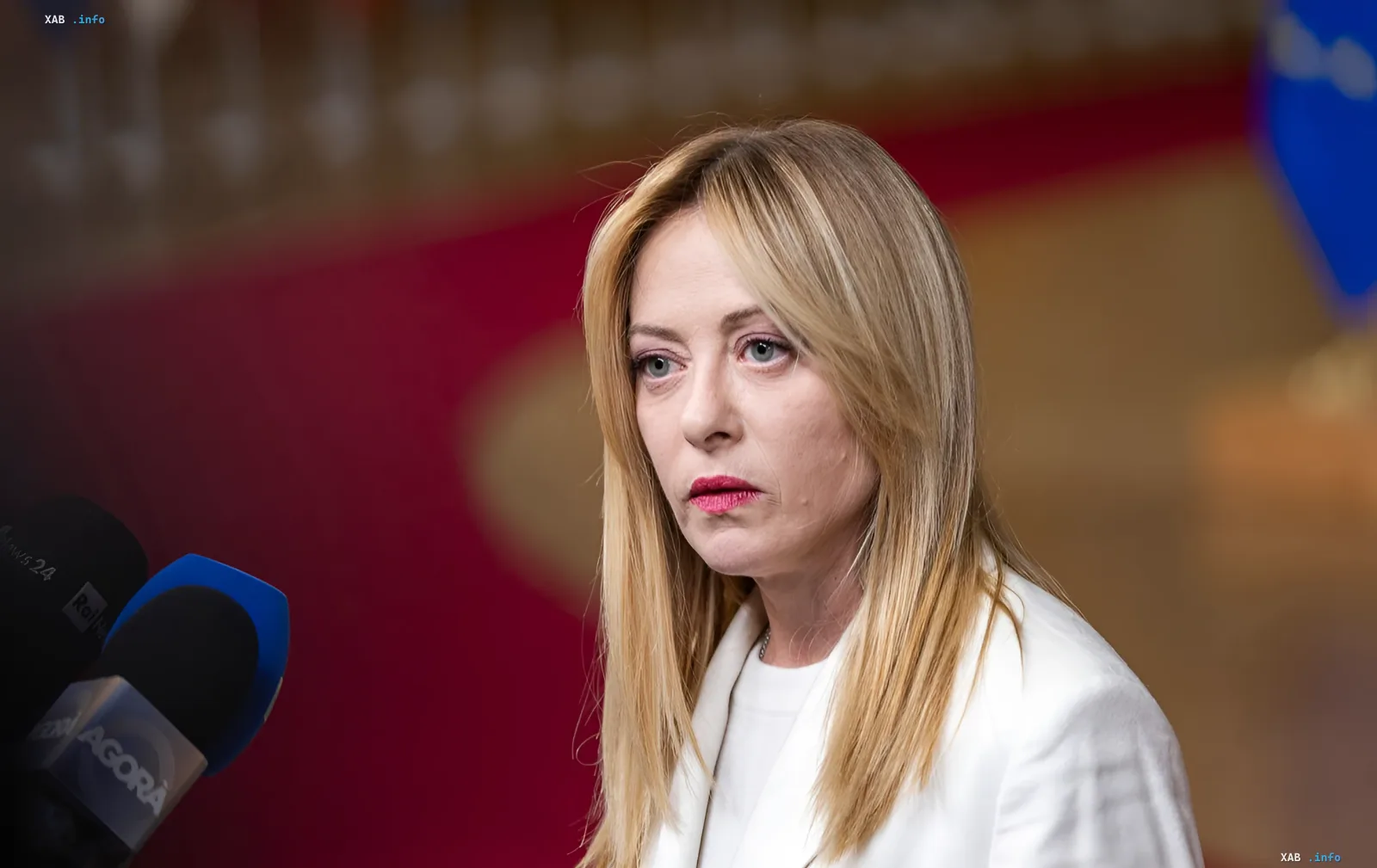
A fundamental shift is brewing in European diplomacy. Italian Prime Minister Giorgia Meloni has launched a sharp critique of the current architecture of negotiations with Moscow, stating that the European Union must appoint a single representative for the entire bloc to conduct peace talks with Russia.
According to the head of the Italian government, the current fragmentation of approaches leads to diplomatic weakness. Meloni called on Brussels to be pragmatic, noting that firmness towards Russia should not turn into "diplomatic blindness" or self-exclusion from the dialogue.
Crisis of legitimacy and "small formats"
The central point of Meloni's speech was the issue of legitimacy. She emphasized that currently, none of the existing narrow European formats has the right to speak on behalf of all of Europe. In the opinion of the Italian Prime Minister, the lack of a single voice creates only confusion and weakens the West's position.
"The real question is not who is part of this or that format, but that no format currently has the legitimacy to speak on behalf of Europe as a whole," Meloni commented on the situation.
These words came against the backdrop of a recent incident in London. The meeting of the leaders of the United Kingdom, France, and Germany with Ukrainian President Volodymyr Zelenskyy took place without an invitation for Italy. It was this event that became the catalyst for Meloni's criticism of "small formats," which, in her opinion, exclude key players from the decision-making process.
Warsaw's reaction and support for Kyiv
Rome's initiative did not go unanswered. Polish Prime Minister Donald Tusk also spoke about the format of negotiations. He emphasized that any discussions on ending the war in Ukraine must take place with the mandatory participation of Poland. Warsaw warned against attempts at too rapid dialogue with Russia, calling such initiatives risky.
Despite the criticism of diplomatic methods, Rome confirmed its unwavering position on supporting Ukraine. Meloni stated that Italy would continue to actively support the defense and energy systems of the partner country.
Recall that on June 7, a meeting of the "troika" leaders (United Kingdom, France, Germany) with Volodymyr Zelenskyy took place in London. During these negotiations, five key conditions for achieving peace were formulated, which were put forward to Russia. Now, amid growing pressure to create a single negotiating position, the EU faces a choice: maintain fragmented approaches or consolidate efforts in the person of a single representative.


