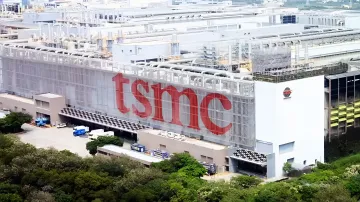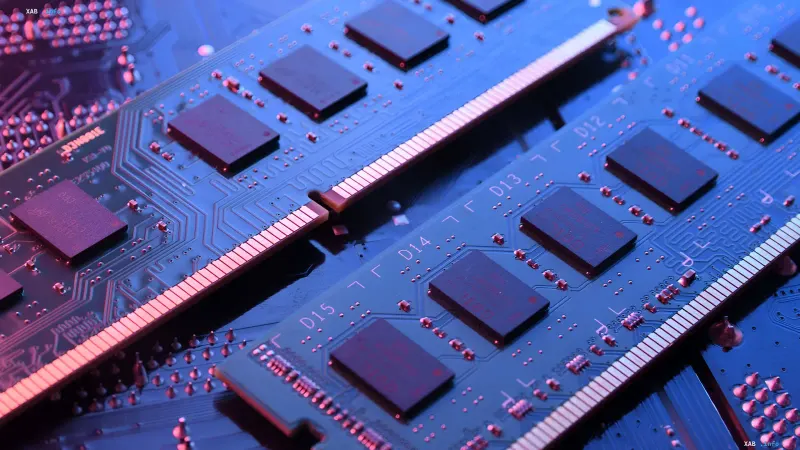
The global microelectronics industry is experiencing a period that can be characterized as an "investment marathon." Major players in the memory market, driven by the euphoria of artificial intelligence success, are investing colossal sums to expand production capacity. Industry giants such as Micron, Samsung, and SK Hynix are demonstrating aggressive expansion, effectively ignoring the industry's historical cyclical downturns.
However, behind the facade of optimism lie worrying signals. Leading industry analysts warn: if the current pace of building new fabs continues, the DRAM semiconductor memory market could face catastrophic overproduction by 2028.
The AI Optimism Trap
The main driver of the current boom is the belief in infinite growth in demand for artificial intelligence technologies. Manufacturers are convinced that the need for high-speed memory (specifically in the HBM — High Bandwidth Memory format) will grow exponentially, absorbing any volume of output.
Experts, however, remind us of the fragility of this model. Demand for memory is critically dependent on data center (DC) utilization. In the event of even a short-term drop in interest in deploying AI infrastructure or market saturation, manufacturers' revenues could plummet instantly. The memory market is historically known for its volatility, and the attempt to "outplay" this cycle through massive investments looks like a risky bet.
Michael Burry vs. the Trend
Skepticism regarding the current situation is shared not only by analysts but also by experienced investors. Famous investor Michael Burry, nicknamed "The Wolf of Wall Street" for predicting the 2008 crisis, openly calls the current investment boom a harbinger of a downturn. Burry believes the market is overvalued and is betting against Micron stock, expecting a correction.
Such a position highlights the seriousness of the risks: if major players continue to ramp up capacity while experienced speculators begin to close positions, this could signal an imminent trend reversal.
The China Factor and the Threat of Overproduction
The situation in the market is exacerbated by the aggressive expansion of Chinese manufacturers. Beijing is actively subsidizing its semiconductor industry, striving for technological sovereignty. Production volumes of Chinese companies are growing rapidly, creating additional pressure on the global market.
By 2028, when new factories in Asia and other regions come online en masse, the supply of memory could far exceed actual demand. This threatens a price collapse and a liquidity shortage for manufacturers who have taken on huge debt obligations to build fabs.
Despite the existence of long-term contracts and a shortage of qualified personnel, which currently restrains the pace of reaching full capacity, the fundamental threat remains. The industry risks facing severe overproduction when new capacities fail to find sufficient buyer demand, turning a "gold rush" into a liquidity crisis.