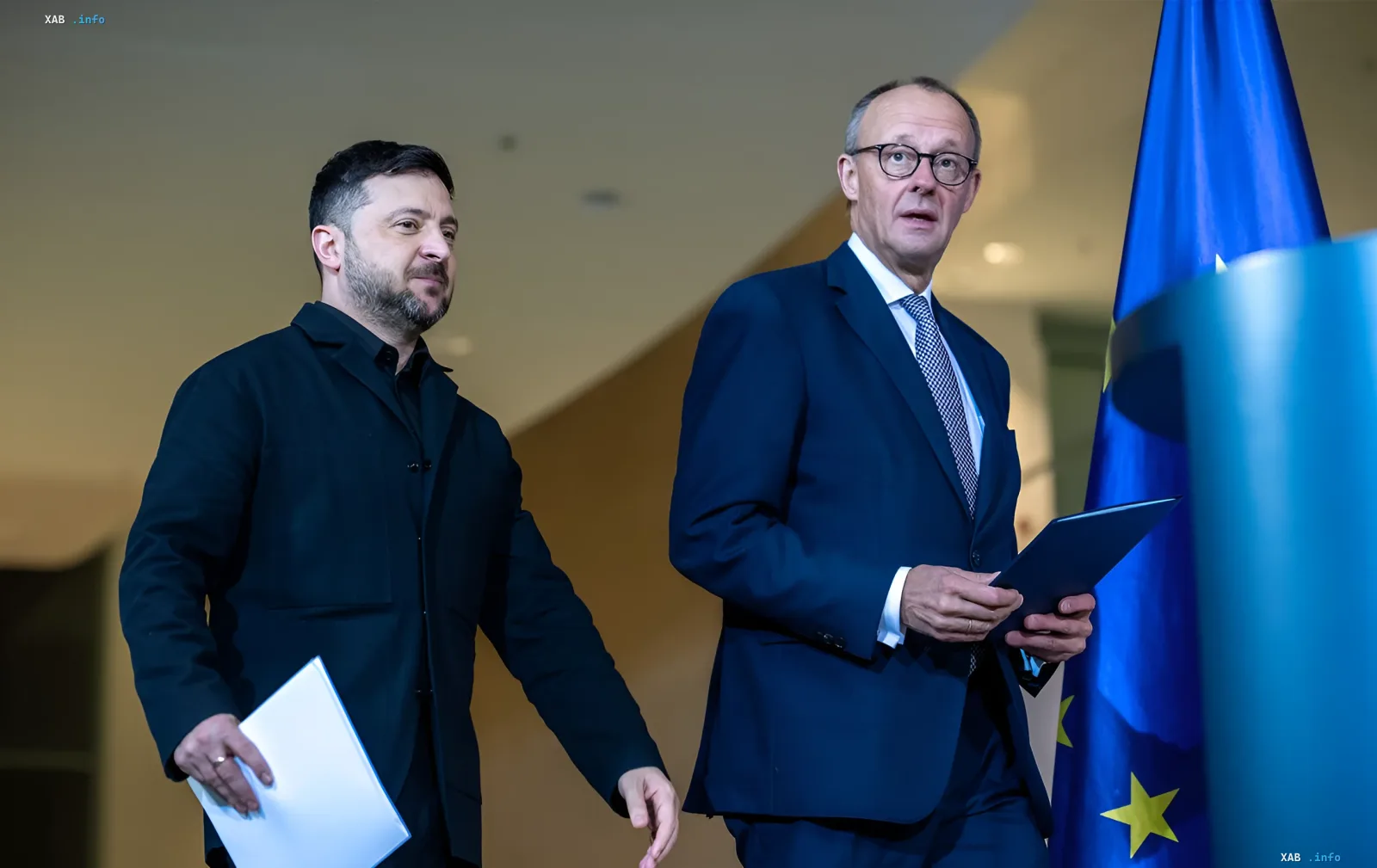
German Chancellor Friedrich Merz stated that a 'window for diplomacy' may finally open regarding a ceasefire between Russia and Ukraine. This was reported by The Guardian, citing his remarks ahead of the G7 summit.
Dialogue with Trump and the G7 Summit
Merz emphasized his desire to discuss this topic with US President Donald Trump, who will also attend the G7 summit in Évian-les-Bains, France, from June 15–17. According to the German leader, this may be a unique moment to initiate negotiations that could lead to the end of the war.
Kyiv's Position: Strengthening on the Front and a Meeting Proposal
Ukrainian positions along the line of contact have recently strengthened. As Ukrainian President Volodymyr Zelenskyy reported, Russia loses approximately 30,000 soldiers killed and wounded every month. In this context, Zelenskyy sent a letter to Russian leader Vladimir Putin proposing a meeting to discuss ending the war.
However, the Kremlin chief declined, stating he 'sees no point' in a meeting between leaders. As an argument, he once again cited the incident involving a Ukrainian strike on a college dormitory in Starobelsk, Luhansk region—an event Moscow uses as a pretext to refuse dialogue.
Ukraine's Proposal and Moscow's Reaction
According to an RBC-Ukraine source, Kyiv previously proposed that Russia hold a leaders' meeting within the framework of the G7 summit. In response, Moscow issued a standard demand: Zelenskyy could come to Moscow if he wants a meeting. Such a format is obviously unacceptable to the Ukrainian side, given the current situation and the status of the conflict.
Retaliatory Strike on Kyiv
Shortly before this, Russia launched a massive strike against Ukraine. As an RBC-Ukraine source reported, Kyiv believes this was, to some extent, a response to the meeting proposal. The strike heightened tensions and demonstrated that Moscow is not yet ready for compromise, even amidst signals from Western partners.
What's Next?
The situation remains extremely tense. On one hand, there are signals from Germany and potential US support via Trump. On the other, there is the Kremlin's hardline stance, which continues to use military actions and rhetorical arguments to block any attempts at a diplomatic breakthrough. The future depends on how successfully Western leaders can coordinate their efforts and convince Moscow of the necessity of dialogue—or whether the conflict will continue to escalate.


