

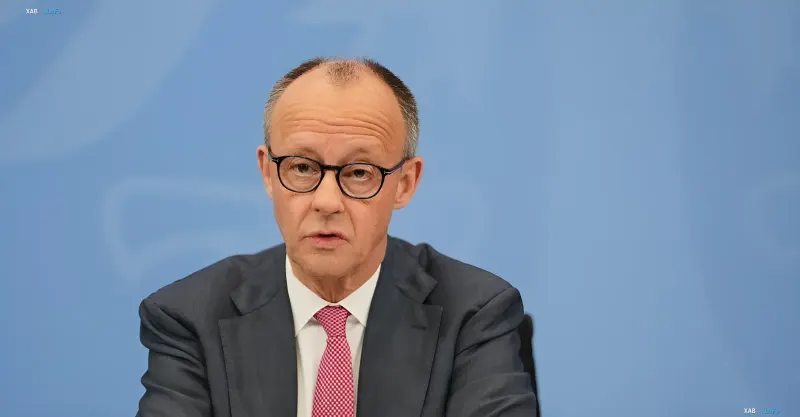
In Ankara, following the 36th summit of the North Atlantic Alliance held on July 7–8, 2026, a statement was made that could radically change the architecture of European security. German Federal Chancellor Friedrich Merz officially acknowledged the existence of a systemic deficit in the segment of long- and medium-range missile armaments. In response to this challenge, Berlin announced an emergency plan for the deployment of its own long-range weaponry, aimed at eliminating the technological gap at an accelerated pace.
From Declarations to Real Capabilities
The address by the head of the German government was a reaction to the current geopolitical reality. Merz stated that the level of global risks requires European allies to immediately transition from words to deeds. The main emphasis in the new strategy is placed on creating sovereign European systems of high-precision weaponry. This is necessary to balance the deterrent potential on the continent and not rely solely on supplies from across the ocean.
The Chancellor emphasized that the modernization of missile potential will become a key element of the updated architecture of collective security. Within the framework of this strategy, European capitals are taking on increased financial and operational commitments, striving for greater autonomy in defense matters.
End of Disproportion: Europe Takes on the Costs
A significant aspect of the summit was the recognition of structural changes in the distribution of the financial burden within the alliance. Friedrich Merz acknowledged the validity of years of criticism from the US administration, including statements by President Donald Trump, regarding the disproportion in military spending. For a long time, the bulk of the material support for collective defense fell to Washington.
According to verified data from the NATO headquarters report, the situation is changing. The dynamics of funding defense programs by European participants demonstrate significant growth. If previously the ratio of US and European spending was 80% to 20%, the plan adopted in Ankara is aimed at achieving a parity in the distribution of the burden.
The key indicators of the NATO budget transformation are as follows:
- Additional spending by European countries: An increase of €100 billion per year compared to the baseline level has been recorded.
- Defense budget of the FRG: Germany met the standards of the Hague summit, reaching a spending level of 2% of GDP, which ensured stable financing for long-term contracts.
- Procurement integration: New funds are being integrated into national procurement programs to ensure technological sovereignty.
Ukraine: €70 Billion and Request for 'Patriots'
A separate block of the agenda was the discussion of military-technical support for Ukraine. Within the framework of the consolidated summit strategy, a commitment was recorded to allocate a coordinated aid package totaling €70 billion annually for the period 2026–2027. Friedrich Merz clearly outlined the strategic course: Berlin and its allies rule out the possibility of a Russian Federation victory in the current conflict, so supply programs for defense forces will continue.
Parallel to financial commitments, issues of direct protection are being resolved. The Ukrainian delegation, led by President Volodymyr Zelenskyy, updated the list of critical needs. Official Kyiv sent partners requests for the emergency transfer of additional surface-to-air guided missiles and MIM-104 Patriot SAM batteries. This is necessary to protect civilian and industrial infrastructure from ballistic system strikes.
The American side, represented by Pentagon officials, confirmed receipt of the nomenclature lists. The adoption of final operational decisions on the allocation of material components from the reserves of the US Armed Forces Command is at the stage of inter-agency coordination in Washington. The process is coordinated within the framework of multilateral agreements on joint logistics signed at the summit.
Legal Basis of the New Strategy
Coordination of defense procurement and the deployment of weapon systems are carried out by NATO member states on a strict legal basis. The actions of the alliance are based on Article 3 of the North Atlantic Treaty, which prescribes that participants maintain and develop their individual and collective potential to resist armed attack. All processes are implemented in accordance with national legislative procedures for export control, ensuring the legitimacy of the measures taken.


