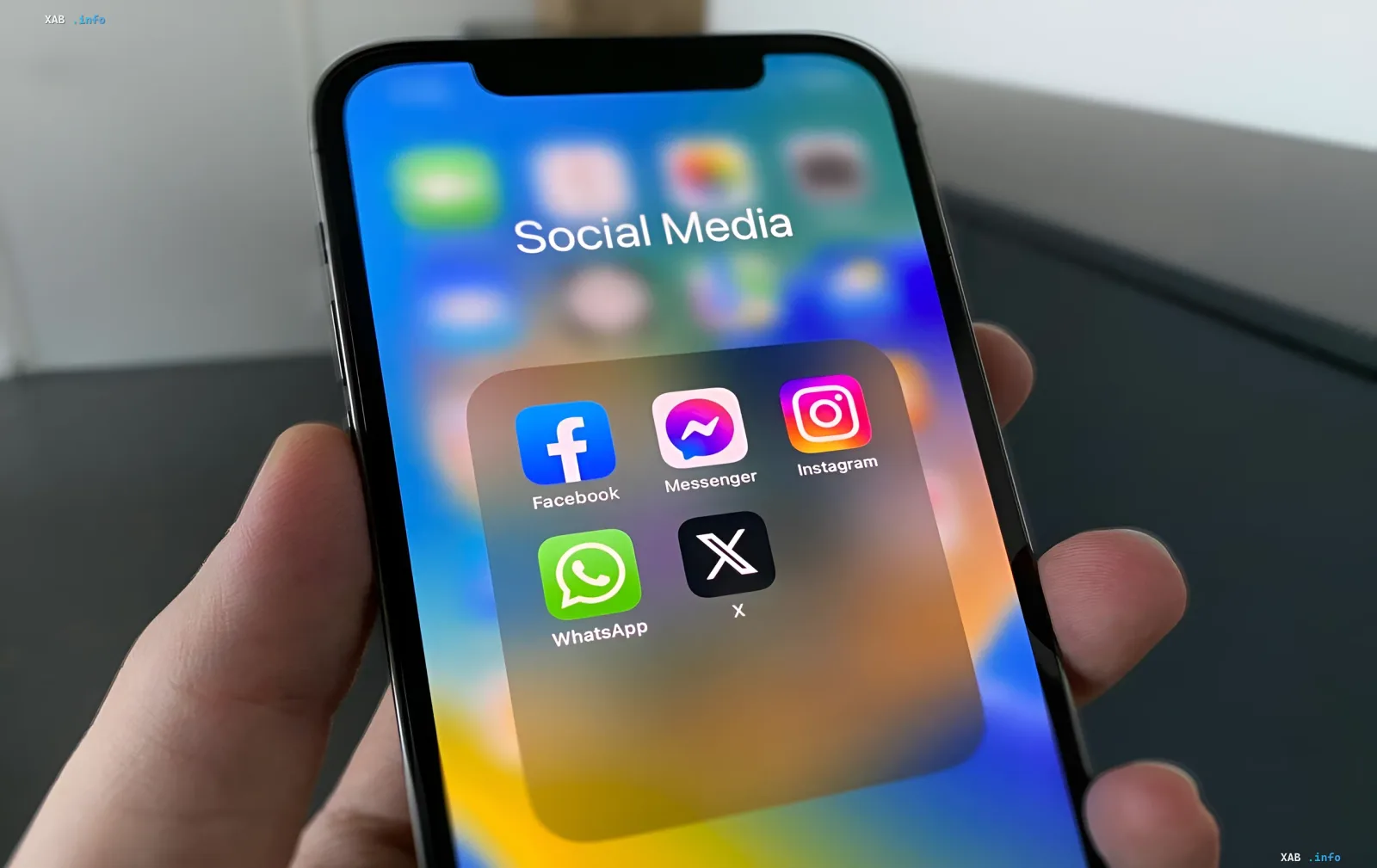
Meta has officially unveiled its new paid subscription, Meta One, which bundles expanded access to artificial intelligence features across three key services — Instagram, Facebook, and WhatsApp. Unlike the previously available Meta Verified program, which was aimed primarily at bloggers and public figures, the new service is designed for everyday users. The strategic goal behind the launch is clear: to monetize the mobile experience of millions of people and partially offset the enormous costs of AI development and infrastructure. The Meta One subscription effectively consolidates the previously separate pilot plans — Instagram Plus, Facebook Plus, and WhatsApp Plus — into a single package with enhanced AI capabilities. At the same time, free use of Meta AI within the apps will be retained, but it will be subject to strict limits.
Pricing tiers: from $3.99 to $499 per month
For regular users, Meta has set up a three-tier scale. The basic Instagram Plus subscription is priced at $3.99 per month, the core Meta One Core plan at $7.99, and the advanced Premium plan with the highest AI limits at $19.99 per month. A separate four-tier system has been created for creators and businesses: the Essential plan, which includes a verification badge and the Business Agent AI bot, starts at $14.99 per month, the Advanced tier costs $49.99, and the corporate Expert and Max plans for large teams are priced at $149 and $499 per month, respectively. This differentiation allows the company to reach both the mass user and large commercial teams.
Financial context: why the launch came at exactly this moment
The introduction of paid tiers coincided with noticeable financial pressure on the tech giant. In its latest quarterly report, the company recorded a drop in free cash flow of $8 billion compared to the same period last year — and the reason lies in its massive investments in AI technology. Additional strain is coming from the Reality Labs division, which works on the metaverse: in just the last quarter, its operating losses reached $4.62 billion, and cumulative losses over six years have exceeded $80 billion. Against this backdrop, monetizing AI features through a subscription looks like a logical tool for balancing the budget.
Contradictory data
When comparing sources, a discrepancy emerges in how the scope of the provided features is described. According to some publications, the Meta One subscription grants access to 50 artificial intelligence features, while other sources characterize the package as including "all paid features" of Instagram, WhatsApp, and Facebook plus a separate Muse component. The basic service description uses a more general formulation — "enhanced AI capabilities" — without a precise quantitative reference. Thus, the fact of the launch and the pricing structure are consistent across sources, however, the exact list and number of AI features, as well as the role of the Muse component, are described inconsistently, and no single official figure on the volume of features has been recorded as of publication.
What this means for the audience
For the end user, the key change is that basic access to Meta AI remains free, but with strict limits, while the unlimited or expanded usage scenario is moved into the paid tier. For creators and businesses, the subscription becomes a single point of entry: verification, the AI agent, and advanced analytics tools are combined into one package. In the medium term, whether Meta can turn AI features into a sustainable revenue stream and reduce its dependence on the advertising model amid rising capital expenditures will depend on how the audience reacts to the new prices.