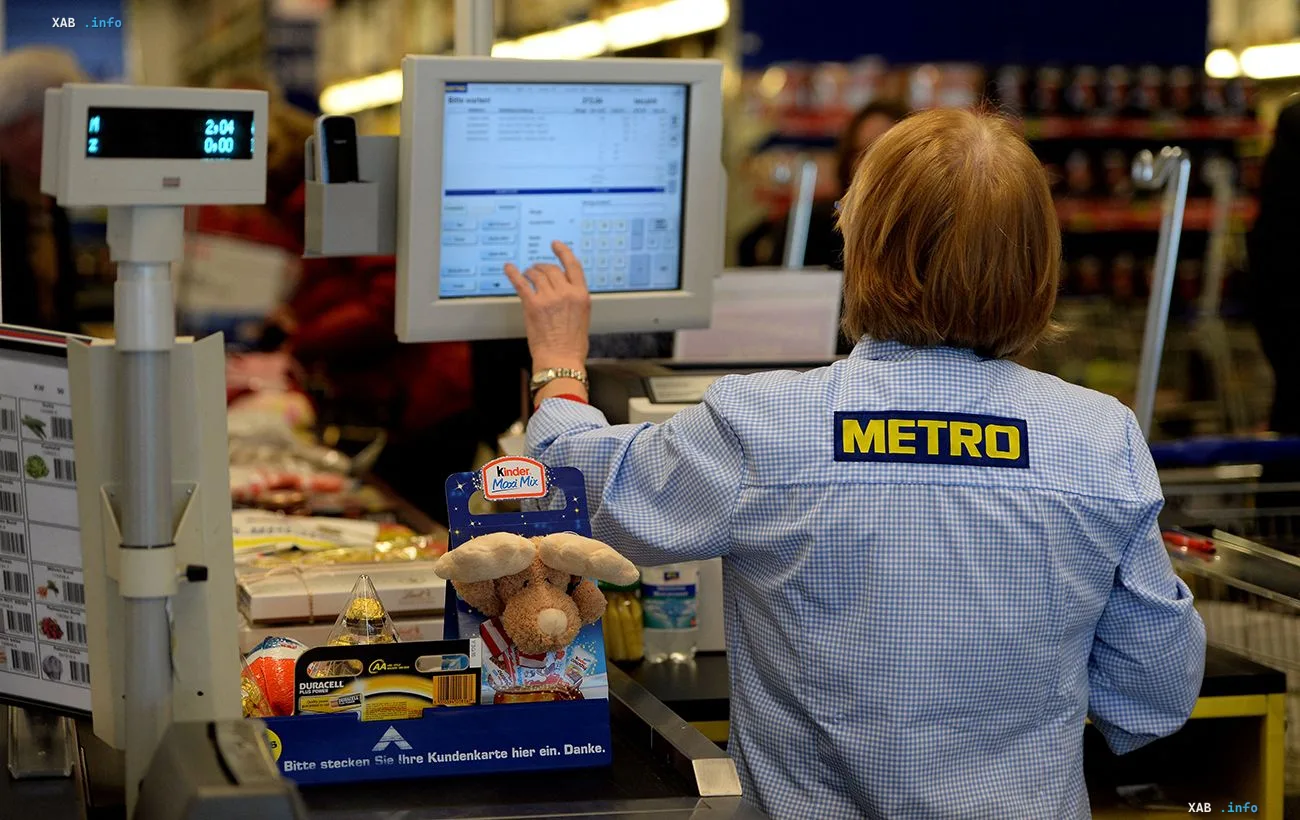
Exchange rate fluctuations and rising operating costs are forcing Ukrainian restaurant and hotel businesses to count every hryvnia more carefully. In these conditions, a low purchase price no longer guarantees overall profitability if you do not factor in time costs, logistics, and the volume of waste. Valentina Kutova, Commercial Director of METRO Ukraine, explained in an author column for RBC-Ukraine how private labels (PL) give establishments additional levers for managing the full cost of goods, not just savings on the price tag.
What modern private labels are and why their time has come
Modern private labels have long ceased to be simply a "cheap copy" of a well-known brand. They cover different price segments and are created to meet specific customer needs: from end consumers in the retail segment to professional operators in the hotel and restaurant market (HoReCa). Nevertheless, in the public perception, private labels are still associated above all with a lower price. Kutova emphasizes that savings in this model are built from several structural factors, not from a single "discount" component.
Two sources of savings: marketing and consolidated purchasing power
The first source of savings is the absence of a large-scale marketing component. The price of a major international brand includes not only the cost of raw materials, production, and logistics, but also significant marketing expenses, which in certain categories can amount to around 10% or more. In private labels, this component is minimal: it is the brand of the retail chain itself, not a global brand requiring multi-million advertising budgets. The second source is consolidated purchasing power. METRO runs a wholesale business in more than 20 countries and aggregates purchase volumes across different markets, which strengthens its negotiating position on quality standards and supply reliability and allows it to obtain a more competitive and predictable purchase price. At the same time, private label products are often produced by the same manufacturers that work with well-known A-brands in Ukraine, Europe, and Asia — the level of production expertise and quality control remains comparable, but without the branded markup.
Currency risk and logistics optimization
Kutova frankly acknowledges: private labels do not "eliminate" currency risk, especially when it comes to imports. However, thanks to centralized purchasing, large volumes, and long-term agreements with manufacturers, businesses gain more opportunities to manage the purchase price and plan the cost of goods even during periods of an unstable exchange rate. A concrete example of such management is the optimization of packaging for METRO's own brands: a smaller packaging volume during transportation and storage simplifies logistics and warehouse operations. According to the company's estimate, this can affect 1–4% of the product's cost of goods — a figure that, at the scale of a large HoReCa operator, adds up to a significant annual saving.
Total cost of ownership: the Smart Chef principle
The third and, in Kutova's words, perhaps the most important advantage of private labels for HoReCa is the ability to assess not the price on the tag, but the total cost of using the product. In METRO, this principle lies at the core of the Smart Chef category. The logic is simple: the product price is just one item in the chain that determines the real cost of a finished dish. Then come the product yield, the amount of waste, the time a cook spends on preparation, storage conditions, and electricity costs. A product that at first glance seems more expensive may turn out to be cheaper in the end if it provides a higher yield, less waste, and saves staff time. The same logic can be applied by a professional client to their own purchases: a simple comparison of two prices — the manufacturer's brand and the chain's private label — rarely gives the full picture. Real savings come from a smaller number of intermediaries, more efficient logistics, a stronger purchasing position, and the time a business spends on purchasing itself.
Myths about private labels and real control over the product
One of the most common myths is that a private label is a copy of a well-known brand: the same product, different packaging, and a lower price. The second myth is that the private label range in different chains is roughly the same. In reality, the model works differently. The difference between a classic distributor and a major market operator, such as METRO, lies in the level of control over the product: a distributor mainly builds its range from ready-made manufacturer brands, whereas a major operator can influence the characteristics of the product itself — the recipe, format, packaging, weight, taste profile, and shelf life. Before launching a new private label product, the METRO team, according to Kutova, asks itself three main questions aimed at creating additional value for the customer, rather than mechanically replicating an existing market offering. METRO's private label range is oriented toward different audiences and use scenarios, with consistently high quality and predictable parameters from batch to batch remaining the key characteristics.
Contradictory data
No significant factual contradictions were found in the provided sources. Valentina Kutova's column was published in RBC-Ukraine and represents the expert opinion of the Commercial Director of METRO Ukraine. The specific quantitative estimates — around 10% marketing component in the price of an A-brand, 1–4% impact of packaging optimization on the cost of goods, presence in more than 20 countries for METRO — are internal company estimates and have not been confirmed by an independent audit. This does not make them incorrect, but readers should bear in mind that the figures reflect corporate analytics rather than the results of an independent study.