
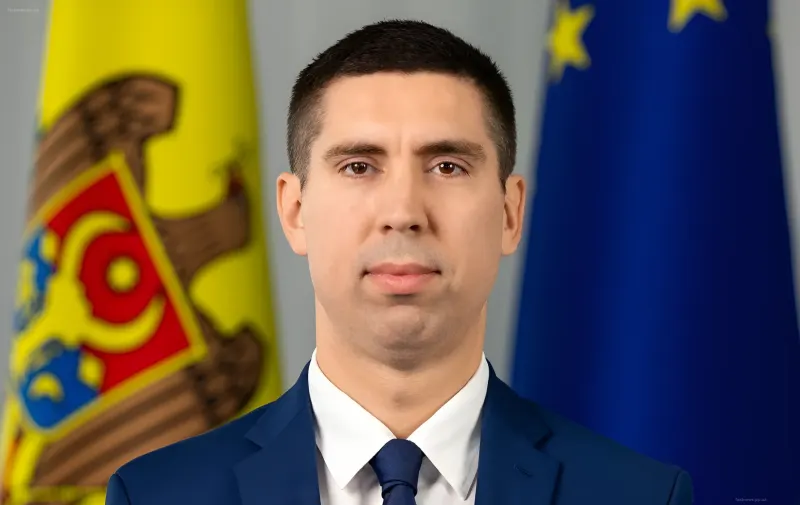
The question of the possible accession of the Republic of Moldova to the North Atlantic Alliance remains one of the most pressing issues in the country's contemporary politics. Despite the deterioration of regional security and the ongoing war in neighboring Ukraine, the Foreign Minister of Moldova, Mihai Popșoi, acknowledged that joining NATO is currently unlikely. He cited the lack of broad support from civil society as the key reason.
Political reality versus personal convictions
The Minister of Foreign Affairs emphasized that the decision to join any international structure, including NATO, must be based on the will of the citizens. Popșoi noted that such support is currently absent, and it would be premature to include the issue on the agenda. However, the diplomat does not hide his personal convictions: he is a sincere supporter of Euro-Atlantic integration.
"For me, the North Atlantic Alliance means security. After university, my first job was at the NATO center in Chișinău. I am a sincere supporter of everything related to Euro-Atlantic security," Popșoi stated. He is convinced that only membership in the Alliance can provide real security guarantees for Moldova.
According to the minister, the topic of NATO is often avoided in the political establishment, and politicians shy away from raising this issue. Popșoi called on civil society and the media to discuss this topic more often to "lift the taboo" and allow society to weigh the prospects.
The figures speak for themselves
The minister's words are confirmed by sociological research data. According to a poll conducted by iData in May of this year, the majority of Moldovan citizens are against joining NATO. The results are as follows:
- 54.5% of respondents do not support the idea of membership in the Alliance.
- 33.6% of citizens voted "for" accession.
This gap in public opinion explains the caution of the official authorities. Despite the fact that the country's leadership declares its aspiration for a Euro-Atlantic vector, concrete steps to join the military bloc are blocked by the lack of a mandate from the population.
EU priority and external prospects
While the NATO question remains open and deferred, Moldova is actively moving towards joining the European Union. The head of EU diplomacy, Kaja Kallas, recently stated that the EU is ready to accept Moldova quickly, noting that there are currently no opponents to this process within the bloc.
In addition to integration with the EU, more radical scenarios are being discussed in the region. In Romania, proposals for a possible unification with Moldova are periodically heard. However, experts and officials emphasize that such a scenario is possible only if Chișinău itself is interested in such a step and if it does not contradict the interests of the Moldovan state.


