
Military service, university education, or work in law enforcement agencies — all of this can be included in pension work experience. But only if certain conditions are met. Lawyer Yevhen Bulymenko, interviewed by RBC-Ukraine, explained exactly how these periods are taken into account when granting a pension.
What is insurance work experience and why is it important
Insurance work experience is the period during which a person paid monthly insurance contributions of at least the minimum amount. It is this indicator that becomes the basis for calculating the future pension. Territorial bodies of the Pension Fund calculate work experience based on data from the personalized accounting system.
Important: the personalized accounting system did not start working immediately. The norm regarding the calculation of work experience based on this data only came into force on January 1, 2004. Before this period, calculations were made differently — based on paper documents and certificates.
What is included in work experience besides official employment
According to the lawyer, work experience includes not only official employment. It also includes:
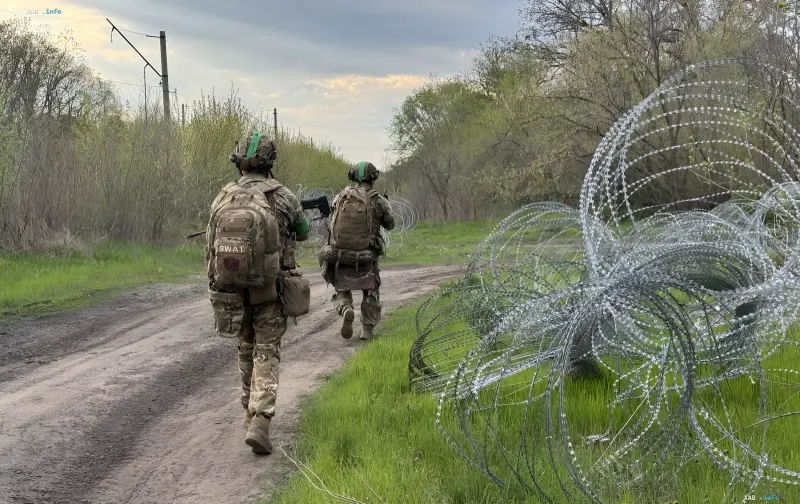
- Military service;
- Service in partisan units and formations;
- Service in state security, internal affairs, and National Police agencies (regardless of location);
- Education in higher and secondary specialized educational institutions;
- Courses for personnel training, professional development, and retraining;
- Postgraduate studies (aspirantura) and doctoral studies (doctorantura).
This norm is enshrined in items "v" and "d" of Part 3 of Article 56 of the Law "On Pension Provision". That is, years spent in the army, at universities, or on professional development courses do not drop out of the work experience — they count towards the total.
Why the pension does not always increase after age 60
Previously, RBC-Ukraine reported why a pension supplement might not be received even after the age of 60. Early retirement does not yet guarantee an automatic increase in payments. The law does not provide for such a mechanism. The amount can only be increased by accumulating additional work experience or through annual indexation.
What happens if the employer fails to pay the UESV
Separately, it is worth noting the risks associated with the employer's failure to pay the Unified Social Contribution (UESV). Without these contributions, a person risks being left not only without a future pension but also without sick leave certificates, unemployment benefits, and other social guarantees. Therefore, monitoring the correct calculation of the UESV is an important part of protecting one's pension rights.
Thus, military service, studies, and work in law enforcement agencies can indeed be taken into account when calculating a pension — but only if there are supporting documents and legislative norms are complied with. Citizens are advised to carefully check their data in the personalized accounting system and correct errors in a timely manner.


