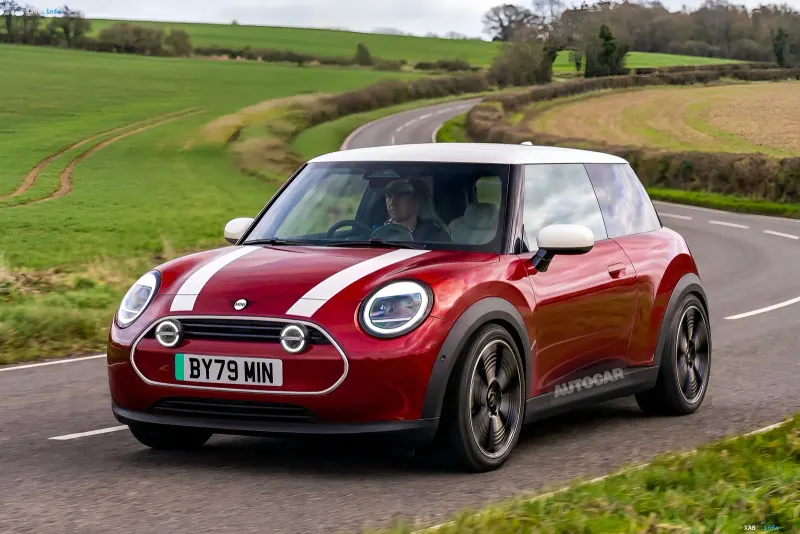
The British automotive brand Mini, part of the BMW Group, is preparing for one of the most significant changes in its history. According to Autocar, the next generation of the iconic Mini Cooper hatchback may abandon the traditional front-wheel drive in favor of rear-wheel drive. This decision would mark the most radical shift for the brand in the last thirty years and fundamentally alter its technical philosophy.
The End of the Front-Wheel Drive Era
Since the brand's revival in 2001, all Mini models have been built on a front-wheel drive platform. However, by 2026, BMW engineers are considering a switch to a new architecture. The current fourth-generation Mini Cooper, launched in 2024, was offered in both petrol and electric versions. Although its direct competitor was considered to be the Fiat 500e, pricing policy forced Mini to compete with larger and more technologically advanced models, such as the Peugeot e-208 and Cupra Born.
In response to fierce competition, the brand's management has already taken measures to lower prices and announced an upcoming facelift for the current model. Nevertheless, the medium-term strategic plan implies a complete move away from the old base in favor of a new platform.
Technological Base: BMW Gen 6 Platform
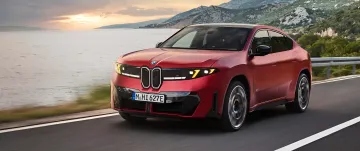
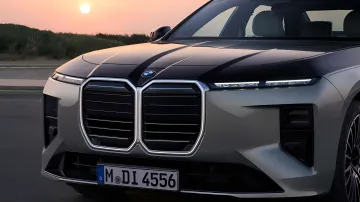
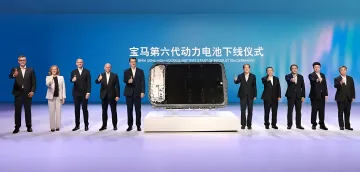
The key factor behind the drive change is the integration of Mini into the broader BMW ecosystem. In the future, the hatchback will move to the new "Gen 6" (Generation 6) platform developed by the parent company. This architecture was originally created for the BMW "Neue Klasse" (New Class) family of electric vehicles, including the iX3 SUV and the upcoming i3 sedan.
It is important to note that the Gen 6 platform is designed exclusively for a rear-wheel drive configuration. BMW engineers do not plan to develop a separate compact transmission for the front axle, making it impossible to maintain front-wheel drive on the new base. This forces Mini to rethink its long-standing concept of a "go-kart for the city".
From Chinese Partnership to German Roots
Currently, the electric version of the Mini Cooper is produced in China on a special platform created in partnership with Great Wall Motor. This base is also used for the Aceman crossover. However, BMW's strategy is focused on unification and regaining control over key technologies.
The transition to the Gen 6 platform will allow Mini not only to change the drive system but also to improve the car's dynamics, bringing it closer to the sporting characteristics inherent in classic BMW models. This decision will also simplify production chains and reduce development costs in the long term.
Contradictory Data
While the Autocar source is confident in the switch to rear-wheel drive, there are nuances in the interpretation of timelines and the scale of changes. On the one hand, it is stated that this will be the "most radical shift in 30 years". On the other hand, the current generation (2024) is still actively being sold and is preparing for a facelift, creating a time gap between the old and new strategies.
Furthermore, it is unclear whether rear-wheel drive will be applied to all versions of the future Mini, or if petrol modifications will retain front-wheel drive on the old platform during the transition period. So far, only the intention to use the Gen 6 platform for electric vehicles has been confirmed, which implies rear-wheel drive, but the implementation details for the entire model range remain a subject of discussion.