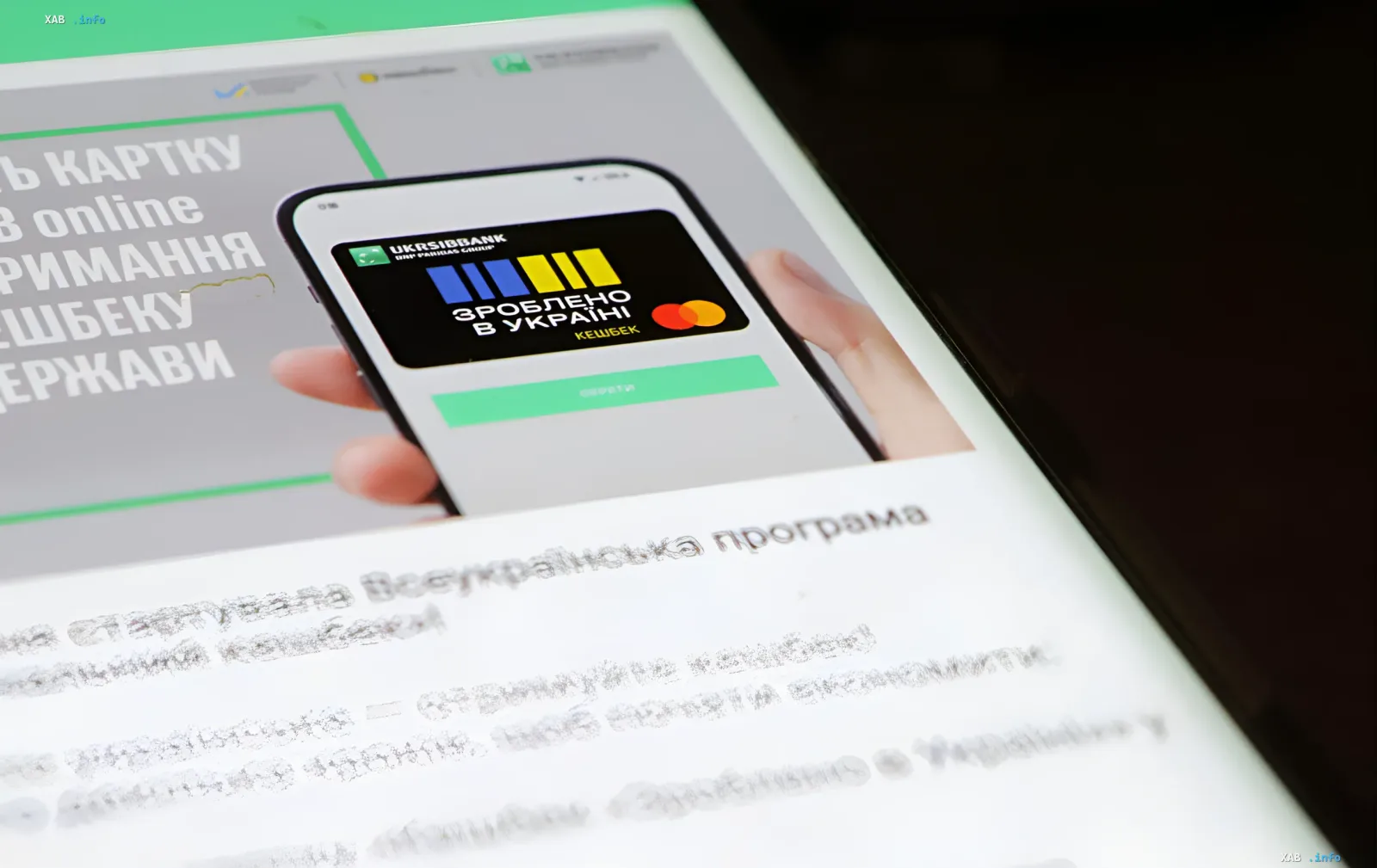
Amid the ongoing military conflict in Ukraine, the question of allocating state funds has become one of the most pressing. At the center of the debate are social and economic support programs such as the "National Cashback," fuel cashback, subsidies for railway transport, and free travel to the zone of responsibility of the Ukrainian Railways (UZ). Critics argue that such measures divert resources from mobilizing the country's internal potential. However, Minister of Economy, Environment and Agriculture, Alexey Sobolev, sees it differently.
"Business is not ready to pay market tariffs"
According to the minister, the current situation requires a flexible approach. "There is currently a discussion about railway tariffs. Is business ready to pay market tariffs for railway transport now? No, because everyone is at war, margins are small," Sobolev noted in an interview with Forbes, as cited by RBK-Ukraine.
He emphasized that many enterprises are operating with minimal profit or even at a loss due to logistical difficulties, destroyed infrastructure, and instability. Under such conditions, state support through tariff subsidies becomes not a luxury, but a necessity for preserving the economy.
Fuel Cashback — a Tool to Overcome the Crisis
The fuel cashback program, which ended on May 31, was allocated 1.5 billion hryvnias. According to the minister, it became an important tool for mitigating the consequences of the energy crisis. "Other countries reduced excise taxes, however, for Ukraine, this would have cost several times more," Sobolev explained.
Cashback allowed citizens to compensate for part of their fuel expenses, which is particularly relevant given rising prices and resource shortages. At the same time, the program was targeted and temporary, which corresponds to the principles of effective budget use.
Rising Poverty and the Need for Social Support
According to a World Bank report, the war has led to an increase in the poverty rate in Ukraine. The minister noted that although the wages of working citizens are growing faster than inflation, a significant part of the population remains unemployed or needs social assistance.
"During the war, their lives are harder. Therefore, they need help. And right now, there are no other mechanisms besides support through the budget," Sobolev emphasized. He added that it is precisely such programs as "National Cashback" that allow maintaining purchasing power and preserving demand for domestic goods.
Optimization of Winter Support
The Ministry of Economy plans to optimize the winter support program. In particular, this involves reviewing its composition and shifting the focus from direct social payments to economic instruments. For example, assistance in purchasing generators, insulating housing, and preparing for the cold.
Such an approach will not only support the population but also stimulate local business, creating additional jobs and increasing economic resilience.
"National Cashback" Extended for Another Two Years
The government has decided to extend the "National Cashback" program for another two years. Statistics show that about 70% of the accrued bonuses are spent by Ukrainians on paying utility bills. The remaining funds are directed towards transport, medicine, communication, or donations to the Armed Forces of Ukraine (AFU).
The program was created to stimulate demand for domestically produced goods and provide financial support to Ukrainian business. Thanks to it, citizens can return up to 3,000 hryvnias per month, which significantly reduces the financial burden on families.
Conclusion: Support is an Investment in the Future
Alexey Sobolev insists that budgetary support programs are not an expense, but an investment in economic stability and social justice. In wartime conditions, where traditional market mechanisms do not work, the state must take on the role of a guarantor of the survival of the population and business.
Thus, criticism of support programs is often based on an underestimation of the real scale of the crisis and the need for a comprehensive approach. Without such measures, Ukraine risks facing an even deeper economic downturn and a rise in social tension.


