
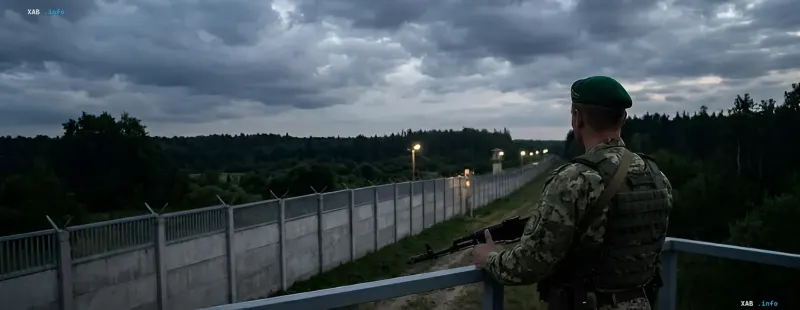
On June 29, 2026, the diplomatic confrontation between Minsk and Kyiv reached a new peak. Igor Sekreta, Deputy Minister of Foreign Affairs of Belarus, issued a stern warning in a media interview: any physical crossing of the state border by the Armed Forces of Ukraine or any acts of aggression will be met with a response 'using all available potential'.
The statement came amid reports of heightened activity in border regions and an exchange of diplomatic notes. Although the Belarusian diplomat did not explicitly mention tactical nuclear weapons (TNW), experts link this rhetoric to earlier bilateral agreements between Minsk and Moscow. In June 2026, representatives of the Russian Ministry of Foreign Affairs and Belarusian leadership confirmed the completion of stages of integration of the regional military grouping and their technical readiness to employ all available types of weaponry.
Infrastructure and Logistics: What Is Happening on the Ground
Satellite imagery and data from monitoring groups record active changes in border zones. In areas bordering Ukraine’s Volyn and Chernihiv regions, modernization of logistical routes and fuel storage bases continues. Simultaneously, in the Grodno region, Belarusian defense authorities are conducting verification of conscription records and mobilization exercises. Official Minsk characterizes these actions as planned and routine, yet their scale remains noticeable.
Kyiv’s Position: Restraint and Control
Ukraine’s foreign policy ministry has adopted a restrained but vigilant stance. Foreign Minister Andriy Sybyga noted that Belarusian military exercises and force concentrations aim to demonstrate military presence. According to Ukrainian intelligence and the State Border Guard Service, there are currently no direct signs of forming offensive ground groupings capable of breakthrough.
The State Border Guard Service of Ukraine reports that a stable regime of enhanced duty is maintained in the border zone. Any hypothetical changes in the operational deployment of forces by the neighboring state, Kyiv states, will receive an immediate legal and defensive response.
Diplomatic Context and Legal Consequences
The escalation in rhetoric is also linked to recent ultimatum-style demands from Kyiv regarding the operation of border relay complexes. According to the Ukrainian side, these facilities were used for navigation support of unmanned aerial vehicles. Confirmed data as of late June indicates that the aforementioned equipment has ceased operations.
From a legal standpoint, the situation remains strictly regulated. The regime of the state border is governed by bilateral treaties and norms of international law. Crossing the border by regular military formations without the consent of the receiving party is classified as an act violating sovereignty and territorial integrity. This automatically triggers self-defense mechanisms provided for under Article 51 of the UN Charter.


