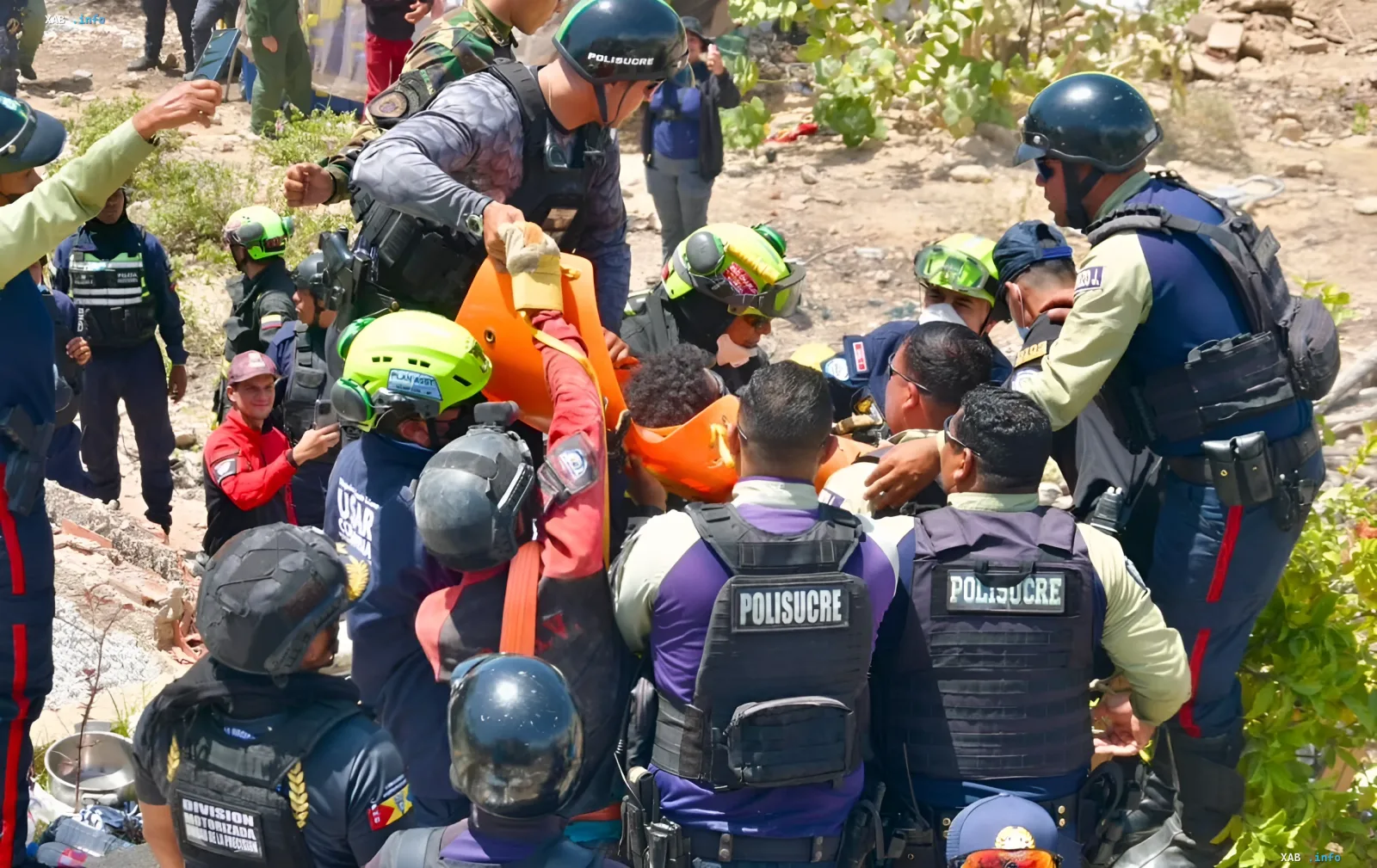
In the midst of large-scale search and rescue operations in Venezuela, an event occurred that restored hope to all participants in the mission. Colombian rescuers, who arrived to assist in the aftermath of a double earthquake, successfully extracted an 11-year-old boy alive from beneath concrete slabs.
The special operation was carried out by specialists from Colombia's National Service for Disaster Risk Management (SNGR) together with firefighters from the country's capital, Bogotá. According to the Colombian Ministry of Defense, the child was trapped under the rubble for 70 hours. The successful completion of the mission to save Moisés provided a powerful moral boost to international teams continuing to search for survivors in the ruins of destroyed cities.
Scale of the Disaster and International Aid
On the evening of June 24, Venezuela was shaken by two powerful seismic shocks with magnitudes of 7.2 and 7.5, occurring less than a minute apart. The United States Geological Survey (USGS) classified this event as the most severe natural disaster in the country's history since 1900. According to official data, this is the most catastrophic event in the last 123 years.
By June 28, the statistics of the losses remain tragic: the death toll reached 1,430 people, and the number of injured exceeded 3,200. More than three thousand families are forced to live in temporary shelters. Due to the critical destruction of infrastructure, a lack of equipment, and a huge number of missing persons, the Venezuelan government was forced to declare a state of emergency.
Rescuers' Work
Unprecedented efforts have been deployed to combat the aftermath of the earthquake. More than 1,600 foreign specialists have arrived in the country. Together with local services and volunteers, they are continuously clearing debris, hoping to find those who may still be alive. The rescue of the 11-year-old boy proved that even after three days under the rubble, chances of survival remain.


