
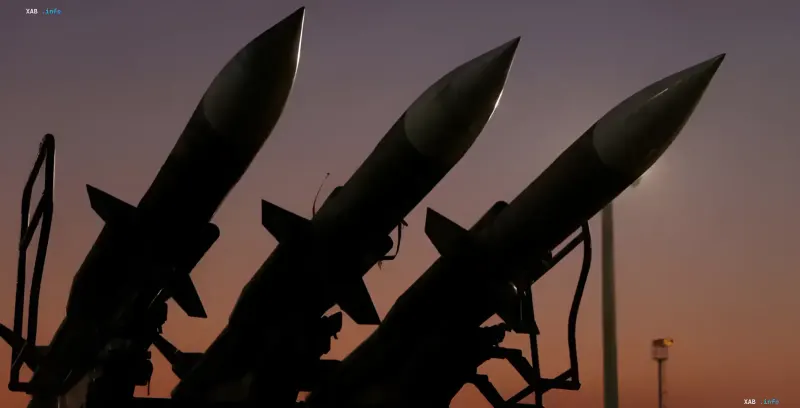
The situation in the Persian Gulf has reached a critical point. In the night of June 3, one of the largest military clashes since the ceasefire entered into force on April 8 occurred between the US and Iran. The region, a strategically vital hub of the global economy, found itself once again at the epicenter of escalation.
Course of hostilities: strikes and interceptions
The incident began with an attack by Iran. The Islamic Revolutionary Guard Corps (IRGC) launched ballistic missiles and drones against neighboring states — Kuwait and Bahrain. According to Tehran, the targets were US military bases deployed in the region.
The US retaliated immediately. American forces struck an Iranian military facility on Kish Island, located in the strategically vital Strait of Hormuz. The US Central Command (Centcom) reported the successful interception of several ballistic missiles and drones. Additionally, three Iranian drones were shot down, which, according to Washington, were fired at civilian vessels lawfully present in the region's waters.
It is important to note that the US side refuted IRGC claims that their missiles reached the US naval base in Bahrain.
Trigger for escalation: tanker attack
The immediate trigger for this new wave of violence was a US military operation conducted on June 2 near Khark Island. This island is of critical importance for Iran's oil exports. The US military attacked an unladen oil tanker attempting to enter an Iranian port, ignoring warnings and violating the maritime blockade imposed by the Americans. The vessel was disabled by a missile.
An Iranian military representative confirmed the IRGC's retaliatory strikes on the social network X. In his statement, he warned that any threat to the security of the Strait of Hormuz would cost the US military a "high price".
Political context: negotiations under threat
Hostilities are unfolding against the backdrop of stalled negotiations for a framework agreement intended to end the war and reopen the Strait of Hormuz to shipping. This artery carries exports of oil, liquefied natural gas, and fertilizers, making the situation critical for the global economy.
Iran established control over the strait shortly after the conflict involving the US and Israel began. In response, Washington imposed a maritime blockade aimed at blocking Iranian oil exports.
US President Donald Trump confirmed on Tuesday that diplomatic contacts between Washington and Tehran continue, calling reports of their complete cessation "fake news and disinformation". "Where they will lead is unknown, but I told Iran: it is time to make a deal one way or another," he wrote on his Truth Social platform.
However, Iranian agencies Fars and Tasnim, close to the IRGC, previously reported a suspension of negotiations. They linked this to the ongoing war by Israel against the Lebanese radical group Hezbollah. Despite Trump announcing a ceasefire in Lebanon on June 1, and political negotiations between Israeli and Lebanese representatives scheduled to resume in Washington on June 3, Hezbollah itself refuses to dialogue with Israel, and the Lebanese government is not a party to the conflict.


