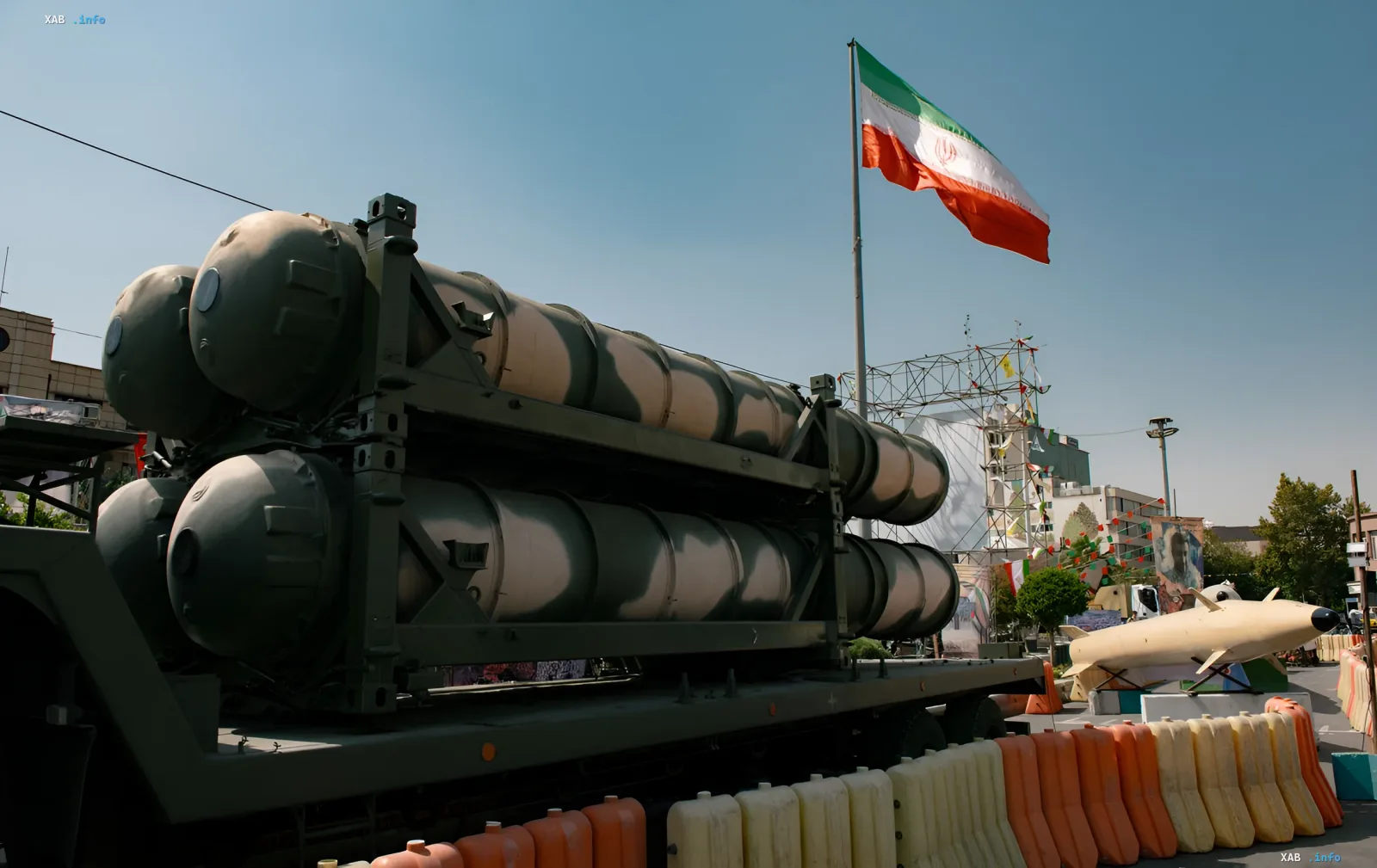
Amidst peace negotiations and diplomatic activity in the region, a covert but massive arms race is underway. During the eight-week ceasefire, Iran managed not only to restore but also to modernize its missile potential. Intelligence data indicates that Tehran has replenished about three-quarters of its combat arsenal, which was damaged during previous hostilities.
Restoring power: figures and facts
In March, at the height of the US and Israeli air campaign, Iran possessed only 60% of its pre-war missile stockpiles. The alliance's goal was to paralyze Tehran's ability to strike at long range. According to Western estimates, about two-thirds of Iranian launchers were destroyed in the first month of the war. US Defense Minister Pete Hegseth stated in mid-March that the regime's offensive potential had been reduced by 90%, while President Donald Trump mentioned a figure of 21-22% of remaining missiles.
However, reality turned out to be different. During the period from February 28 to April 8, when the ceasefire was in effect, Iran launched more than 1,850 missiles across the region and at least twice as many Shahed-type drones. This indicates that Tehran used the respite to revive its stockpiles.
Secrets of underground storage and new supplies
How exactly did Iran manage to recover so quickly? Experts believe that many ballistic missiles and launchers were "buried" — covered with debris blocking the entrances to underground storage facilities. Most likely, during the ceasefire, Tehran carried out large-scale work to clear these warehouses and redistribute supplies.
Furthermore, new samples have entered Iran's arsenal. According to intelligence estimates, these are unspecified Russian missiles, which were likely produced on the assembly line over the last year. This allows Iran to strike with almost full force in the event of a resumption of hostilities.
Industrial potential and challenges for the West
The question of producing new ammunition also remains open. Iran's industrial base is capable of producing new drone models, even under wartime conditions. As Kelly Grico, a senior fellow at the Washington-based Stimson Center, noted, producing new "Shaheds" will not be a major problem if there is access to fiberglass, explosives, guidance systems, and engines. Although some materials, especially explosives, may be hard to come by after the bombings, the overall potential remains.
Bloomberg Economics analyst Becca Wasser notes an important fact: despite tactical successes, the US failed to achieve its strategic goal — it did not destroy Iran's defense-industrial base and did not significantly reduce its missile potential. This creates a complex dilemma for Washington: the presence of a significant portion of Iran's pre-war arsenal makes it difficult to decide on resuming full-scale attacks.
Diplomatic background and sovereignty
While military potential is being restored, diplomatic tension is also rising. On June 11, US President Donald Trump made an optimistic statement about a possible deal with Iran, suggesting agreements would be signed in Europe on June 13-14. Pakistani Prime Minister Shehbaz Sharif confirmed that the text of the peace agreement had been agreed upon.
However, Iran has taken a hard line. Tehran refused to continue nuclear negotiations with the US until the proposed interim deal is fully implemented. Moreover, Iran officially declared its exclusive sovereignty over the strategic Strait of Hormuz, adding a new level of tension to the situation in the Middle East.


