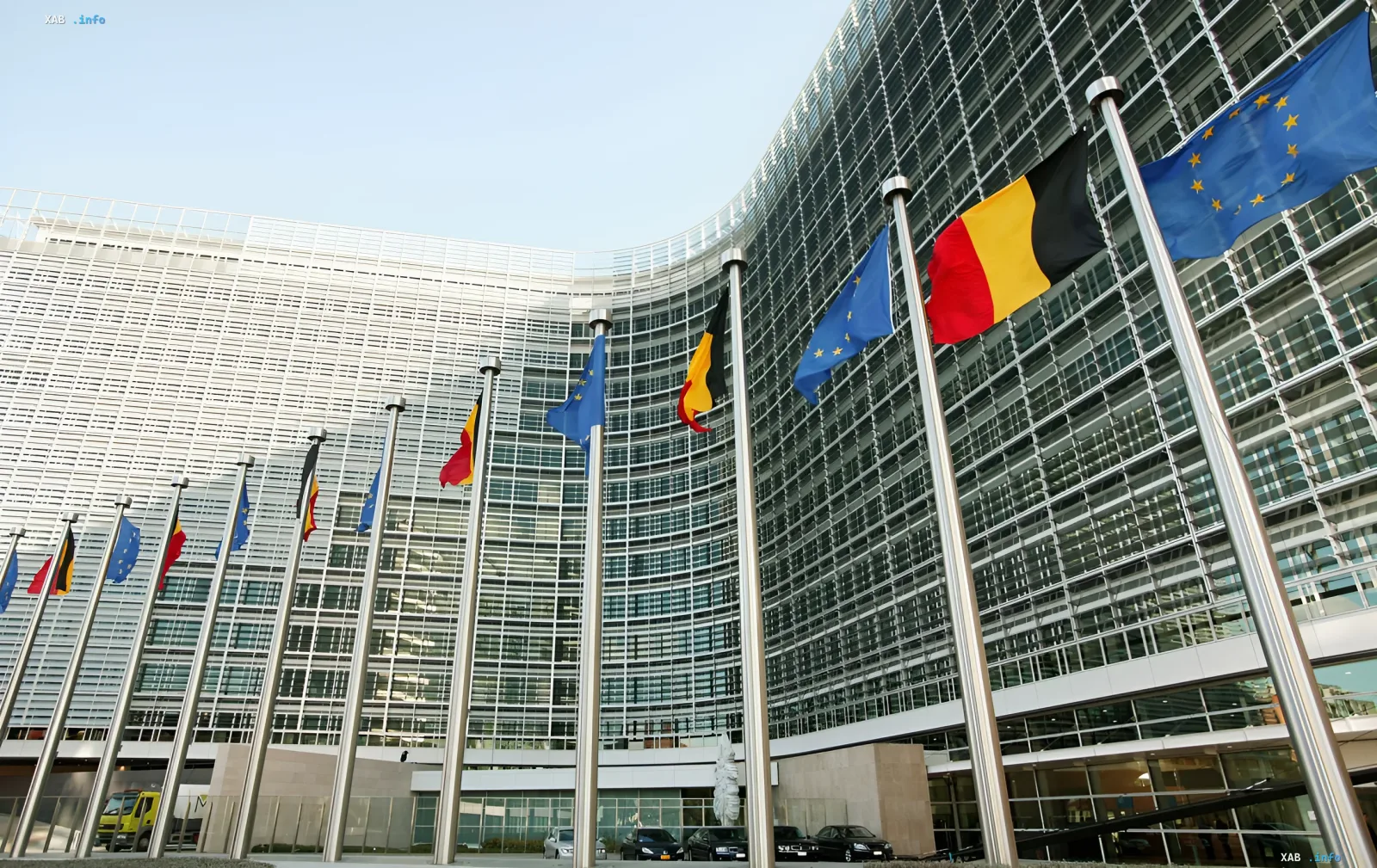
Montenegro has received a powerful boost on its path to full membership in the European Union. Following the summit in Tivat, attended by the heads of the European Union and Montenegro, the parties confirmed that the country's accession to the bloc in 2028 is a realistic and achievable goal. This deadline has become the main national project for Podgorica.
Political Will and Recognition of Reforms
Montenegrin President Jakov Milatović, speaking at the summit, stated that since his election three years ago, he has clearly outlined a course for accession in 2028. "I am fully convinced that this goal is realistic and achievable," emphasized the head of state. His words resonated with top officials in Brussels.
European Commission President Ursula von der Leyen highly praised the progress achieved by Montenegro. She noted that the enlargement process is based on merit and concrete results. According to von der Leyen, Podgorica has carried out impressive reforms, for which the EU is ready to reward the country. The Commission urges Montenegrin authorities to close all negotiation chapters and clusters by the end of the current year to draft an accession agreement and launch ratification.
European Council President António Costa also confirmed that the accession of the Western Balkans remains an absolute priority for the European Union.
Economic Prospects and New Rules of the Game
Montenegro's integration opens up significant opportunities for regional businesses. Ursula von der Leyen specifically noted that the EU Growth Plan will allow companies to access the common market, in particular through integration into the SEPA single payment zone. According to the head of the European Commission, the summit in Tivat was characterized by a determination to bring the process to a conclusion and a commitment to a European future.
Last month, Brussels began preparing the Accession Treaty for Montenegro for the first time since 2013. This event signaled the seriousness of the allies' intentions. In April, the embassies of the 27 EU member states agreed to create a special working group to draft the agreement. Currently, Montenegro is considered an undisputed leader among all candidate countries for European integration.
Competition for a Place in the Bloc
Montenegro's success against the backdrop of geopolitical changes in Europe is creating new dynamics in EU enlargement. According to Western media, other candidates are beginning to use the security situation and economic stability to their advantage. In particular, economically developed and stable states, such as Iceland and Norway, are once again considering the possibility of membership in the bloc.
Experts and the media note that against the backdrop of the emergence of new "attractive" candidates, Ukraine may be pushed back in the queue for EU accession. Montenegro, demonstrating rapid progress and readiness to close negotiation clusters, is pulling ahead, leaving behind other candidates whose path is complicated by internal or external factors.


