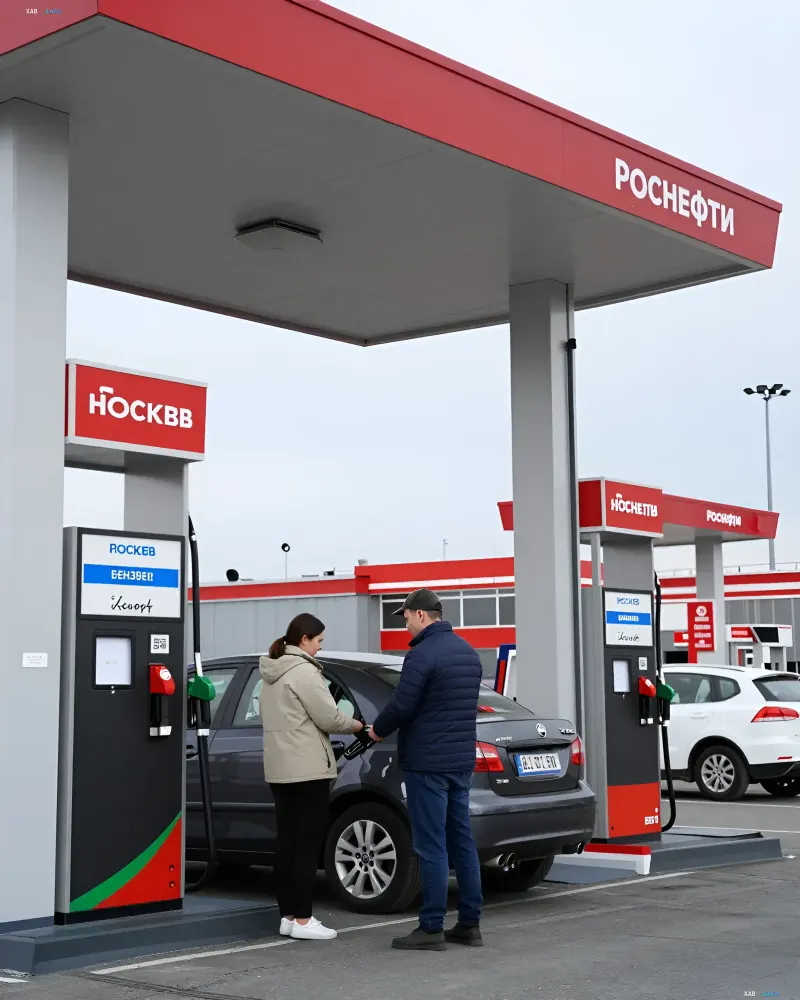
Fuel sale restrictions have been imposed at Rosneft gas stations in Moscow: no more than 50 liters of gasoline per vehicle is now permitted, with a maximum of 20 liters allowed in a canister. This is reported by journalists from MSK1, citing gas station staff. According to a cashier at one of the stations, previous gasoline sales limits had been lifted just a week ago but are now being reintroduced.
Limits return after a brief cancellation
The situation with fuel restrictions in the capital is cyclical. In June 2026, major gas station chains introduced sales limits amid shortages, and by the end of July, they began relaxing and lifting them. Now, according to MSK1, the restrictions have returned to Moscow's Rosneft stations: 50 liters per tank and one 20-liter canister per vehicle. Rosneft's hotline declined to comment on the situation, leaving the details of the decision without official confirmation from the company.
The geography of restrictions expands
Previously, it was reported that Rosneft had introduced fuel sales restrictions at its gas stations in Karelia, Buryatia, the Arkhangelsk and Penza regions, as well as the Krasnoyarsk and Zabaykalsky territories. Meanwhile, the Ministry of Economic Development of the Zabaykalsky Territory stated that the company had restricted fuel sales in all regions of the country. Thus, according to reports, the scale of the restrictions may be broader than the list of specific subjects mentioned in industry notes.
Context: attacks on oil refining capacity
According to Ukrainian and foreign publications, the return of limits in Moscow coincided with a series of strikes on oil refineries that supply the capital and the surrounding region. Specifically, it is reported that in early November, three of the four refineries supplying fuel to Moscow were hit, and on November 9, following a drone attack, the Kirishi Refinery in the Leningrad region caught fire; the Leningrad region's operational headquarters recommended imposing fuel sales limits throughout the region. Rosneft has not publicly commented on these links.
Assessment: a signal of system strain
Observers note that fuel shortages in Moscow itself are a direct indicator of systemic strain, as the capital is prioritized in resource allocation. The return of limits amid high gasoline prices increases pressure on consumers and points to the persistence of shortages in the domestic fuel market.