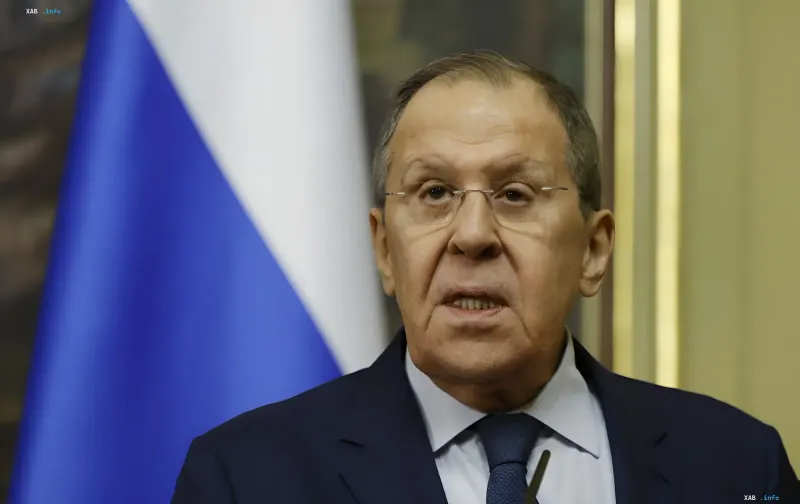
Russian Foreign Minister Sergei Lavrov has stated that Moscow categorically rejects any temporary ceasefire for holding presidential elections in Ukraine. This statement comes amid recent international discussions regarding potential ways to resolve the conflict and the conditions for holding a vote in the war-torn country.
Russian Foreign Ministry's Position and Accusations Against Kyiv
The head of the Russian foreign policy agency motivated the refusal of a truce by expressing concerns that a pause in hostilities would be used by Ukraine to acquire new batches of weapons. Traditionally criticizing the Ukrainian leadership, Lavrov accused Ukrainian President Volodymyr Zelenskyy of reluctance to hold elections and of putting forward deliberately unacceptable conditions. According to the minister, Moscow does not intend to give opponents an opportunity to regroup forces and build up military potential.
Context of Washington's Statements and Ukraine's Reaction
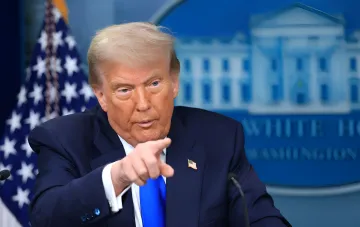
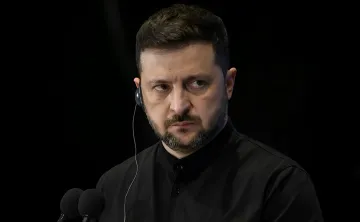
The discussion about the possibility of holding elections intensified after US President Donald Trump claimed that it was time for Ukraine to choose a new leader capable of concluding a peace agreement. In response, Volodymyr Zelenskyy outlined Kyiv's clear conditions: Ukraine is ready to organize the vote if the United States secures a full ceasefire from Russia for at least 60 days. The Ukrainian leader emphasized that the key priority in this case is ensuring the safety of voters at polling stations, while the right to determine the timing and candidates belongs exclusively to the Ukrainian people.
Kremlin's Reaction to the Truce Proposal
For its part, the Kremlin responded to the initiative with a very limited proposal, stating that Russian leader Vladimir Putin could order a temporary halt to strikes for just one day—directly on the day of the elections, if Kyiv decides to organize them. This approach demonstrates deep discrepancies in the parties' positions regarding basic security guarantees and conditions for a diplomatic settlement.
Significance of Moscow's Refusal for Settlement Prospects
The Russian leadership's refusal of a full-fledged long-term ceasefire for the sake of the electoral process effectively blocks initiatives to create safe conditions for voting in Ukraine. This circumstance narrows the field for diplomatic maneuvers by Western intermediaries and leaves the issue of political transition and holding elections amid ongoing armed confrontation in limbo.