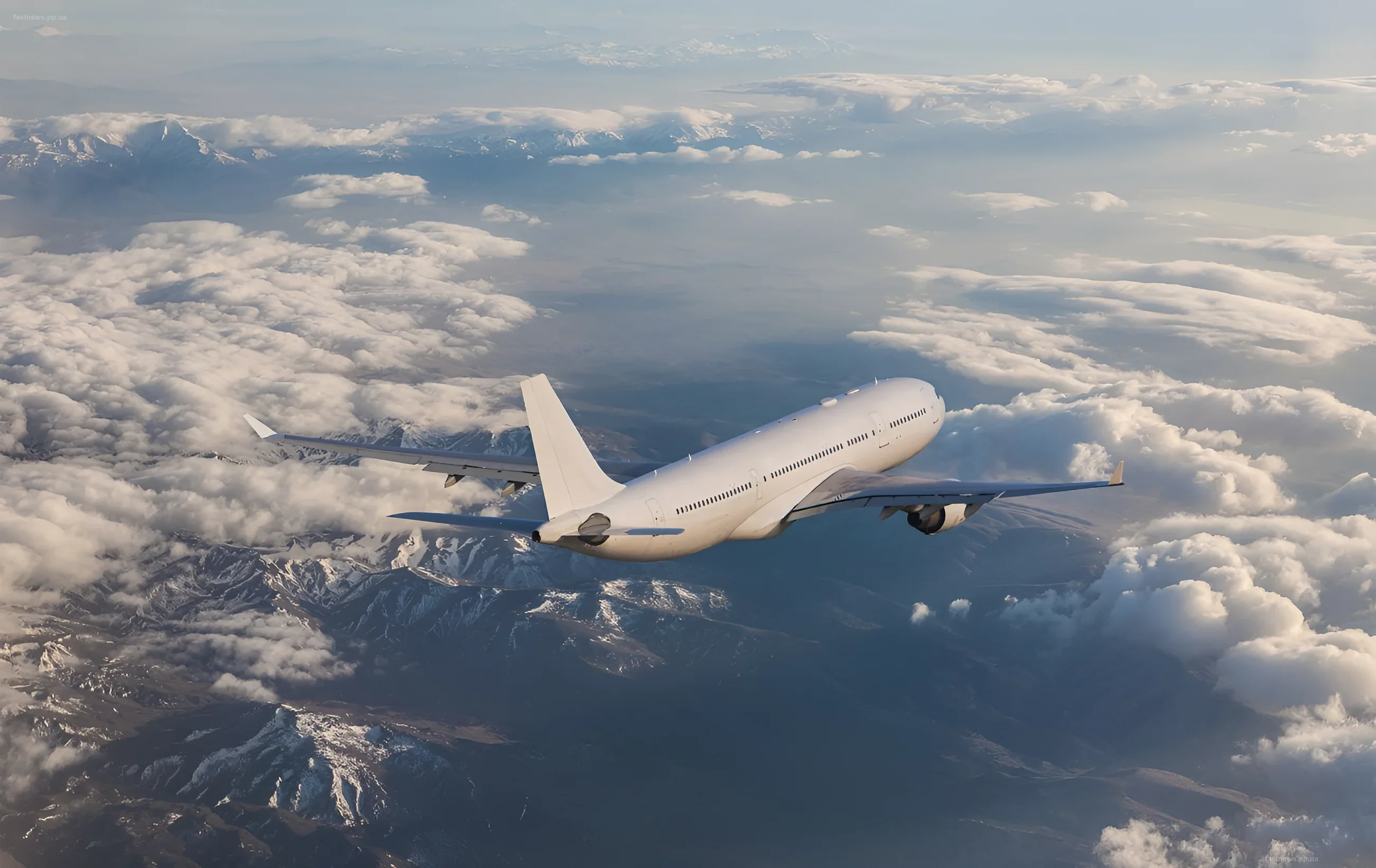
The airspace above Russia's capital and surrounding regions is entering a new phase of restrictions. Starting in June 2026, the skies over Moscow will become practically inaccessible to most civilian aircraft. This decision, dictated by military necessity, radically changes flight logistics in one of the key hubs of European aviation.
Zone of Total Control
According to data from the Interregional Public Organization of Pilots and Aircraft Owners (AOPA), prohibitive measures will be in effect from ground level up to 5,100 meters. This is a critically important range where takeoff, climb, and descent occur for most airliners.
The geography of the closed zone is staggering in scale. To the west, it reaches the border with Belarus and the airspace of St. Petersburg. To the northeast, the ban extends to Yekaterinburg, and to the east and southeast — to Samara. In effect, this creates a giant "air bubble" where civil aviation will be deprived of maneuvering freedom.
Who Gets the "Green Corridor"?
Despite the strictness of the restrictions, Russian authorities have provided for a number of exceptions to avoid completely paralyzing internal and external logistics. The ban will not apply to scheduled and charter passenger flights operating directly to and from airports. This means passengers will still be able to fly, but routes will become more complex and likely more expensive.
Specialized flights are also on the "white list":
- Medical evacuation and air ambulance services;
- Aviation-chemical operations;
- Pipeline and power line monitoring;
- Flights under government contracts.
Causes and Consequences
The decision to close the sky was made against the backdrop of escalating military tensions. On the night of May 17, Moscow and the surrounding region were subjected to one of the largest drone attacks in the history of the conflict. Ukrainian defense forces struck strategic targets: the Moscow Oil Refinery, the Solnechnogorsk fuel depot, and enterprises involved in microelectronics production for the defense industry.
The Ukrainian Security Service confirmed strikes on the Volodarskoye Refinery and the Angstrem plant, which produces semiconductors for the defense industry. These events exposed the vulnerability of the capital region and forced Russian authorities to take unprecedented measures to protect airspace, which will essentially last until the end of the war.
An official NOTAM notification detailing the restrictions is expected to be published soon, after which airlines will begin rerouting their flights to avoid collision with the new reality over central Russia.


