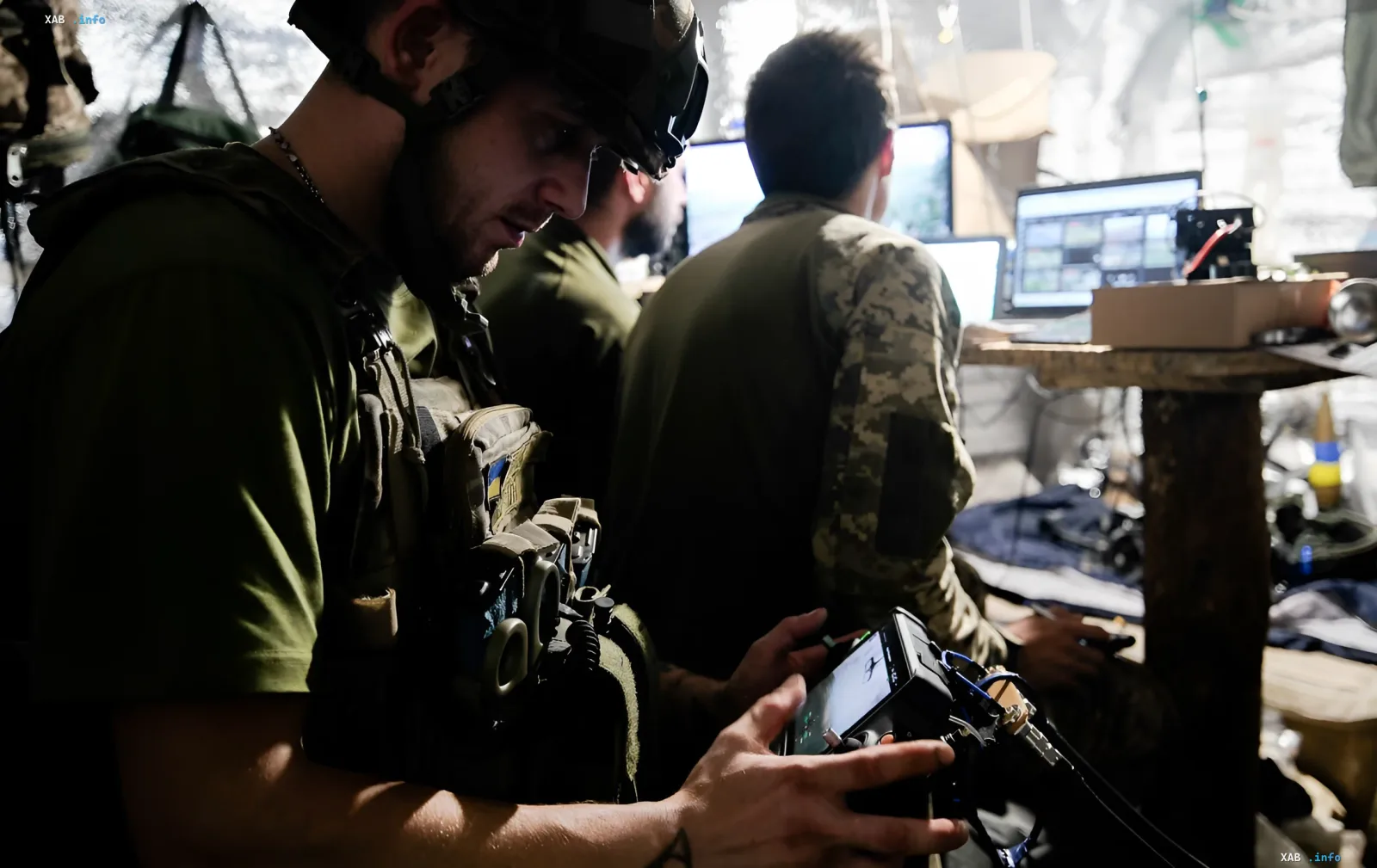
The night of June 23 became critically tense for Russian forces in Crimea. Ukrainian Unmanned Systems Forces (USF) carried out a large-scale operation, during which more than 60 key enemy rear-area targets were struck. Information about the results of the strike came from the Commander of the USF, Robert "Madjar" Brovdi, who published a report in his Telegram channel.
Attack Targets: From Air Defense to Energy Infrastructure
According to Brovdi, strikes were delivered against a wide range of targets, which he described as "colorful." The list of hit objects included:
- Air defense systems, including the Pantsir-S1 anti-aircraft missile and gun system near Bageryovo, an S-300 launch vehicle, and a ZU-23-2 anti-aircraft gun near Kurortnoye.
- Energy infrastructure facilities: the "West Crimea" substation near the village of Karyerno and the "Simferopol" gas distribution station in the village of Trudovoye.
- Military equipment and logistical transport in Crimea, as well as in the Donetsk, Luhansk, Zaporizhzhia, and Kherson regions.
- A training ground for Russian military UAV operators near Debaltseve.
The Commander of the USF also noted that the "Madjar's Birds," "Nemesis," "K-2," "Rarog," and "Raid" units continue active operations, urging the enemy to "consume worms."
Context of Escalation
The night of June 23 was not the first instance of a massive strike on the peninsula. Earlier that same night, the port of "Kavkaz" and several other military facilities were hit. As a result of the explosions, Russian authorities were forced to temporarily close traffic on the Crimean Bridge.
Attacks over the weekend also targeted gas distribution stations, oil terminals, and logistical infrastructure. These events indicate a systematic nature of strikes against the enemy's rear communications, aimed at destabilizing the functioning of the military machine in the region.


