
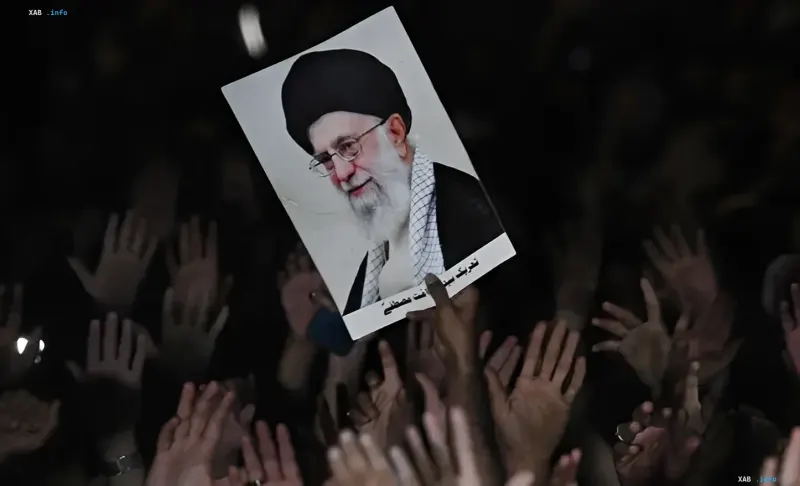
Preparations are concluding in the Islamic Republic of Iran for large-scale mourning events dedicated to the farewell of the former Supreme Leader, Ayatollah Ali Khamenei. The funeral, postponed for several months due to the escalation of conflict and security concerns, is scheduled to take place in July 2026. The ceremony will feature top officials from Russia and China, underscoring the geopolitical weight of the passing era.
Delegation Composition and Geopolitical Context
The Russian delegation will be led by Deputy Chairman of the Security Council of the Russian Federation, Dmitry Medvedev. He will represent the interests of the President of Russia at the ceremony. The Chinese side in Tehran will be represented by He Wei, Deputy Chairman of the Standing Committee of the National People's Congress (NPCSC). The level of representation from both countries demonstrates the strategic importance of Iran for Beijing and Moscow in the current international configuration.
In addition to allies from the "Global South," delegations from India, Pakistan, as well as countries from the Middle East and Central Asia are expected in Tehran. Specifically, India will be represented by the Governor of Bihar state, Syed Ata Hasnain, and Minister of External Affairs, Pabitra Margerita. A special government mission will arrive from Pakistan. The presence of heads of regional paramilitary formations cooperating with Iran is also expected.
Reasons for Delay and New Realities
Ayatollah Ali Khamenei, who led Iran for 36 years, died on February 28, 2026. The cause of death was a massive airstrike on his residence in Tehran. Initially, the funeral was postponed for more than four months. The delay was caused by the need to stabilize the situation in the region and ensure the safety of foreign guests.
Today, the leadership of Iran, headed by the new Supreme Leader Mojtaba Khamenei and President Masoud Pezeshkian, views the ceremony as a key opportunity to demonstrate the resilience of the state system. The transition of power, including the formation of the Interim Council and the approval of the new leader by the Council of Experts, was carried out in strict accordance with Article 131 of the Constitution of the Islamic Republic.
Logistics and Scale of the Event
The organizational committee has approved the schedule of mourning events for the period from July 4 to July 9, 2026. The public farewell will begin on the morning of July 4 at the Grand Mosque of Mosalla in Tehran. Mourning processions, scheduled for July 5–7, will take place not only in the capital but also in the religious center of Qom. The final burial ceremony will take place on July 9 in the Mausoleum of Imam Reza in Mashhad — the hometown of the late leader.
According to government estimates, the total number of participants in the processions in three cities could reach 20 million people. This unprecedented event will require the mobilization of the country's entire transport and logistical infrastructure.
Internal Regime and Security Measures
Preparations for receiving foreign leaders are accompanied by strict administrative measures within the country. To ensure security and the uninterrupted operation of logistics, relevant structures and the "Basij" unions have issued directives to owners of commercial enterprises, markets, and sports facilities in Tehran. They have been ordered to completely suspend operations during the mourning period under the threat of license revocation.
Official Tehran justifies these actions with exceptional security requirements. Independent monitoring groups note that such measures create a specific atmosphere in the capital during the visit of foreign delegations.


