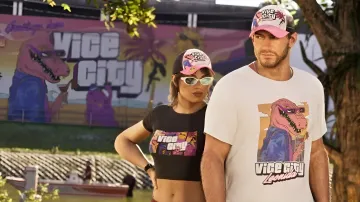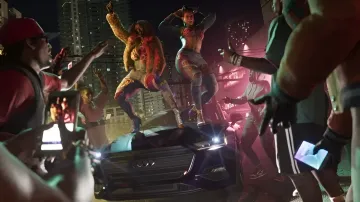
GTA: Vice City was released in 2002 (preserved as 2006 based on structure context) and instantly became one of the most influential projects in gaming history. The game is remembered not only for Tommy Vercetti's criminal adventures, but for an entire world: palm trees, the ocean, night clubs, expensive cars, bright suits, and 80s music. In Miami, created by Rockstar Games, players could spend hours driving around the city, listening to the radio, and observing the life of a resort metropolis where big money and dangerous deals hid behind luxurious shop windows. It is precisely this visual and cultural aesthetic that makes Vice City not just a game, but a kind of cinematic almanac of the era, and the film selection prepared by the Styler portal helps understand where the game got its recognizable atmosphere from.
«Scarface»: The Prototype of Miami's Criminal Empire
The story of Tony Montana, who arrives in the US from Cuba broke and full of ambition, became one of the main sources of inspiration for Rockstar Games when creating Vice City. In Brian De Palma's 1983 film, Montana initially performs tasks for local crime bosses, but quickly realizes he doesn't want to work for other people's bosses—he wants to run the criminal business himself. Thanks to cruelty, cunning, and a readiness to take risks, he climbs to the top of Miami's drug trade, and along with money, his life brings a luxurious estate, expensive cars, influential acquaintances, and increasingly dangerous enemies. The resemblance to Vice City's plot is direct: Tommy Vercetti, like Tony, strives to build his own criminal empire in Miami. The game features direct references to iconic scenes from the film, and the 80s visual aesthetic, luxurious interiors, and drug trade atmosphere make «Scarface» the most accurate choice for fans of the game.
«Miami Vice»: Cold Criminal Aesthetics
Michael Mann's 2006 film brings to the big screen the story of detectives Sonny Crockett and Ricardo Tubbs working undercover to expose an international drug trafficking network. To reach the organization's leaders, they pose as underworld figures, make dangerous acquaintances, and gradually win the trust of influential criminals. The operation turns out to be more complicated than it seemed: the heroes risk not only their careers, but their personal lives as well. Miami in this film looks almost as attractive as in the game: night roads, the ocean, expensive speedboats, clubs, and modern cars. True, instead of Vice City's bright mood, there is more tension and cold criminal aesthetics here. Notably, the original 1980s «Miami Vice» television series also belongs to the game's cultural inspirations, so the 2006 film makes a great choice for those wanting to dive back into the world of the sun-drenched city with its dark criminal side.
«Bad Boys II»: Street Action Energy
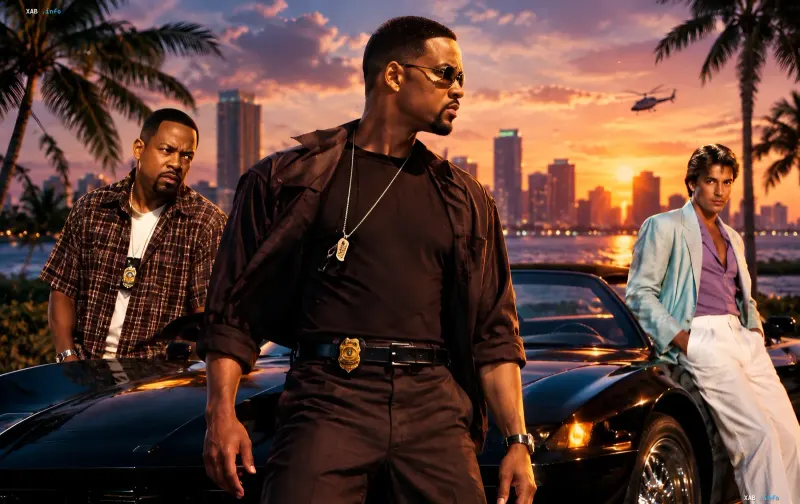
Detectives Mike Lowrey and Marcus Burnett investigate a large-scale drug trade in Miami, and the investigation leads them to an influential criminal syndicate controlling a significant portion of the local drug market. The partners have to deal with dangerous criminals, conduct risky operations, and constantly land in situations that turn a regular investigation into real action. All this is accompanied by signature jokes and numerous conflicts between the characters. «Bad Boys II» resembles Vice City in its energy: it features the Miami you want to see in the game — sunny streets, palm trees, luxurious estates, fast cars, and criminal showdowns. Car chases, shootouts, and spectacular stunts could well have been separate game missions. This is a good option for those who want not so much a serious gangster drama as dynamic cinema with the atmosphere of a major criminal adventure.
«The Infiltrator» (The Mexican context): Big Money and Asset Laundering
Events unfold in the 1980s. Federal agent Robert Mazur is tasked with infiltrating an international network linked to Pablo Escobar's drug empire. He creates the legend of a wealthy businessman allegedly ready to help criminals launder money. Gradually, the agent gains the trust of influential people, attends closed meetings, and approaches the organizers of a large-scale financial system. However, the deeper he plunges into the case, the harder it becomes to maintain his own safety. For Vice City fans, this is an opportunity to see the 80s criminal world not only from the perspective of street gangs, but through major financial deals. The movie features characteristic cars, clothing, interiors, and the atmosphere of the era in which the game takes place. Of particular interest is the theme of money laundering: in Vice City, Tommy also gradually transforms from an executor of someone else's orders into the owner of an entire business network, so the film well complements the game story from a more realistic side.
Why Exactly These Films Shape the DNA of Vice City
The Styler selection brings together films that convey the spirit of 1980s Miami differently yet equally accurately: from street brutality and the pursuit of power to financial schemes and undercover police operations. Rockstar Games consciously relied on the cultural code of the era—cinema, music, fashion, and architecture—and these very films are its most recognizable carriers. For a player who wants to better understand why Vice City looks and sounds the way it does, watching at least two or three films from the selection will not just be entertainment, but a full immersion into the context from which one of the most atmospheric projects in video game history grew.