
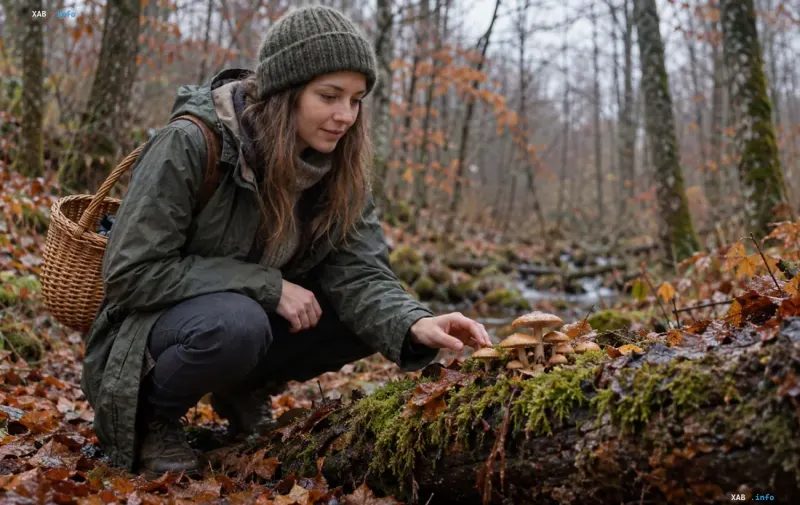
In late October, mushroom pickers often wonder if it is time to put away their baskets until next year, but there is no specific calendar date for the end of the season. The possibility of finding fresh mushrooms during this period directly depends on a complex of factors: temperature regime, precipitation levels, terrain, and the biological characteristics of individual species. Despite the general cooling, the first cold waves do not always mean the end of the "quiet hunt."
Factors affecting mycorrhizal activity
The main fruiting period for many popular mushroom species in Ukraine occurs from August to October, but according to experts, the season in some regions can last from April to November. Climatic conditions play a decisive role: warm rains stimulate growth, while sudden frosts slow down the process but do not stop it completely for all species. Scientific research confirms that the timing of the appearance of fruiting bodies is extremely variable and depends on the specifics of the ecosystems.
The mushroom diversity of late autumn
Even with a significant drop in temperature, the forest preserves conditions for the growth of certain mushrooms. Flammulina velutipes, better known as the winter mushroom or velvet shank, is a textbook example of a species adapted to cool conditions, to the point where it can even be found in winter. In addition, oyster mushrooms, porcini, chanterelles, saffron milk caps, slippery jacks, and bay boletes continue to appear in forests, although the probability of finding them after steady frosts decreases significantly.
Gathering specifics and safety measures
Mycologists note that the success of the "quiet hunt" at the end of October depends less on the calendar and more on attentiveness and knowledge of locations. Porcini and bay boletes tend to associate with certain tree species, forming mycorrhiza with oaks, beeches, and conifers. At the same time, experts emphasize the critical importance of accurate species identification: finding mushrooms on stumps or trunks, such as oyster mushrooms or woody growths, requires certainty of their edibility, as external resemblance can be deceptive.
Seasonality and expectations of mushroom pickers
The current situation with the mushroom season in 2026 confirms the thesis that nature does not follow a strict schedule. Depending on the weather, the opportunity to harvest mushrooms can persist until the very onset of the calendar winter, but the activity of mushroom pickers requires careful monitoring of humidity and air temperature. It is expected that as the soil gradually cools and deep frosts occur, the variety of available species will decrease, leaving room only for those most resistant to the cold.


