Simonetta Vespucci, whose name is inextricably linked to the Italian Renaissance and the work of Sandro Botticelli, has for centuries been considered a victim of tuberculosis. However, new scientific research has overturned this established view: the cause of her death at the age of 23 may have been entirely different — a pituitary tumor.
New Theory: From Tuberculosis to Endocrine Pathology
The traditional theory that Simonetta died of tuberculosis — a disease widespread in the 15th century — has been questioned by an international group of scientists. This conclusion was reached by researchers from Queen Mary University of London, Campus Bio-Medico University, and the University of California as early as 2019, with their work published in the journal Endocrinology, Diabetes & Metabolism.
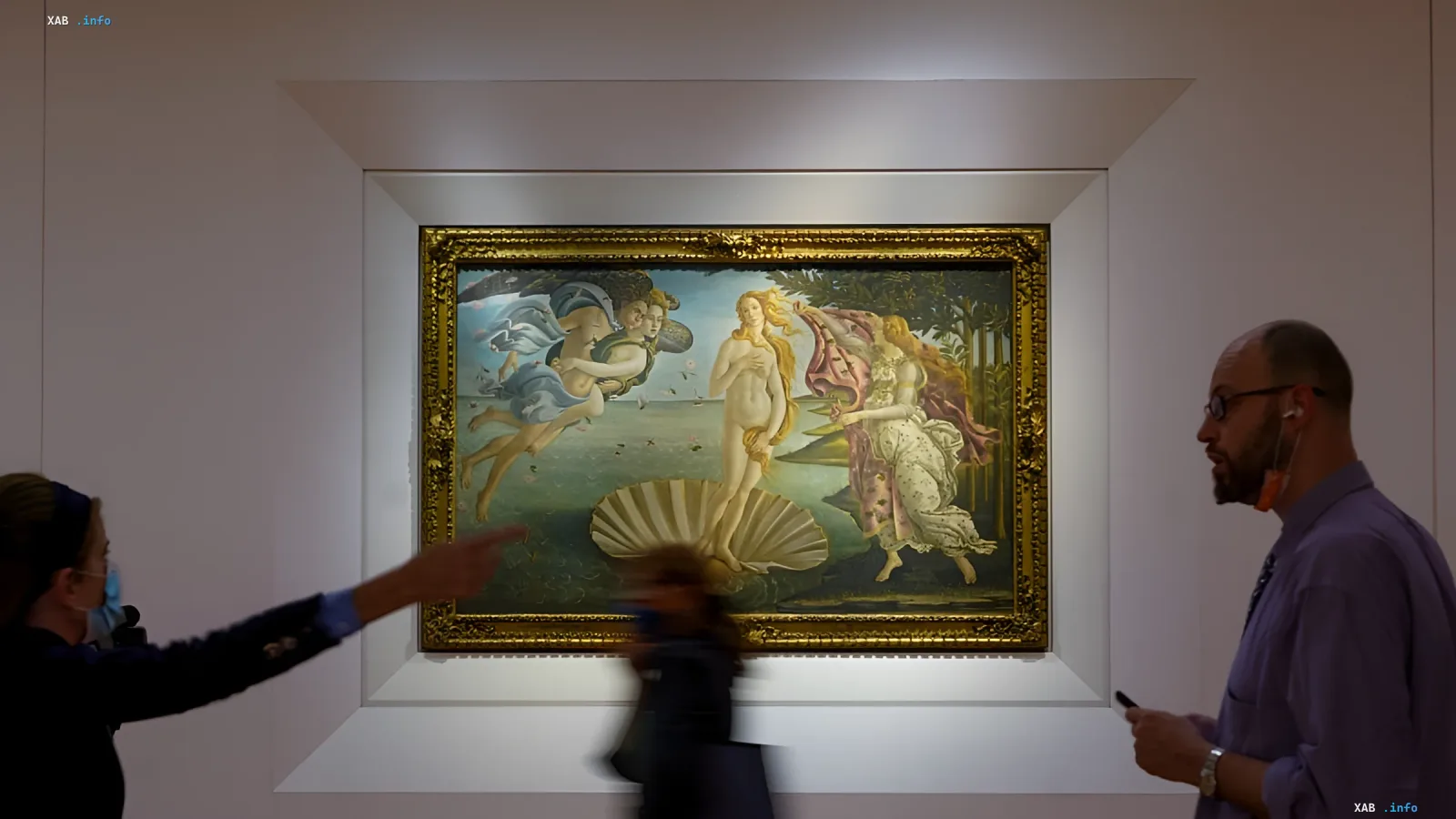
Scientists used modern analysis methods, including facial recognition algorithms applied to portraits of Vespucci created by Botticelli. Special attention was paid to the famous painting "The Birth of Venus," where, according to researchers, one can trace the gradual changes in the model's facial features.
What Did the Paintings and Documents Reveal?
According to endocrinologist Paolo Pozzilli, one of the authors of the study, subtle changes in the shape of the jaw, forehead, and soft tissues of the face are visible on Botticelli's canvases. In the scientists' opinion, these signs correspond to the symptoms of a pituitary adenoma — a tumor that produces an excess of growth hormone and prolactin.
"We hypothesized the presence of a tumor that produced both growth hormone and prolactin simultaneously. An excess of these hormones over time can alter the contours of the face, and in some cases cause unexpected lactation," noted Pozzilli.
Symptoms That Did Not Fit Tuberculosis
Historical sources report that shortly before her death, Simonetta suffered from severe headaches, hallucinations, vomiting, and high fever. According to researchers, these symptoms correspond more closely to the clinical picture of pituitary apoplexy — an acute condition arising from bleeding into a tumor or its rapid enlargement.
Correspondence between Piero Vespucci and Lorenzo de' Medici also mentions that Simonetta lost consciousness during a ball. Scientists believe this episode could have been triggered precisely by bleeding into the tumor.
Why Is This Important?
Although it is impossible to establish the exact cause of death with absolute certainty 550 years later, the new hypothesis offers a more plausible explanation for the sudden death of a young woman who was previously considered healthy. The study demonstrates how modern medical knowledge can reinterpret past events in a new light, especially when it comes to iconic figures in the history of art.
Thus, the mystery of Simonetta Vespucci's death, Botticelli's muse and a symbol of the Renaissance, remains partially unsolved, but science is taking a step towards understanding what may have happened to one of the most famous women of the Renaissance era.


