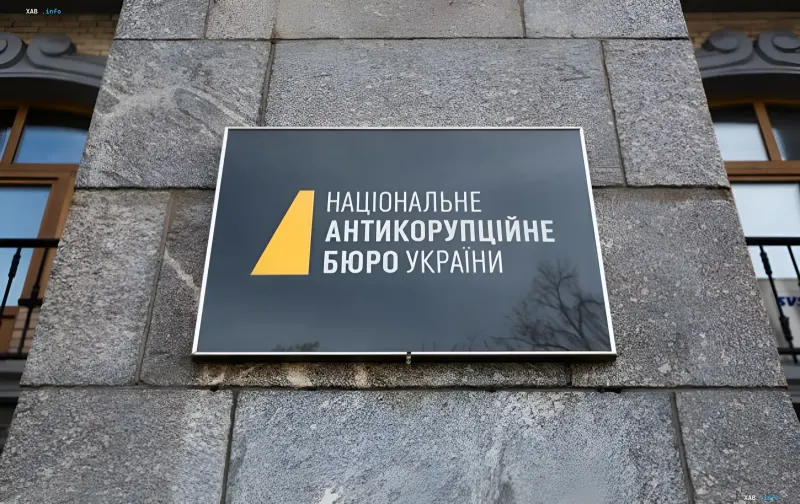
The National Anti-Corruption Bureau of Ukraine, together with the Specialized Anti-Corruption Prosecutor's Office, has sent to court a criminal case regarding large-scale embezzlement of state funds during food procurement for the Armed Forces during the full-scale war. This was reported by RBC-Ukraine, citing a statement from the NABU press service. According to the investigation, the abuse scheme was implemented in 2022–2023 in the format of so-called "kits" — package deliveries of food supplies for the army, where the price was formed not based on the actual cost of popular goods, but on an averaged indicator of the entire catalog.
How the Scheme Worked: A 409-Item Catalog and Average Price Manipulation
The investigation established that the approved catalog of food kits contained 409 items. At the same time, the most demanded positions — vegetables, cereals, meat, and water — accounted for only about 10% of the assortment, and it was these items that went to the troops in industrial volumes. The remaining catalog items, such as spices, gelatin, or berries, were ordered extremely rarely or not at all. Since the final price of the kit was calculated based on the average cost of all items, suppliers gained the opportunity to manipulate price tags: inflate prices for popular products while simultaneously lowering them for rarely used and seasonal goods — for example, cherries or apricots in the winter period. This design made it possible to formally fit into the approved catalog while actually transferring the inflated cost to the most consumed positions.
UAH 733 Million in Super-Profits: What the Examination Confirmed
As a result of the described abuses between August and December 2022, two supplier companies, which according to the investigation were controlled by a single female owner, illegally received over UAH 733 million in super-profits. These conclusions, as stated in the case materials, are confirmed by a comprehensive commodity and economic examination, which recorded a systematic discrepancy between the actual price of popular goods and their cost within the averaged kit.
Where the Money Went: Dividends and Real Estate in Croatia
The investigation established that part of the stolen funds was withdrawn through the payment of dividends and the provision of repayable financial assistance to related companies. The obtained money, according to law enforcement, could have been directed to the acquisition of hotels in Croatia and other real estate. The legality of these acquisitions is currently being checked by the investigation, and the assets themselves are considered in the context of the article on the legalization of proceeds obtained through criminal means.
Role of the Ministry of Defense Official
According to NABU, an official of the Ministry of Defense of Ukraine was involved in organizing the crime. According to the case materials, when signing supply contracts, the official knowingly ignored obvious price anomalies in the kit catalogs, which allowed the scheme to function for several months. It is this person who appears in the case as an accomplice who provided administrative support for the inflated procurement.
Investigation and UAH 788 Million Saved
The pre-trial investigation was launched in January 2023. Against the backdrop of high-profile media scandals — in particular, publications about the procurement of eggs at UAH 17 per piece — the participants in the scheme reduced prices for the 11 most popular products. According to the investigation's estimate, this made it possible to save UAH 788 million from the state budget, which otherwise would have been stolen at previously operating inflated prices.
Who Was Notified of Suspicion and Under Which Articles
Following NABU's exposure of the facts of embezzlement in food procurement for the AFU, suspicion was reported to the former head of the Ministry of Defense department, the owner of related supplier companies, two heads of supplier companies, and one individual. The actions of the defendants are classified under Part 5 of Article 191 (embezzlement), Part 2 of Article 15 combined with Part 5 of Article 191 (attempted embezzlement), and Part 3 of Article 209 (legalization of proceeds obtained by criminal means) of the Criminal Code of Ukraine. Sending the case to court concludes the pre-trial investigation stage and opens the path to trial proceedings.