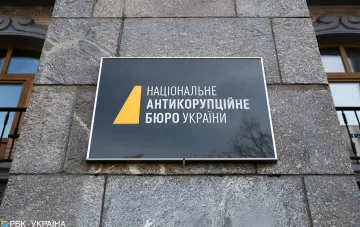
The National Anti-Corruption Bureau and the Specialized Anti-Corruption Prosecutor's Office have completed the exposure of a large-scale scheme for misappropriating funds allocated to deliver 60 metro cars to the capital, which were transferred to Kyiv by the Warsaw Metro on a gratuitous basis. According to the investigation, the members of the criminal group misappropriated 137.5 million hryvnias out of 190 million declared as the cost of transport and forwarding services, through a chain of sham tenders and offshore companies. Six suspects, including current employees of the Kyiv Metro, have been notified of suspicion in committing a crime under Part 5 of Article 191 of the Criminal Code of Ukraine.
From Warsaw's Free Gift to Inflated Tenders
The scheme began to take shape at the end of 2022, when the Warsaw Metro decided to transfer 60 metro cars to Kyiv free of charge. To organize the delivery to the Ukrainian capital, the municipal enterprise "Kyiv Metro" conducted a series of tenders in 2023 for the procurement of transport and forwarding services. However, as the investigation established, the winner of the bidding was a pre-determined sham company that offered to carry out the work at a significantly inflated cost — totaling 190 million hryvnias. The actual cost of the logistics operations, according to the investigation's estimates, was considerably lower than the declared amount.
The Mechanism for Diverting and Misappropriating Funds
After 190 million hryvnias were transferred to the account of the tender winner, the organizers of the scheme moved the funds to the settlement account of another controlled firm registered abroad, in order to make tracking the financial flows more difficult. Subsequently, the actual carrier, which physically transported the cars from Poland, was paid only part of the sum. The remaining 137.5 million hryvnias were misappropriated by the members of the criminal group for their own benefit, thereby carrying out an embezzlement scheme on an especially large scale.
Who Are the Suspects in the Case
In the course of the investigation, the investigative authorities notified six individuals of suspicion. Among them are one former official and three current employees of the "Kyiv Metro" who directly participated in organizing and conducting the tender procedures; two co-organizers of the crime who were responsible for creating sham structures and diverting funds; as well as the director of a controlled company through which the financial flows passed. The actions of all the suspects are classified under Part 5 of Article 191 of the Criminal Code of Ukraine — misappropriation, embezzlement of property, or acquisition of it through abuse of office, committed on an especially large scale.
Context: A Series of Anti-Corruption Exposures
The investigation into the embezzlement of funds for the transport of metro cars has become part of the systematic work of NABU and SAP to uncover corruption schemes in the sphere of state and municipal enterprises. Previously, the same agencies exposed a scheme for the misappropriation of "Ukrnafta" petroleum products worth over 2.88 billion hryvnias, in which approximately 100,000 tons of product was diverted through controlled companies. In addition, investigators dismantled the activities of a criminal organization that systematically received bribes from fraudulent call centers and laundered illegally obtained assets worth millions of hryvnias. Each of these cases demonstrates a persistent practice of using tender mechanisms and sham companies to siphon off budgetary and corporate funds.
The Significance of the Case for Kyiv's Infrastructure
The metro cars transferred by Warsaw were needed to renew the rolling stock of the "Kyiv Metro," which, amid ongoing challenges, requires modernization. The exposure of the embezzlement scheme for their transport underscores the vulnerability of municipal enterprises' procurement procedures and the need to strengthen internal controls. For the passengers of the capital's metro, who use the underground services daily, such cases serve as a reminder that transparency in infrastructure management directly affects the quality and accessibility of transport services.