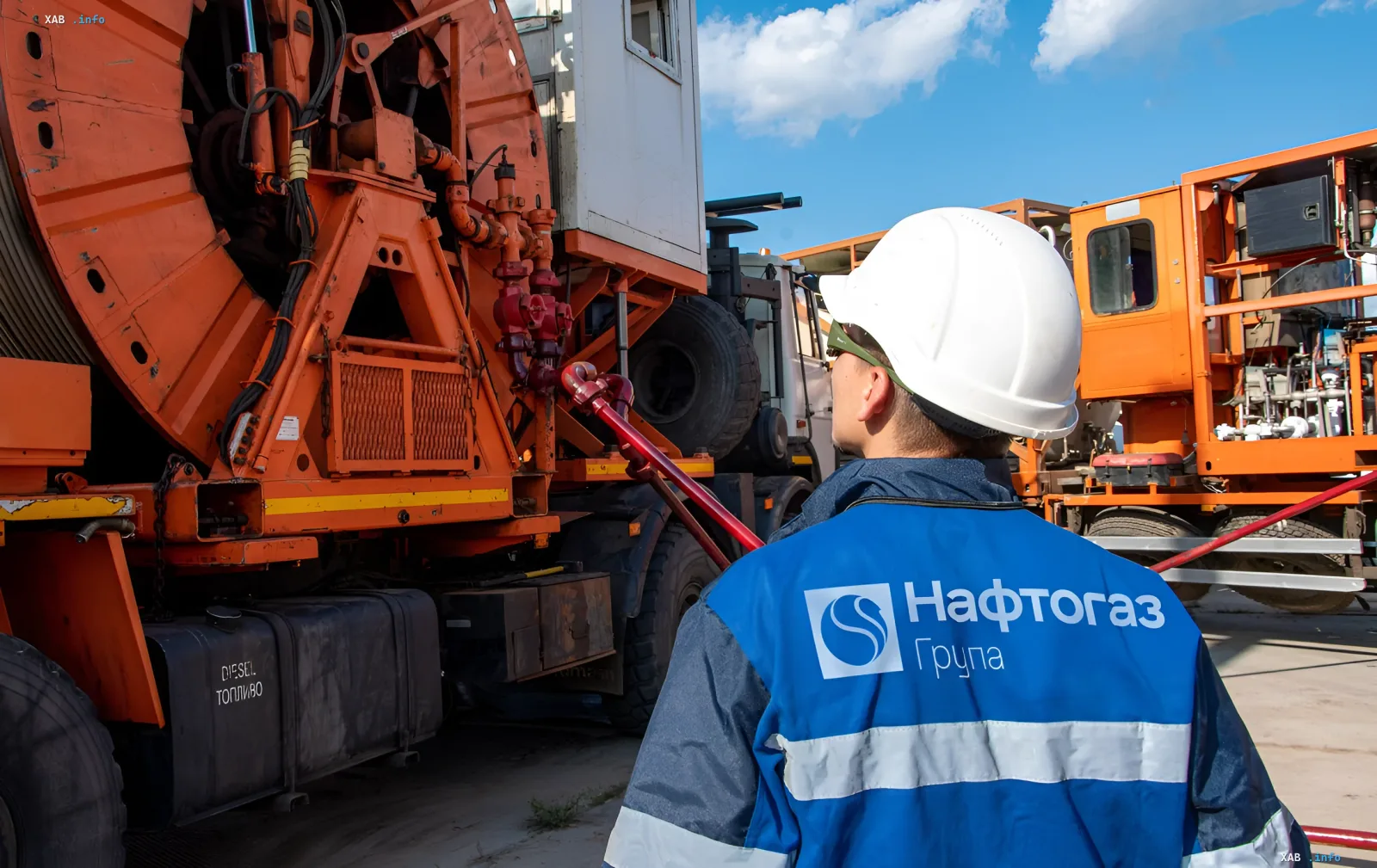
Ukrainian energy is taking a decisive step towards independence from traditional supply routes. The Naftogaz Group has, for the first time in its history, independently booked long-term capacity at a European liquefied natural gas (LNG) terminal. This decision radically changes the company's approach to import planning and strengthens the country's energy shield.
Strategic Contract Until 2044
According to information provided by the company's press service, this involves gaining access to the infrastructure of the largest Baltic terminal in Klaipeda (Lithuania). The agreement covers a significant period — from 2033 to 2044. The capacity allocation operator was KN Energies.
Naftogaz has entered an elite club of five participants who have obtained the right to long-term use of the facility. The list of partners at the terminal includes energy market giants such as Equinor, Ignitis, Latvenergo, and Gasum. For the Ukrainian company, this is the first case of direct capacity booking without the intermediation of international partners, opening new horizons for work in the global LNG market.
Significance for Energy Security
Experts and company management emphasize that this step is of fundamental importance for diversifying sources and routes of natural gas supplies. In conditions where traditional gas pipeline routes may be vulnerable, direct access to an LNG terminal becomes a guarantee of stability.
Sergey Koretzky, Chairman of the Board of the State Concern Naftogaz of Ukraine, stated that such decisions expand access to the global market and strengthen the long-term sustainability of the country's gas supply. Direct booking allows the company to plan logistics and supply volumes more flexibly for decades to come.
Background of the Energy Crisis
The news of the conclusion of a long-term contract comes against the backdrop of a difficult situation in the Ukrainian gas industry. Earlier, in May, there were reports of serious damage to Naftogaz gas production facilities caused by attacks. Due to the loss of domestic production, Ukraine was forced to compensate for the gas deficit through imports.
Under these conditions, securing capacity in Klaipeda becomes not just a commercial deal, but a strategic necessity to ensure uninterrupted supply to consumers in the future.


