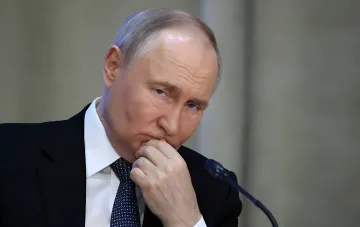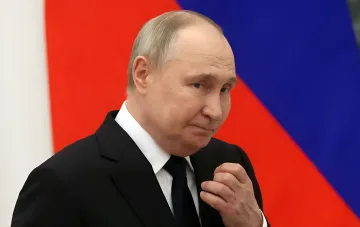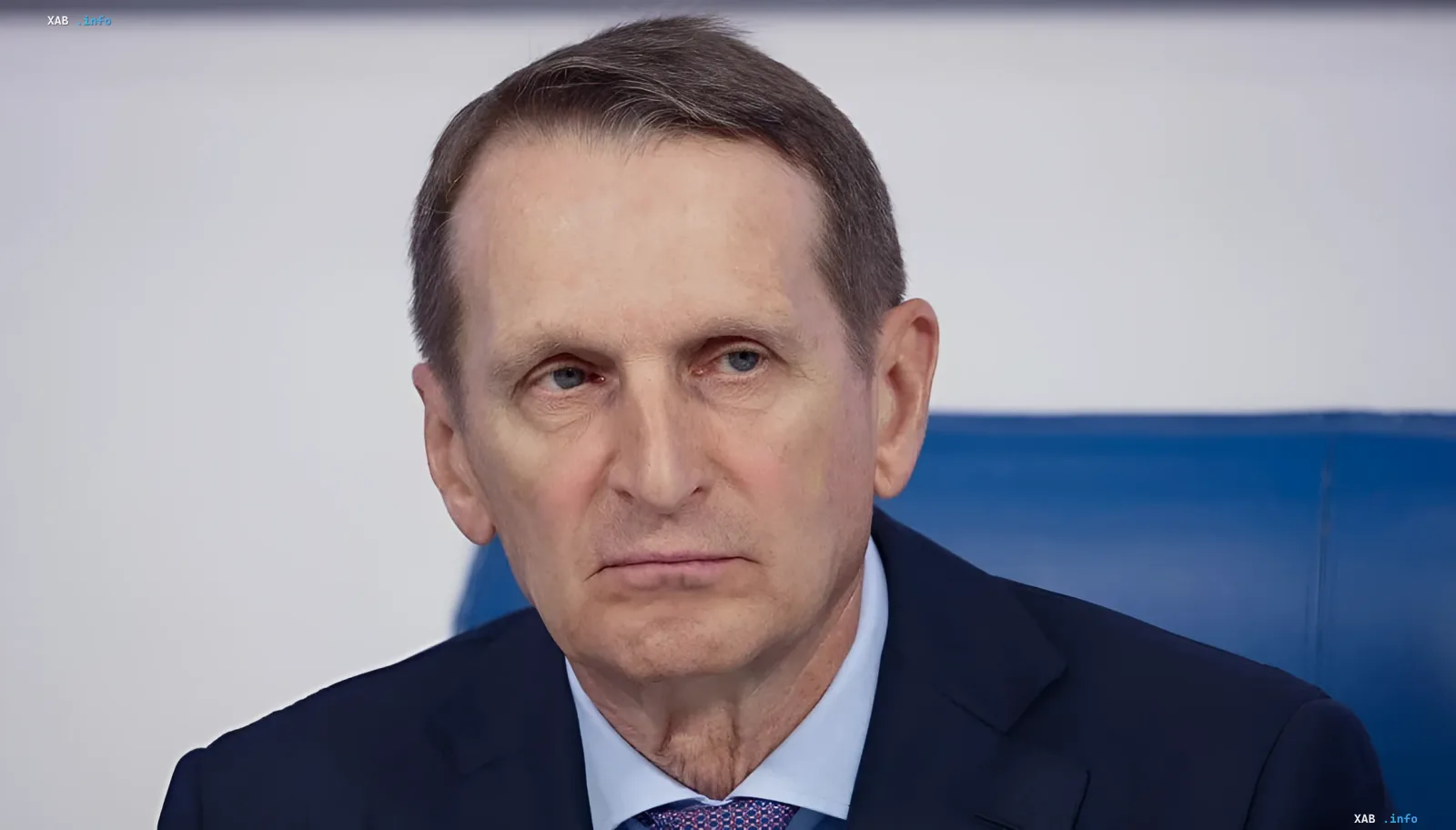
On the morning of August 27, 2026, the Director of the Russian Foreign Intelligence Service (SVR), Sergey Naryshkin, officially confirmed that he had held a closed in-person meeting with the Director of the U.S. Central Intelligence Agency, John Ratcliffe, in Moscow. According to him, the two sides discussed "matters falling within the competence of intelligence services," and he described the format as "working routine" and "ordinary practice." Donald Trump adopted similar restrained rhetoric the day before, calling his appointee's visit "partly routine," while Kremlin spokesperson Dmitry Peskov clarified that the mission was of a strictly inter-agency nature and that a personal meeting between Ratcliffe and Vladimir Putin neither took place nor was planned.
Chronicle of the Secret Flight: How Ratcliffe Ended Up at Vnukovo
According to aviation tracking systems and American media, a heavy U.S. Air Force military transport aircraft, a Boeing C-17A Globemaster III carrying Ratcliffe on board, landed at Moscow's Vnukovo Airport on the morning of Tuesday, August 25. The American entourage spent several hours in the Russian capital, after which the plane took off for Riga. This is the first confirmed visit to Moscow by a sitting CIA Director since the similar trip by William Burns in November 2021 — on the eve of Russia's full-scale invasion of Ukraine.
Behind the "Routine" — Geopolitical Red Lines
Behind the protocol phrases about "delicate matters within the competence of intelligence services," according to sources at CBS News and The Wall Street Journal, lie key decision points. Ratcliffe's main task, as Western outlets claim, was to directly convey Washington's hardline position: the United States will not allow an expansion of hybrid provocations and military escalation against NATO's eastern flank, first and foremost the Baltic states. Direct contact between intelligence services has traditionally been used by the White House to deliver non-public warnings without the courtesies of diplomacy.
Trump's Peace Track and the Middle East Knot
John Ratcliffe is a key security advisor to President Trump, and his arrival is synchronized with the shuttle diplomacy of the White House's special envoys. According to analysts, intelligence was probing the Kremlin's actual readiness to freeze the conflict in Ukraine and was reconciling the parties' unofficial terms, avoiding leaks through classic diplomatic channels. A separate item on the agenda was the Middle East: against the backdrop of growing military-technical cooperation between Moscow and Tehran, Washington is seeking to limit the transfer of sensitive military technologies to Russia and to discuss the safety of shipping in the Strait of Hormuz.
Contradictory Data
There is a notable gap in the interpretation of the nature of the visit between the official statements of the parties and the assessments of Western media. Naryshkin, Trump, and Peskov unanimously reduce the meeting to "routine" and "ordinary practice," refusing to disclose details. At the same time, CBS News and The Wall Street Journal describe the talks as a discussion of "red lines" along the Russia–NATO axis, peace initiatives on Ukraine, and the Iranian knot — that is, as a strategic rather than a formal contact. Moreover, the sources do not agree on the duration of the visit: some publications speak of "several hours," others of "four to five hours." The Russian side has publicly neither confirmed nor refuted the specific topics named by Western outlets.
Key Takeaway: Restoring the Crisis Communication Channel
Despite the public downplaying of the format, the talks between Naryshkin and Ratcliffe represent the de facto restoration of a working crisis communication channel between Moscow and Washington. The intelligence services of the two nuclear superpowers are once again building a direct dialogue to prevent an uncontrolled collision and to prepare the outlines of future behind-the-scenes agreements, even against the backdrop of ongoing escalation at the front.