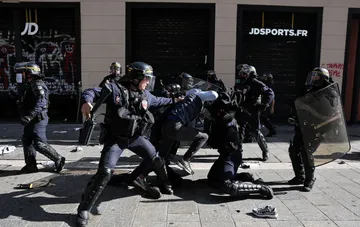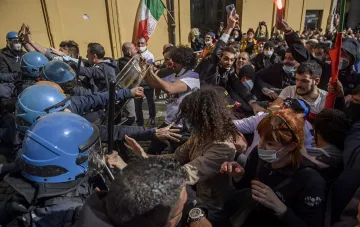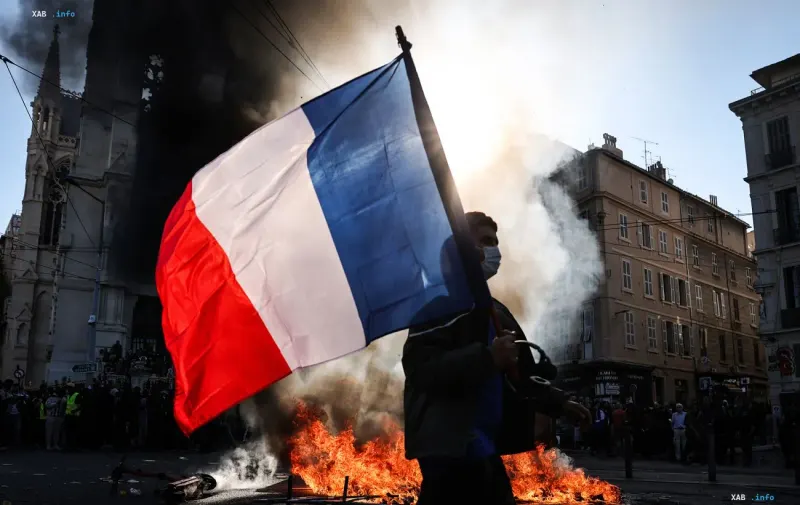
On October 24, large-scale nationwide protests erupted across France, encompassing both the capital and other major cities. According to official data, the total number of protest participants exceeded 400,000, with about 110,000 demonstrators taking to the streets in Paris alone. While the capital's march was relatively peaceful and monitored by the prefecture, the situation in the regions rapidly escalated into violent clashes with police, looting, and the use of riot control equipment.
Paris March and Political Reactions
In the French capital, the demonstration followed the route approved by the prefecture, despite preliminary demands from labor unions to adjust it. The Paris prefecture recorded about 110,000 participants in the central rally. Jean-Luc Mélenchon, leader of the left-wing La France Insoumise party, personally joined the march, describing it as the largest demonstration since the movement began and praising the high discipline of the gathered citizens.
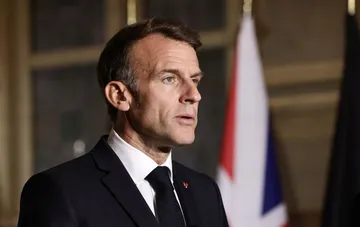
However, behind the facade of peaceful capital protests lay radical demands directed at the country's leadership. Earlier reports indicated that participants in the mass movement are openly demanding the resignation of French President Emmanuel Macron. Recent sociological and political trends show that public discontent with the authorities' socio-economic course has reached a critical tipping point, uniting diverse segments of the population.
Regional Escalation and Tough Police Response
A completely different scenario unfolded outside Paris, where the situation became extremely tense. Serious clashes between protesters and law enforcement officers broke out in Lyon, Nice, Lille, Toulouse, and Nantes. In Lille, demonstrators began throwing various objects at law enforcement officers, prompting the police to respond with tear gas and water cannons.
Similar measures were deployed in Nantes, where the situation was compounded by acts of looting, specifically the robbery of a jewelry store. On the eve of these events, Interior Minister Laurent Nuñez adopted a hardline stance, stating that the state will no longer tolerate any forms of violence and gross violations of public order by radical groups.
Context and Future Outlook
The escalation of tension in French cities occurs against the backdrop of a prolonged socio-economic and political crisis fueled by regular strikes and protests from various sectors of society. Analysts note that the Ministry of the Interior's uncompromising stance and the protesters' determination to assert their demands create a high degree of turbulence in the country.
The events of October 24 highlighted a deep divide between Paris's official course and grassroots sentiment. The further development of the situation will largely depend on the authorities' ability to find a compromise with trade unions and millions of citizens who continue to express their disagreement with current government policies.